
Dead Sea Mud Melt And Pour Soap Recipe

Okay, so you're thinking about making soap. Not just any soap, mind you, but fancy-pants, good-for-your-skin, makes-you-feel-like-you're-at-a-spa soap. Specifically, Dead Sea Mud melt and pour soap. Sounds intimidating, right? Like something only a sophisticated artisan with a dedicated soap-making studio could pull off. Wrong! I, a person whose cooking skills peak at boiling water without burning it (usually), managed to make this. And you can too. Seriously.
The whole "melt and pour" thing is genius. It's like baking a cake from a box. You're not grinding your own flour or milking your own cow, you're taking advantage of someone else's hard work to create something lovely. In this case, someone else has already done the saponifying (look it up, it's a scary word), and all you have to do is melt it, mix in some goodies, and pour it. Easy peasy.
Gathering Your Supplies (Or: My Kitchen Looked Like a Mad Scientist's Lab)
First, you need your base. This is the "melt" part of the equation. You can find melt and pour soap bases everywhere online and in craft stores. Goat milk, shea butter, clear... the possibilities are endless. I went with a clear base because I wanted the Dead Sea Mud to really shine. (Spoiler alert: it did, in a murky, earthy, "I swear I'm cleansing your pores" kind of way.)
Must Read
Next, the star of the show: the Dead Sea Mud. I ordered mine online. When the package arrived, I half expected it to be glowing. It wasn't. It was just... mud. But fancy mud! Mud sourced from the actual Dead Sea, which apparently makes all the difference. I imagined Cleopatra herself slathering this stuff on, feeling all regal and radiant. I, however, felt more like I was preparing a particularly gloopy mud pie.
Then come the extras. Essential oils are your friends here. I chose lavender because, well, who doesn't love lavender? Plus, it masks the slightly... earthy aroma of the mud. A few drops of vitamin E oil are also a nice touch, because why not? It feels fancy and good for your skin.

Finally, molds! You can use anything from silicone muffin tins to fancy soap molds shaped like seashells. I opted for simple rectangular molds because I'm all about that minimalist aesthetic (even though my kitchen was anything but minimalist at this point).
The Melting and Mixing (Or: How I Almost Made a Soap Volcano)
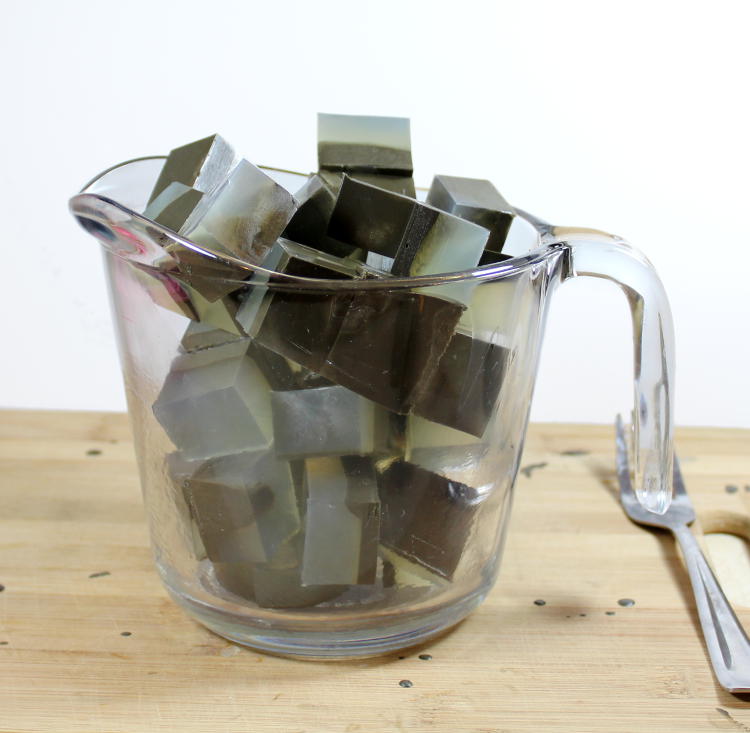
Melting the soap base is surprisingly therapeutic. Just chop it up into small cubes and microwave it in 30-second intervals, stirring in between. Watch closely! You don't want to overheat it and create a soap volcano. Trust me, cleaning up melted soap is not fun. It's sticky, it's slippery, and it smells like... well, soap.
Once the base is melted, the real fun begins. Add your Dead Sea Mud, essential oils, and vitamin E oil. Stir, stir, stir until everything is nicely combined. This is where things can get a little messy. The mud tends to clump, so you might need to put some elbow grease into it. But don't worry, you'll get there. Just remember to channel your inner Cleopatra and imagine you're whipping up a magical beauty potion.
Pouring and Setting (Or: Patience is a Virtue, Especially When Soap is Involved)
Now comes the moment of truth: pouring the soap into the molds. This is where you can really get creative. You can swirl different colors together, add dried flowers, or even embed small toys in the soap (if you're making it for kids, of course). I kept it simple and just poured the mud-colored mixture into the molds.
Then comes the hardest part: waiting. You need to let the soap set completely before you can unmold it. This usually takes a few hours, or even overnight. I put mine in the refrigerator to speed up the process. And then I spent the next few hours peeking at them every 15 minutes, like a kid waiting for Christmas morning.
The Grand Reveal (Or: My Soap Actually Looks Like Soap!)
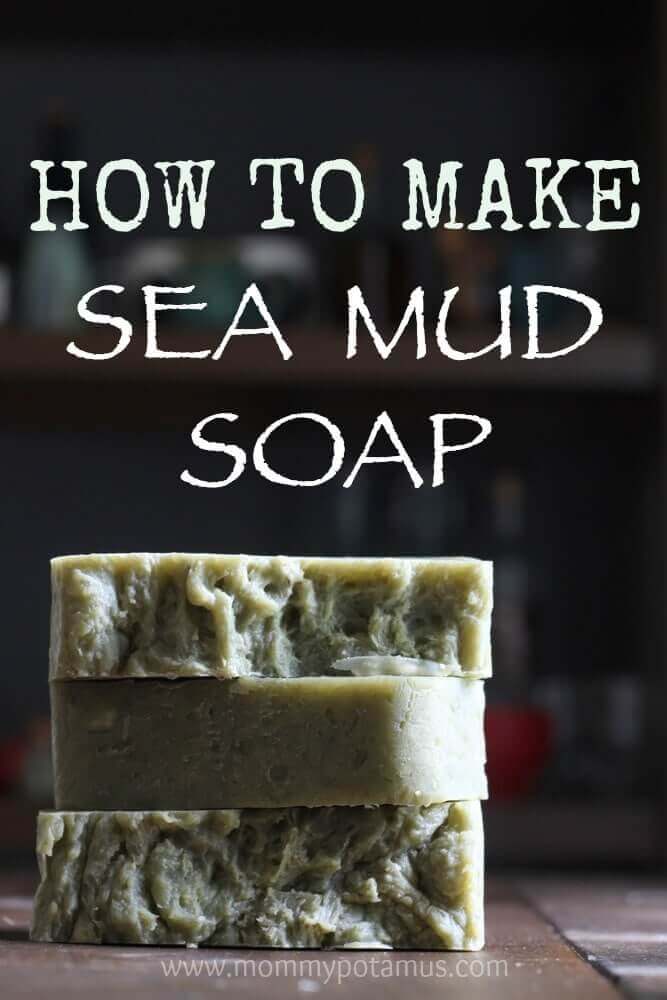
Finally, the moment arrived. I gently popped the soap out of the molds, and... they actually looked like soap! Muddy, earthy, slightly lumpy soap, but soap nonetheless. I felt a surge of pride. I had created something from scratch! (Well, mostly from scratch. But still!) I even felt a little bit like Cleopatra, albeit a slightly more clumsy and less regal version.
And the best part? The soap actually works! It lathers nicely, it smells amazing (thanks, lavender!), and it leaves my skin feeling clean and refreshed. I've even started giving it away as gifts. My friends and family are now convinced that I'm some kind of soap-making guru. Little do they know, the Dead Sea Mud did most of the work.
So, go ahead, give it a try. Make your own Dead Sea Mud melt and pour soap. It's easier than you think, it's surprisingly fun, and you might just surprise yourself with what you can create.
