Ah, Daylight Saving Time. Just saying those words can bring a little ripple of confusion, a chuckle, or maybe even a groan. It’s that curious time-shifting dance we do every year. But here’s the big question that always pops up: when it comes to Daylight Saving, do we actually lose an hour, or do we gain one?
Well, buckle up, because the answer is delightfully simple and a bit of a trick all at once. It’s both! Depending on the season, we either say goodbye to a precious 60 minutes or welcome an extra one with open arms. It’s like a seasonal time magic trick, playing hide-and-seek with our clocks.
The Great Spring Forward: A Time Heist!
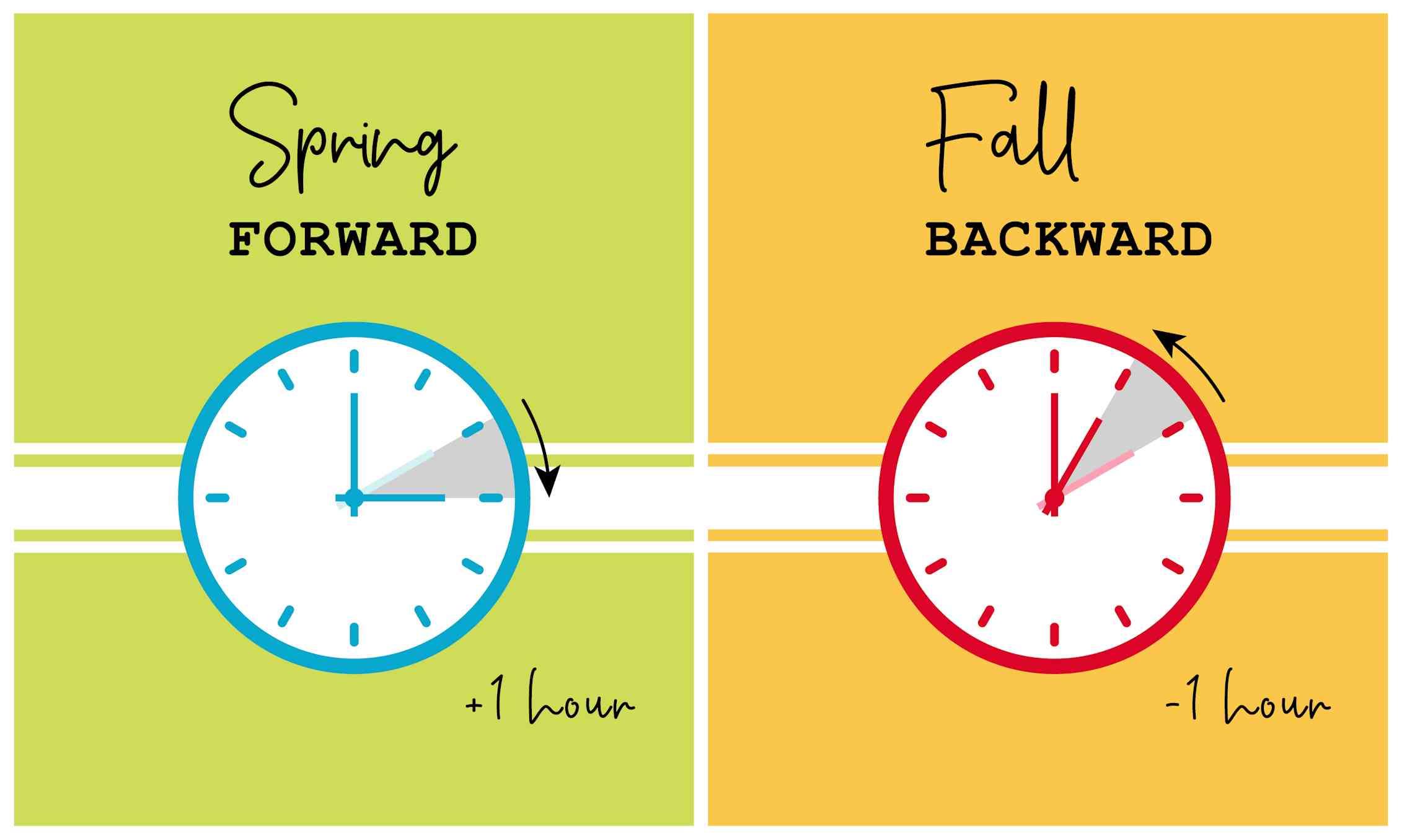
Let’s talk about the first big moment of the year: the infamous Spring Forward. This is when the clocks leap ahead, usually in March. Imagine this: you go to bed on a Saturday night, clocks set just right. You wake up on Sunday morning, and suddenly, an hour has vanished into thin air!
Poof! Just like that. It’s a collective experience of losing an hour of sleep. Many of us feel it the next day, dragging our feet just a little. That first Monday after the change can feel like a real uphill battle, powered by extra coffee and sheer willpower.
The alarm clock rings, and you think, "Wait, did I really sleep enough?" Nope! Your body knows something is up.
But why do we do this seemingly cruel act to ourselves? It’s all in the name of sunshine, my friend! By pushing the clock forward, we “save” daylight for the evenings. Suddenly, it’s still bright at 7 PM, perfect for a walk, gardening, or just enjoying a little more light before dusk.
This shift makes our evenings feel longer and brighter. It’s like the universe is giving us a gentle nudge to get outside and enjoy the expanding daylight. The trade-off for that lost hour of sleep is often perceived as worth it for those lovely long, light evenings.
A Little Bit of Calendar Chaos
This spring transition always sparks a bit of chat. People compare notes on how tired they feel. They joke about their pets being confused by the feeding schedule. It's a shared moment of mild, temporary discombobulation that brings us all together in a funny way.
Springing forward into daylight saving time is a step back for health
It creates a funny, relatable struggle that everyone understands. The shared experience of being slightly off-kilter is oddly comforting. It reminds us that we're all in this time-traveling adventure together.
The Glorious Fall Back: A Time Gift!
Now, let’s pivot to the other side of the calendar, the delightful Fall Back. This usually happens in November. If Spring Forward is a time heist, Fall Back is absolutely a generous gift!
Again, you go to sleep on a Saturday night. But this time, when you wake up, your clock has magically rewound itself. You’ve gained an extra hour! It’s like finding a bonus sixty minutes tucked under your pillow.
That feeling of waking up and realizing you have an extra hour of sleep? Pure bliss!
For many, this is the highlight of the Daylight Saving cycle. An extra hour to sleep in, an extra hour for that leisurely Sunday breakfast, or just an extra hour to do absolutely nothing. It’s a little slice of unexpected luxury.
While the evenings start to get darker much earlier after this change, the immediate gratification of that extra hour of rest is palpable. It’s a cozy feeling, a gentle easing into the darker, colder months of winter.
Daylight Savings 2025: Time Change & Key Facts
The Joy of the Bonus Hour
The Fall Back moment is often met with widespread cheer. Social media fills with happy posts about the extra sleep. People feel refreshed, even if it's just for a day. It’s a little treat that makes the shorter daylight hours feel a bit more bearable.
It's fascinating how a simple clock adjustment can create such distinct feelings. The spring brings a sleepy grumble, while the fall brings a collective sigh of contentment. It’s a very human reaction to the flow of time.
The Entertainment Factor: Why We Love to Talk About It
So, why does this annual time change spark so much conversation and mild drama? It's simple: it messes with our routines! Humans are creatures of habit, and anything that shakes up our sleep, meal times, or favorite TV show schedule is bound to get attention.
The jokes about forgetting to change clocks are endless. The memes about tired parents or confused pets pop up every year without fail. It’s a shared cultural touchstone, a little bit of predictable chaos that unites us all.
It's the only time of year you can truly say you've traveled through time just by staying in bed!
When is Daylight Saving Time 2024? Do we lose or gain an hour? Start
This annual ritual becomes a kind of collective performance art. We all play our part, grumbling in the spring, cheering in the fall, and constantly debating whether we should keep doing it at all. It’s a unique feature of our modern lives.
The sheer act of needing to remember to adjust clocks—or hoping our phones do it automatically—adds a layer of low-stakes excitement. Did I get it right? Is my oven clock still wrong? These small mysteries are part of the fun.
The Bigger Picture: A Quirky Tradition
Daylight Saving Time isn't just about losing or gaining an hour. It's about a fascinating human experiment with time itself. It’s a quirky tradition that has been around for ages, with its own history and reasons, though we won't dive deep into those today.
What makes it special is how it makes us collectively aware of time. We usually take hours and minutes for granted. But twice a year, we're forced to actively think about them, to adjust them, and to feel their immediate impact.
A Shared Experience Across Borders
While not every country participates, many parts of the world do this time dance. This means millions of people around the globe are simultaneously shifting their schedules. It's a massive, synchronized event that affects daily life in a subtle yet profound way.
Think about it: from farmers to city dwellers, from students to retirees, everyone experiences this subtle shift. It’s a quiet, invisible thread connecting us all through the calendar year, a shared rhythm.
Do You Lose An Hour During Daylight Savings at Edna Mondragon blog
So, Do We Lose Or Gain? The Final Word
To sum it all up, when people ask if we lose or gain an hour with Daylight Saving, you can confidently say: "It depends on the season!" You lose an hour in the spring when you Spring Forward, and you gain an hour in the fall when you Fall Back.
It’s a temporary borrowing and returning of time. It's never truly lost or gained permanently in the grand scheme of things, just shifted around for our collective benefit (or sometimes, collective confusion!).
Why It's Worth Noticing
Next time those dates roll around, instead of just letting it happen, take a moment to notice it. Feel that extra sluggishness in the spring, or savor that bonus hour in the fall.
Pay attention to the conversations it sparks, the memes it inspires, and the little ways it tweaks your routine. It's more than just a clock change; it’s a fascinating annual event that makes us all think a little differently about the precious hours in our day.
Embrace the quirkiness! It's a reminder that even something as rigid as time can be bent and shaped by human will. So, enjoy the ride, whether you’re losing an hour or gaining one, and marvel at this strange, wonderful annual tradition.
It’s a little bit of magic, a little bit of mayhem, and a whole lot of conversation. And isn't that what makes life interesting?