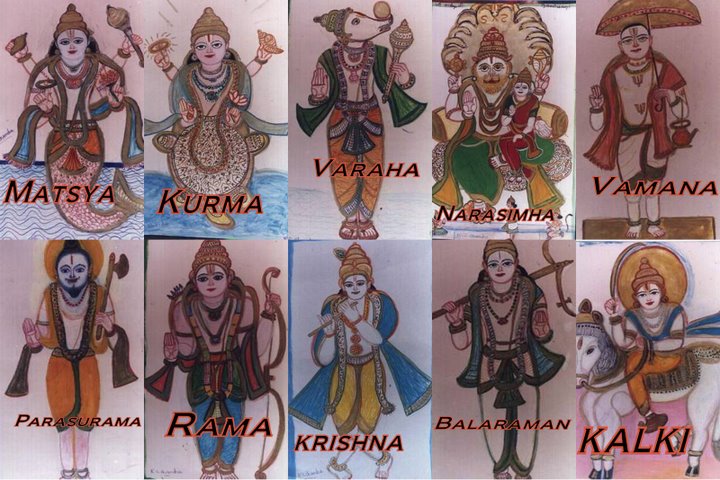
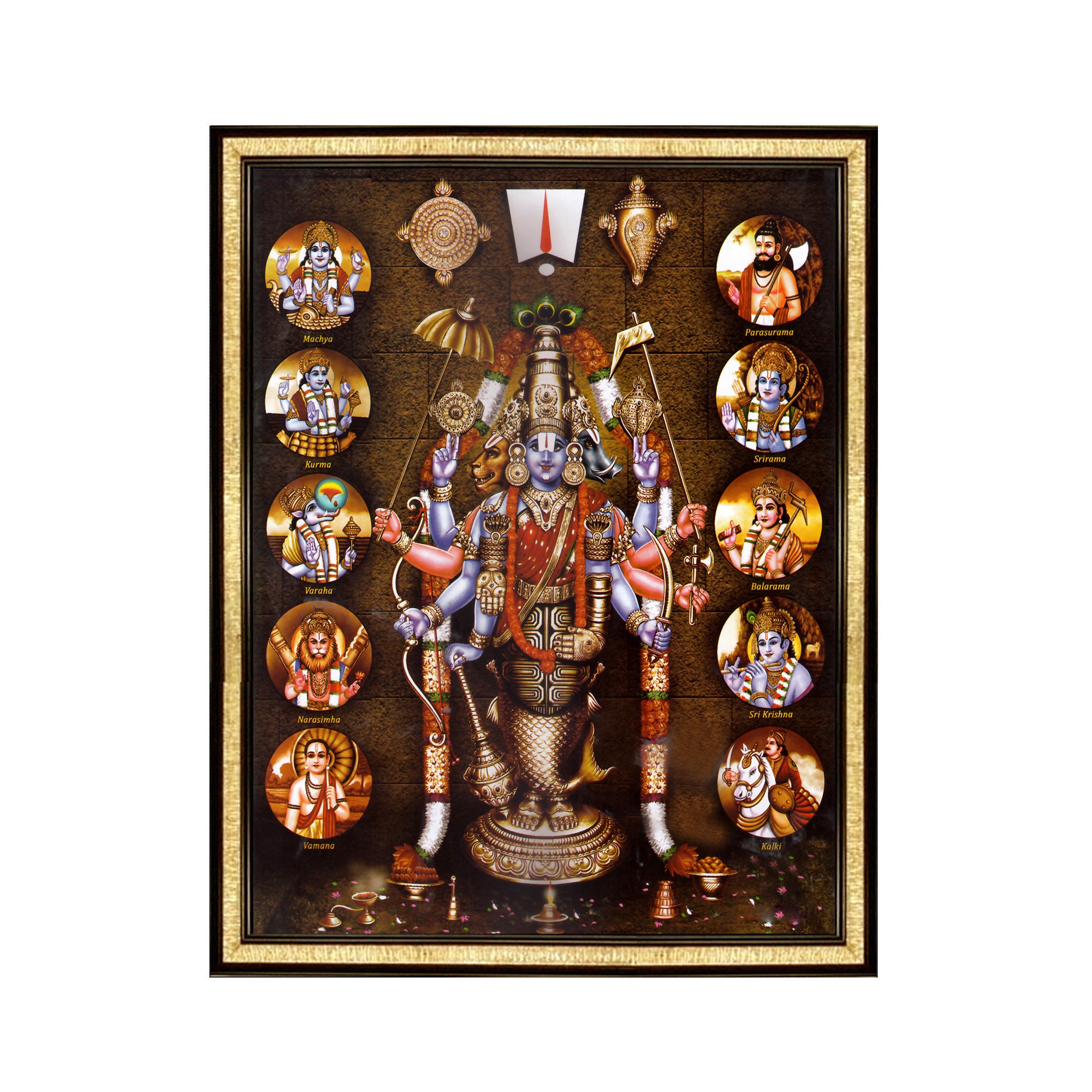
Dasavatharam Images With Names In Tamil
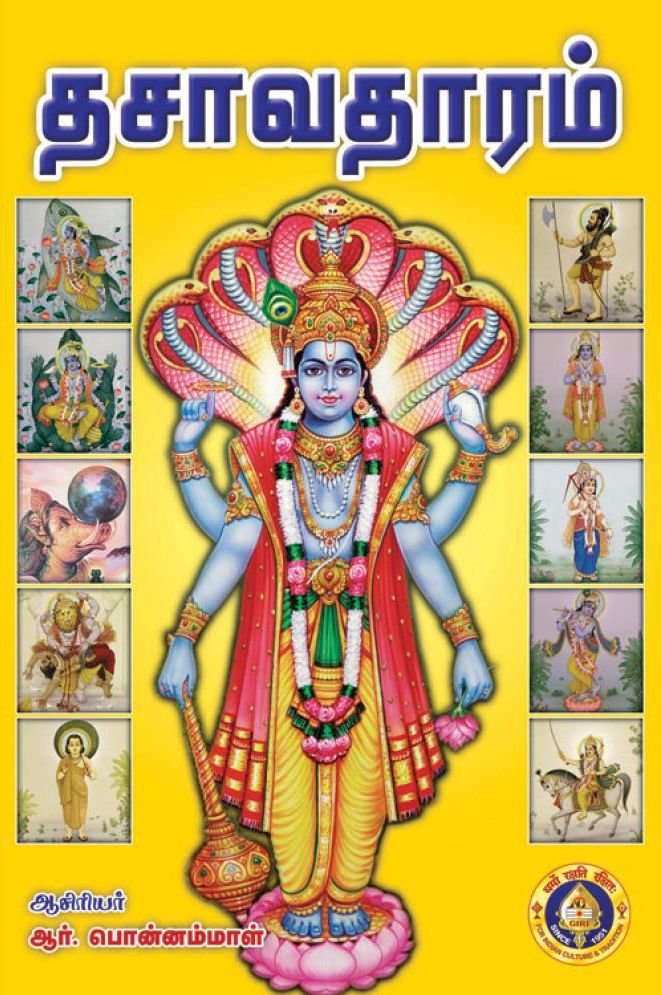
Ever found yourself scrolling through vibrant images of mythical beings, each a unique and powerful avatar? There's something undeniably captivating about the ten incarnations of Vishnu, the Dasavatharam. Whether it's the artistry of the depictions or the profound stories they represent, exploring Dasavatharam images, especially those accompanied by their names in Tamil, offers a rich cultural and spiritual experience.
So, why do people enjoy this so much? For many, it's a connection to their heritage. Seeing the images and reading the names in Tamil evokes a sense of belonging and reminds them of stories passed down through generations. For others, it's about the sheer visual beauty and the artistic interpretations of these ancient narratives. And for still others, it's a way to explore the deeper philosophical meanings embedded within each avatar.
The benefits extend beyond mere enjoyment. Understanding the Dasavatharam provides valuable insights into Hindu philosophy. Each avatar represents a specific stage in the evolution of life and the triumph of good over evil. From Matsya, the fish who saves the world from a great flood, to Kalki, the future avatar who will restore righteousness, each story offers a moral lesson and guidance on navigating the challenges of everyday life. By reflecting on these stories, we can gain a better understanding of concepts like dharma (righteousness), karma (action and consequence), and the importance of maintaining balance in our lives.
Must Read
Common examples of how this knowledge is applied are numerous. You might see Dasavatharam images in temples, calendars, and even popular movies. Families often use these stories to teach children about their culture and values. You might even find individuals using the imagery as a source of inspiration for art, literature, or personal reflection. The depiction of Narasimha, the half-man, half-lion avatar, tearing apart the demon Hiranyakashipu, for example, can serve as a powerful symbol of overcoming inner demons and fighting for justice.
So, how can you enjoy exploring Dasavatharam images with names in Tamil more effectively? Firstly, focus on understanding the stories behind each avatar. Don't just look at the image; read about the circumstances of their birth, their purpose, and the lessons they teach. There are numerous online resources and books available that can help you delve deeper. Secondly, pay attention to the details in the artwork. Notice the symbolism in the postures, weapons, and surroundings. These details often hold significant meaning and contribute to a richer understanding of the avatar. Thirdly, practice pronouncing the names correctly in Tamil. Hearing and speaking the names helps to connect you more deeply to the cultural context and adds another layer to your appreciation. Look for audio pronunciations online or ask a native Tamil speaker for guidance. Finally, consider reflecting on how the lessons of each avatar can be applied to your own life. How can you emulate their courage, compassion, or wisdom in your daily interactions? This deeper engagement will transform your appreciation from mere aesthetic enjoyment to a truly meaningful and transformative experience. Understanding Dasavatharam isn’t just about memorizing names and forms; it’s about grasping the eternal principles they represent.