Darkest Legal Tint In Texas
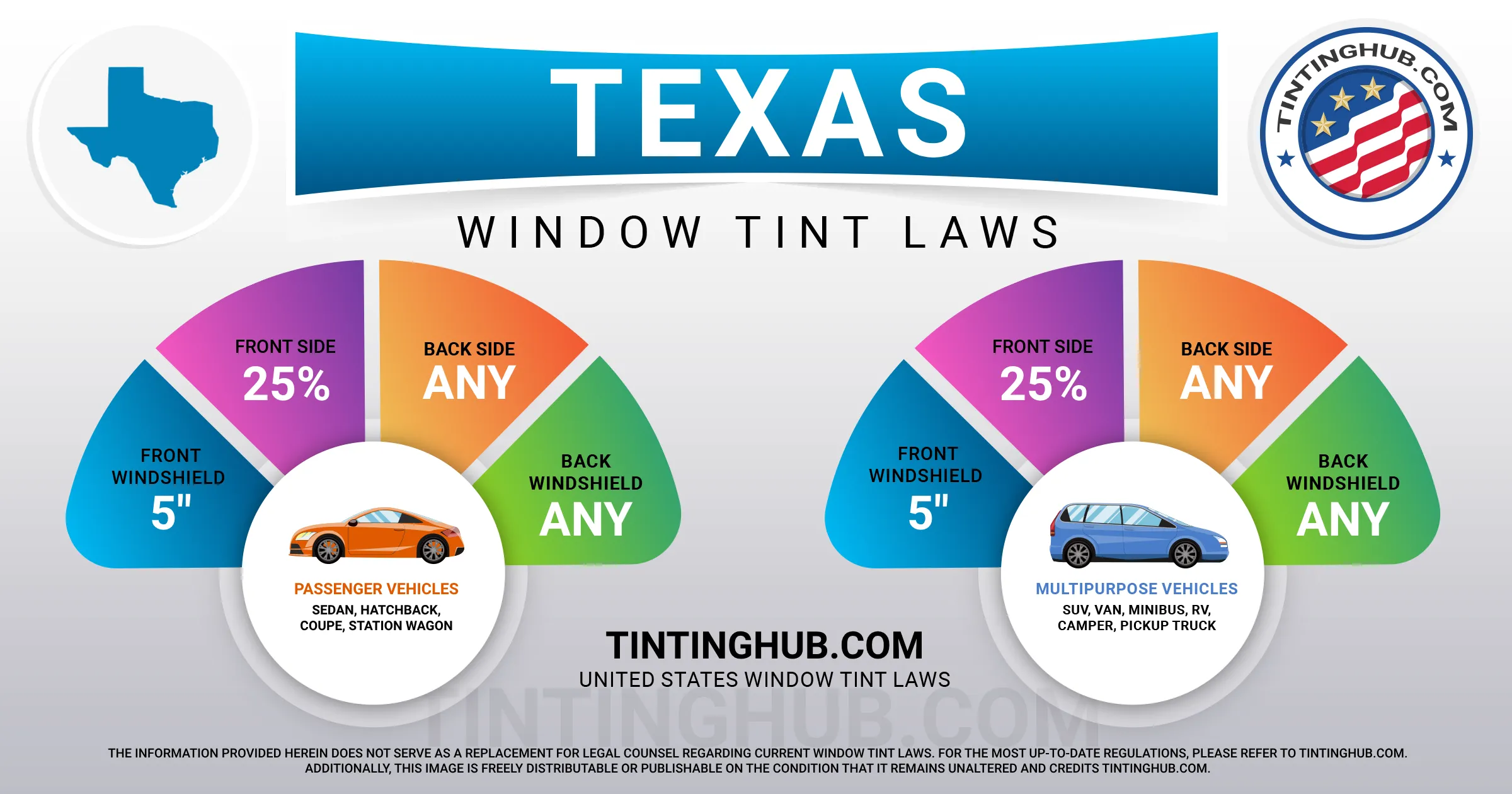
Have you ever cruised down a Texas highway and noticed a car with windows so dark they practically disappear? It's not magic, folks, it's window tint! And in the Lone Star State, the legal limit for darkness is a surprisingly popular topic, not just for drivers, but also for a whole host of creatives finding inspiration in the shadows. Believe it or not, understanding the nuances of Texas's darkest legal tint can unlock a world of artistic possibilities, from photography to DIY projects.
So, what's the big deal for artists, hobbyists, and casual learners? Well, think of it like this: understanding light is key to nearly every visual art form. Knowing how much light is allowed to be blocked, as defined by the darkest legal tint in Texas (spoiler alert: it varies by window!), helps you understand the relationship between light and shadow. For photographers, this knowledge translates into appreciating how light interacts with different surfaces and creating dramatic, high-contrast images. Hobbyists might use this understanding to build miniature sets or dioramas, carefully controlling the light to create depth and mood. Even casual learners can benefit, simply by becoming more observant of the way light and shadow shape their everyday world.
Consider these examples: imagine a photographer using a car with legal tint to create a makeshift studio. By controlling the amount of light entering the vehicle, they can achieve perfectly diffused lighting for portraits, mimicking the effect of a softbox. Think of the possibilities! Portrait styles range from soft, romantic lighting to moody, film noir-esque images. Subjects could be anything from portraits of loved ones to still life arrangements using reflective surfaces. Variations might include using colored gels to add a pop of color to the shaded environment.
Must Read
Want to try experimenting with this concept at home? You don't need a car with tinted windows! Start small. Find a partially shaded area in your home, like a window covered with a thin curtain. Experiment with different fabrics to control the amount of light entering the space. Pay attention to how the light changes throughout the day. Use a simple object, like a glass of water or a piece of fruit, as your subject. Observe how the shadows fall and how the highlights are affected by the filtered light. Try taking photos with your phone or sketching the scene to capture the nuances. You can even experiment with creating your own "tint" by taping translucent colored paper to a window.
Ultimately, understanding the darkest legal tint in Texas (or, more accurately, the various legal tints!) is about more than just avoiding a ticket. It’s about developing a deeper appreciation for the interplay of light and shadow, and how it affects the visual world around us. It’s enjoyable because it unlocks a new level of observation and creativity, transforming everyday experiences into opportunities for artistic exploration. So, next time you see a car with tinted windows, don't just think about privacy; think about the artistic potential hidden within the shadows!