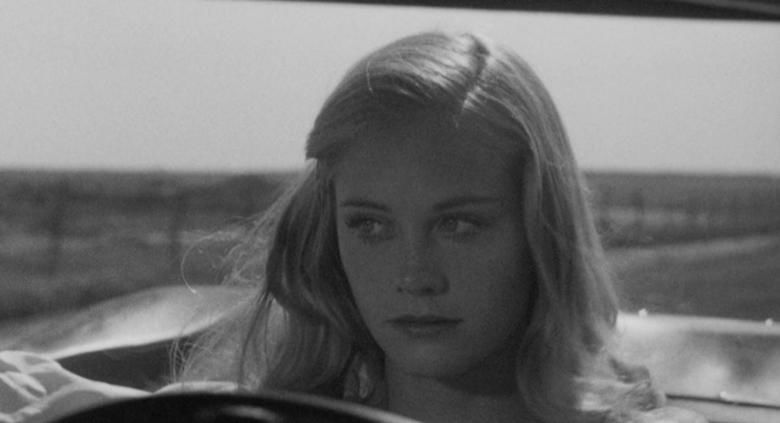
Cybill Shepherds Pool Scene In The Last Picture Show

Let's dive into a moment in cinematic history that's more than just a scene – it's a cultural touchstone. We're talking about the pool scene in The Last Picture Show, specifically the one featuring a very young, and stunning, Cybill Shepherd. Why is it worth discussing decades later? Because it's a masterclass in visual storytelling, a snapshot of changing times, and, let's be honest, a memorable moment from a classic film. For movie buffs, it’s about appreciating artistry. For others, it might just be about understanding a piece of pop culture history.
The scene itself is fairly simple on the surface. Cybill Shepherd's character, Jacy Farrow, is lounging by a pool, radiating an almost otherworldly confidence and beauty. It's a slow, deliberate scene, emphasizing her captivating presence. But it's what that scene represents that's truly powerful.
For beginners to classic film, it's a fantastic entry point into understanding how directors use visuals to convey character and mood. It's not about special effects or explosions; it's about capturing a feeling, an atmosphere, a sense of burgeoning sexuality and the subtle shifts happening in small-town America. Think of it as a visual poem, where every shot is carefully crafted to tell a story.
Must Read
For families (with older children, of course, given the film's themes), this scene can spark discussions about the changing social landscape of the 1950s and 60s. It's a glimpse into a world where traditional values were being challenged, and the younger generation was forging its own path. You could discuss the character of Jacy and what she might represent in terms of female empowerment, or perhaps the pitfalls of being defined by beauty and popularity.

For hobbyists, particularly those interested in photography or filmmaking, the scene provides excellent examples of composition, lighting, and framing. The way director Peter Bogdanovich uses the Texas landscape as a backdrop, the way he captures the glint of the sun on the water, and the way he positions Shepherd within the frame all contribute to the scene's overall impact. Consider it a free lesson in visual storytelling.
There are variations on this "pool scene" trope throughout cinema. Think of similar moments in films like The Graduate or American Graffiti. All these scenes utilize swimming pools as symbols of wealth, leisure, and often, a sense of alienation or disconnect. Jacy's pool represents a world away from the dusty streets and dying movie theater of her hometown.

So, how can you get started appreciating scenes like this? Here are a few practical tips: First, watch the film! Secondly, pay attention to the details: the music, the camera angles, the actors' expressions. Thirdly, read up on the film's production and its historical context. Finally, discuss it with friends or family – see what they think and feel about the scene.
Ultimately, the Cybill Shepherd pool scene in The Last Picture Show is more than just a pretty picture. It's a window into a different time, a powerful piece of filmmaking, and a reminder of the enduring power of visual storytelling. It's a scene that invites contemplation, discussion, and, hopefully, a deeper appreciation for the art of cinema. And who knows, maybe it'll inspire you to take a closer look at the stories being told all around you.