Curated Mental Health - Tms Therapy
Hey, you! Grab a coffee (or tea, I'm not judging) and let's chat. We're talking about mental health today, specifically something kinda cool: TMS Therapy. Ever heard of it? Don't worry if you haven't, that's why I'm here, your friendly neighborhood info-spiller.
So, you know how sometimes your brain feels a little…stuck? Like a record skipping? (Do people even use records anymore? Okay, a Spotify playlist skipping!) Yeah, that's where TMS might come in.
What IS TMS, Anyway?
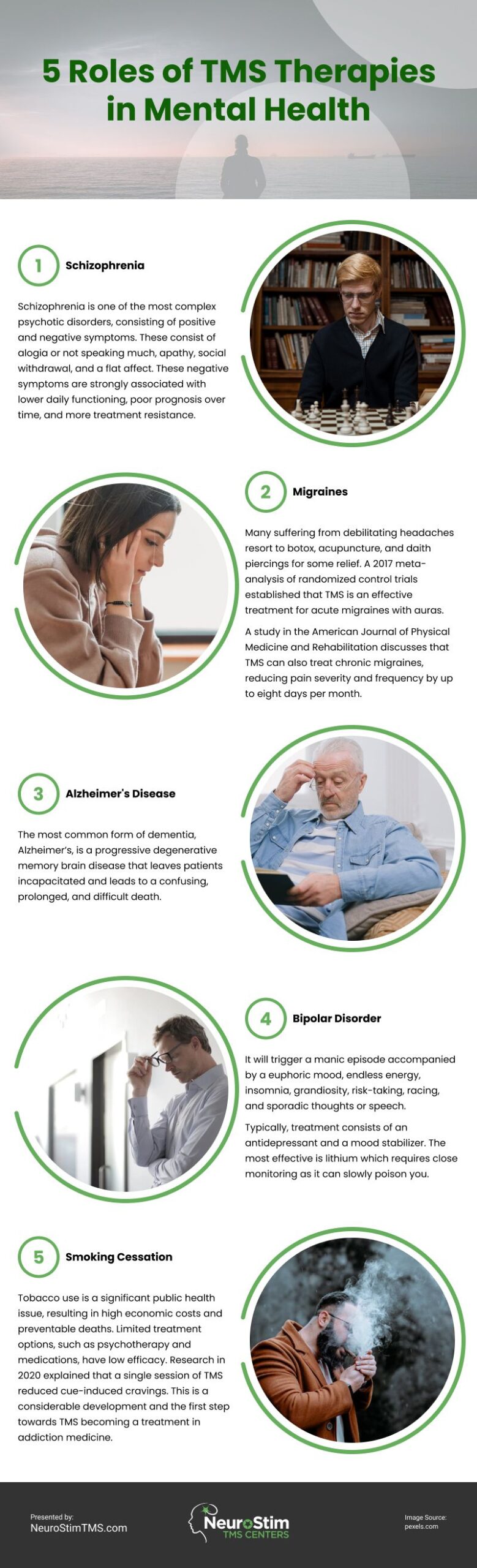
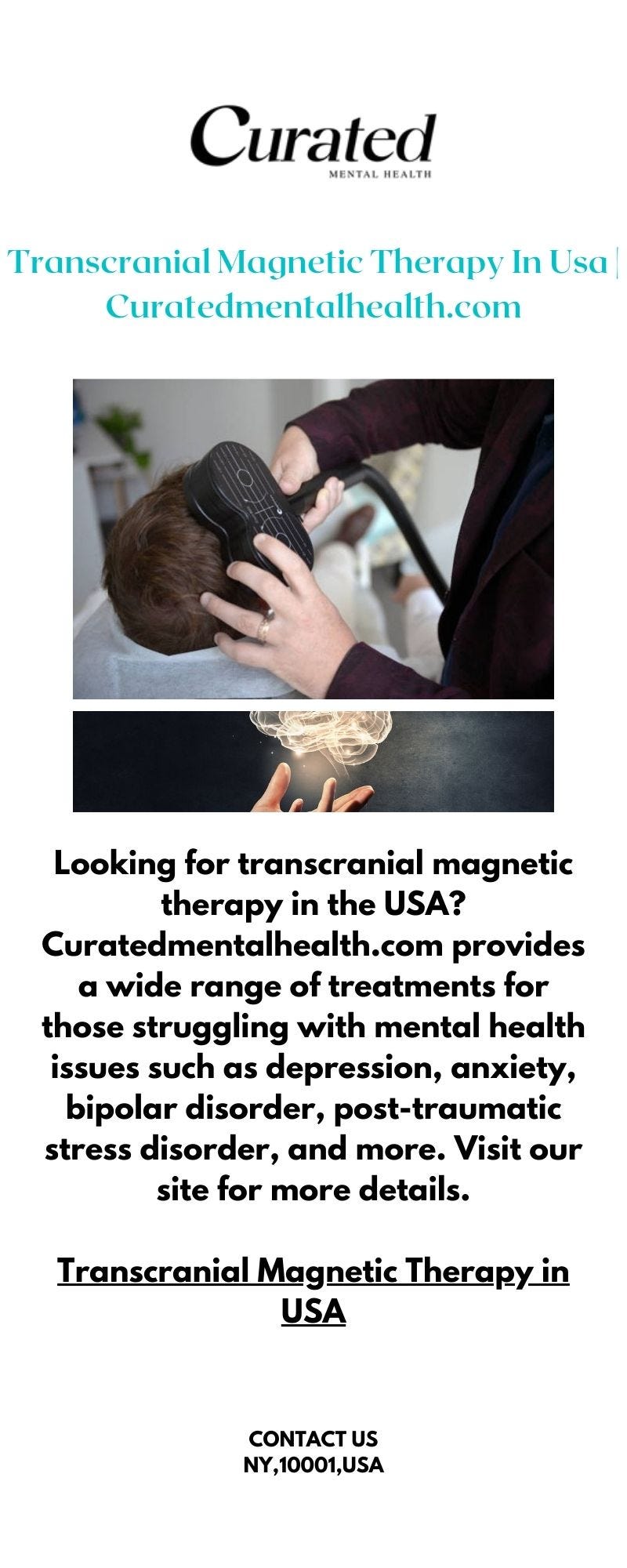
TMS stands for Transcranial Magnetic Stimulation. Sounds super sci-fi, right? Like something out of a Marvel movie. But honestly, it's way less scary than it sounds. Basically, it uses magnetic pulses (like, really gentle ones) to stimulate nerve cells in the brain. Specifically, the parts of your brain involved in mood control. Think of it as a little brain massage, a nudge in the right direction. A brain… pep rally!
Must Read
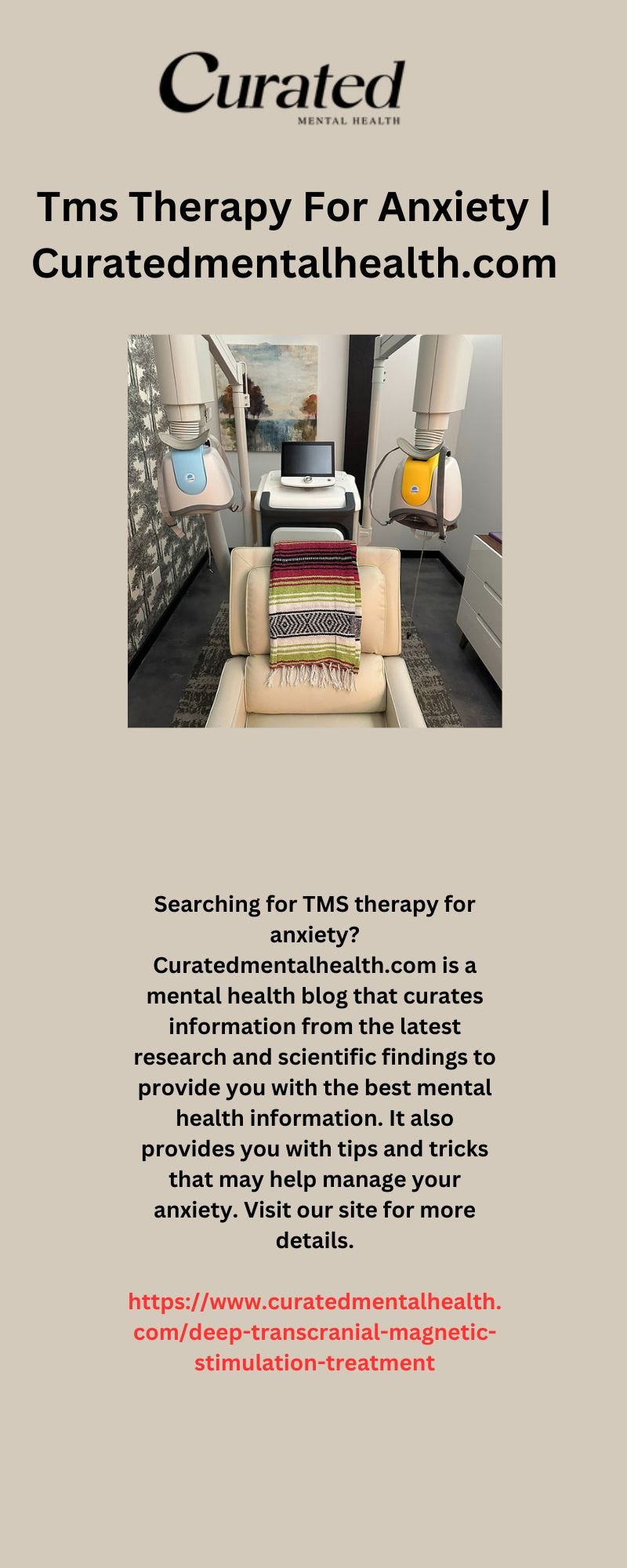
It's a non-invasive procedure. Which means no surgery! No needles in your head! Just a comfy chair, a little headgear, and some clicking noises. Think of it as a spa day...for your brain. (Minus the cucumber water, sadly.)
Why Would Someone Use TMS?
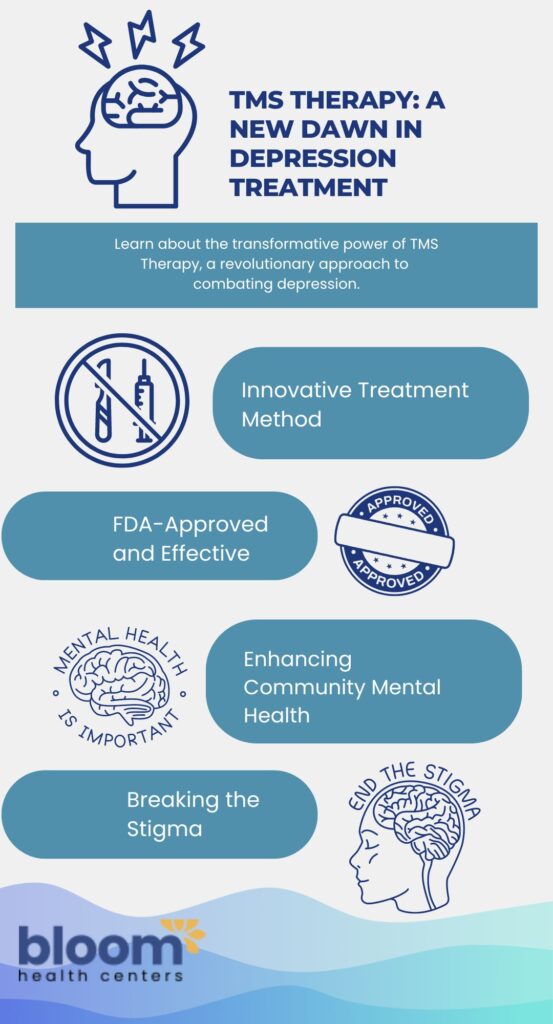
The big one? Depression. TMS is often used for people who haven't responded to traditional treatments like medication or therapy. You know, when you've tried everything and you're still feeling… blah. It can also be used for other conditions, like anxiety, OCD, and even chronic pain. But always, always chat with your doctor about whether it's right for you. Don't just listen to some random internet article (ahem...).

How Does It Work, REALLY? (The Slightly Science-y Part)
Okay, here's where we get a little technical. Remember those magnetic pulses? They're targeted at specific areas of the brain that are underactive in people with depression. By stimulating these areas, TMS can help rebalance brain activity and improve mood. It's like jump-starting a car, but for your brain. (Okay, I'm officially overusing that analogy, sorry!)
Think of it this way: sometimes your brain needs a little help getting back on track. TMS provides that help, without the side effects that can come with medication. (Although, let's be clear, TMS can have side effects too. We'll get to that.)
What to Expect During a TMS Session
Alright, picture this: you're sitting in a comfy chair. A technician places a small device against your forehead. You'll hear clicking or tapping sounds as the magnetic pulses are delivered. It might feel a little weird, like a light tapping sensation. Some people describe it as a mild headache or scalp discomfort. But hey, no pain, no gain, right? (Okay, that's not entirely true. Talk to your doctor if you're uncomfortable!)
Each session usually lasts about 30-60 minutes, and you'll typically need to go for treatment several times a week for several weeks. It's a commitment, sure, but think of it as an investment in your mental well-being! A super important investment, might I add!
Are There Any Side Effects? (The Honest Truth)
Like any medical treatment, TMS can have side effects. The most common ones are mild headaches or scalp discomfort. Some people also experience lightheadedness or tingling. Serious side effects are rare, but they can happen. Again, talk to your doctor! They know best. I'm just a friendly voice on the internet, not a medical professional. (Please don't sue me!)
Is TMS Right For You? (The Million-Dollar Question)
That's a question only you and your doctor can answer. But if you're struggling with depression and haven't found relief with other treatments, TMS might be worth exploring. Do your research. Ask questions. And most importantly, take care of yourself. You deserve to feel good. Seriously, you do!
TMS isn't a magic bullet, nothing ever is. But it can be a powerful tool in the fight against mental illness. And that's something worth talking about, right?
So, there you have it! A quick and (hopefully) informative overview of TMS therapy. Now go forth and conquer… your brain! (In a good way, of course!)