Cuantos Milimetros Tiene Un Litro

Hey there, friend! Ever found yourself staring blankly at a recipe, wondering about this whole "liters and milliliters" thing? Don't worry, we've all been there! It's like trying to remember the difference between a stalactite and a stalagmite – totally confusing until someone breaks it down simply. So, let's tackle the age-old question: How many millimeters are in a liter?
Alright, drumroll please... The answer is a nice, round, and easily memorable 1,000! Yes, folks, one liter is equal to 1,000 milliliters. Think of it like this: a liter is the big boss, and milliliters are its tiny, hard-working minions. You need a thousand of those little guys to make up one big liter.
Now, you might be asking, "Why do we even have milliliters?" Good question! Imagine trying to measure out a teaspoon of vanilla extract in liters. You'd end up with a whole lot of vanilla extract (and probably a very strong-tasting cake!). Milliliters are perfect for measuring small amounts of liquids – medicine dosages, perfume samples, that tiny bit of olive oil you need for your salad. They are super convenient, especially when you are following recipes.
Must Read
Why Is This Important Anyway?
Knowing how many milliliters are in a liter is surprisingly useful in everyday life. Think about it:
- Cooking and Baking: Recipes often use both liters and milliliters. Knowing the conversion helps you get the measurements right (and avoid culinary disasters!).
- Medication: Many liquid medications are dosed in milliliters. Accuracy is key when it comes to your health (or your pet's health!).
- Buying Drinks: Soda, juice, water – they all come in different sizes. Understanding liters and milliliters helps you compare prices and choose the best deal.
- Science Experiments: If you are playing scientist at home, doing simple experiments, then knowing the measurement of fluids is essential.
Basically, it's just good general knowledge to have. Plus, you can impress your friends with your newfound wisdom! (Just kidding… unless?)

Let's Visualize It!
Sometimes, seeing things helps. Imagine a standard water bottle. Most of them hold about 500 milliliters (that's half a liter). So, two of those bottles would equal one liter. See? Not so scary, right?
Another way to think about it is with measuring cups. If you have a measuring cup that's marked in milliliters, fill it up to the 1000 ml mark, and you've got one liter. Easy peasy!
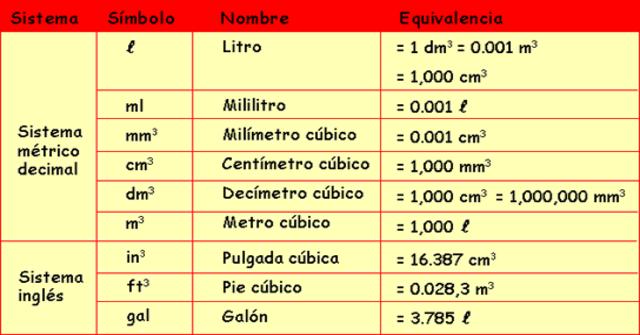
A quick tip: The prefix "milli-" always means one-thousandth. So, a milligram is one-thousandth of a gram, a millimeter is one-thousandth of a meter, and so on. Once you understand that, the metric system becomes a whole lot less intimidating. It’s like unlocking a secret code to the universe… or at least to your kitchen measuring drawer.
Avoiding Common Mistakes
One common mistake is confusing milliliters with liters. Always double-check the units when you're measuring. A little "mL" can make a big difference! Also, be careful when using measuring cups or spoons – make sure they're properly calibrated. A slightly off measurement can sometimes throw off your recipe. Accuracy is key!

And remember, don’t be afraid to ask for help! If you're ever unsure about a measurement, just Google it or ask a friend. There’s no shame in admitting you need a little help with conversions. We all start somewhere!
So, there you have it! You're now a certified milliliters-to-liters expert! Go forth and confidently conquer any recipe, medication dosage, or beverage purchase that comes your way. You've got this! Remember, one liter equals 1,000 milliliters. Easy peasy, lemon squeezy!
Now that you're armed with this knowledge, go forth and create something amazing! Bake a cake, mix a cocktail (responsibly, of course!), or just impress your friends with your newfound measurement skills. The possibilities are endless! And remember, even if you accidentally add a little too much or too little of something, it's okay. Mistakes are part of the learning process (and sometimes, they lead to delicious discoveries!). So, embrace the journey, have fun, and keep exploring the wonderful world of measurements! You’re awesome, and you got this!