
Cuã¡ntos Centãmetros Tiene Una Pulgada

Okay, picture this: I'm attempting to assemble some ridiculously complicated Swedish furniture (you know the kind!), and the instructions are, naturally, only in pictures and cryptic measurements. Everything is in inches! Now, I'm a reasonably intelligent human being, but my brain operates primarily in the metric system. Cue me frantically Googling something along the lines of "How many centimeters in an inch so I don't destroy my new bookshelf?" Sound familiar? We've all been there!
So, let's get straight to the point. The magic number you need to remember is: 2.54. That's right, one inch is equal to 2.54 centimeters. It's a conversion factor that's going to save you a whole lot of furniture-related stress, trust me on that one.
Now, you might be wondering, "Why 2.54? Why not a nice, round number? Like, say, 3?" Well, the short answer is: history and complicated international agreements. Don't worry, I won't bore you with a deep dive into the history of measurement (unless you really want me to, in which case, hit me up in the comments!), but it's safe to say that the number came about through a series of… let's call them spirited negotiations. (Side note: Imagine being a diplomat whose sole job is to argue about centimeters and inches. Talk about a niche skill!)
Must Read
Why is this even important? Good question! (I'm glad you asked, even if you didn't really.) Well, consider the world we live in. Some countries (like the U.S.) stubbornly cling to the imperial system (inches, feet, miles, etc.), while most of the rest of the world embraces the metric system (centimeters, meters, kilometers, etc.). So, understanding the conversion between the two is super useful for:
- Traveling: Knowing how tall something is in centimeters when all the signs are in inches.
- Online Shopping: Avoiding ordering a "large" t-shirt that turns out to be doll-sized. (We've all been there too, haven't we?)
- DIY Projects: Accurately cutting wood, fabric, or whatever else your creative little heart desires.
- Understanding Instructions: Like my aforementioned furniture saga!
Basically, knowing that one inch is 2.54 centimeters is like having a secret weapon against measurement confusion.
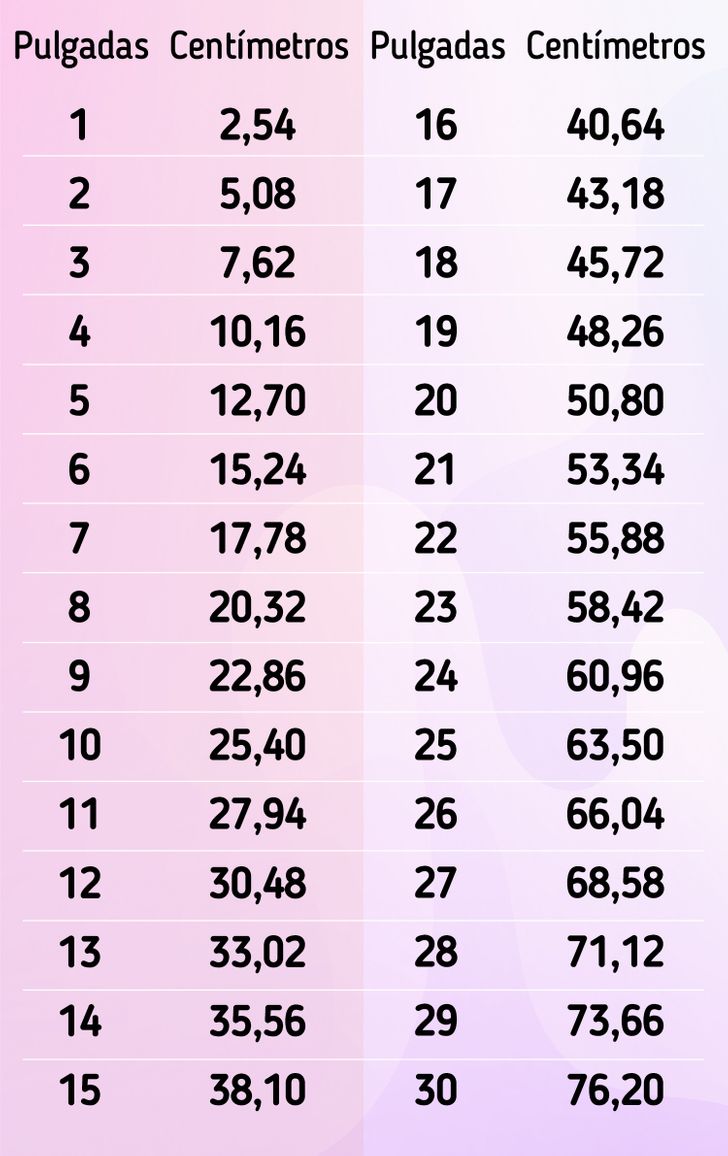
So, how do you actually use this information?
Let's say you need to convert 5 inches to centimeters. Simple! Multiply 5 by 2.54: 5 * 2.54 = 12.7 centimeters. Voila! You are now a master of conversion! (Okay, maybe not a master, but definitely more knowledgeable than you were five minutes ago.)
On the flip side, if you need to convert centimeters to inches, you simply divide by 2.54. For example, if you have 20 centimeters, you divide by 2.54: 20 / 2.54 = approximately 7.87 inches. See? Easy peasy!

There are tons of online converters too, but where's the fun in that? Plus, knowing the conversion factor in your head (or at least having it easily accessible) is a major flex. (Okay, maybe a minor flex, but still.)
Let's recap, because repetition is key to learning (and because I'm trying to pad out this article a little bit). 1 inch = 2.54 centimeters. Memorize it. Tattoo it on your arm. (Okay, maybe don't tattoo it on your arm. But do remember it.)
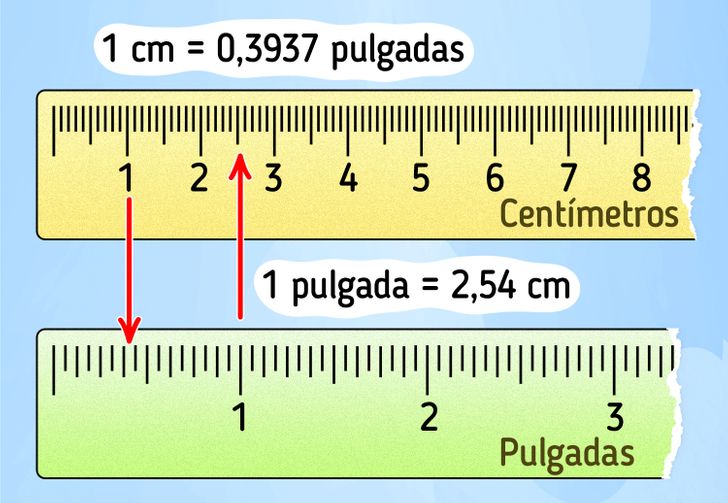
The most important takeaway here is not just knowing the number, but understanding why it's useful. It’s about navigating a world where measurements can feel arbitrarily different depending on where you are, or who designed the instructions. It's about empowering yourself to build that bookshelf, buy that t-shirt, or understand that signpost without wanting to throw your hands up in frustration.
So go forth, my friends, and conquer the world of measurements! And remember, 2.54 is your friend. Your very nerdy friend. But a friend nonetheless.
