
Cuantas Onzas De Agua Es Un Litro
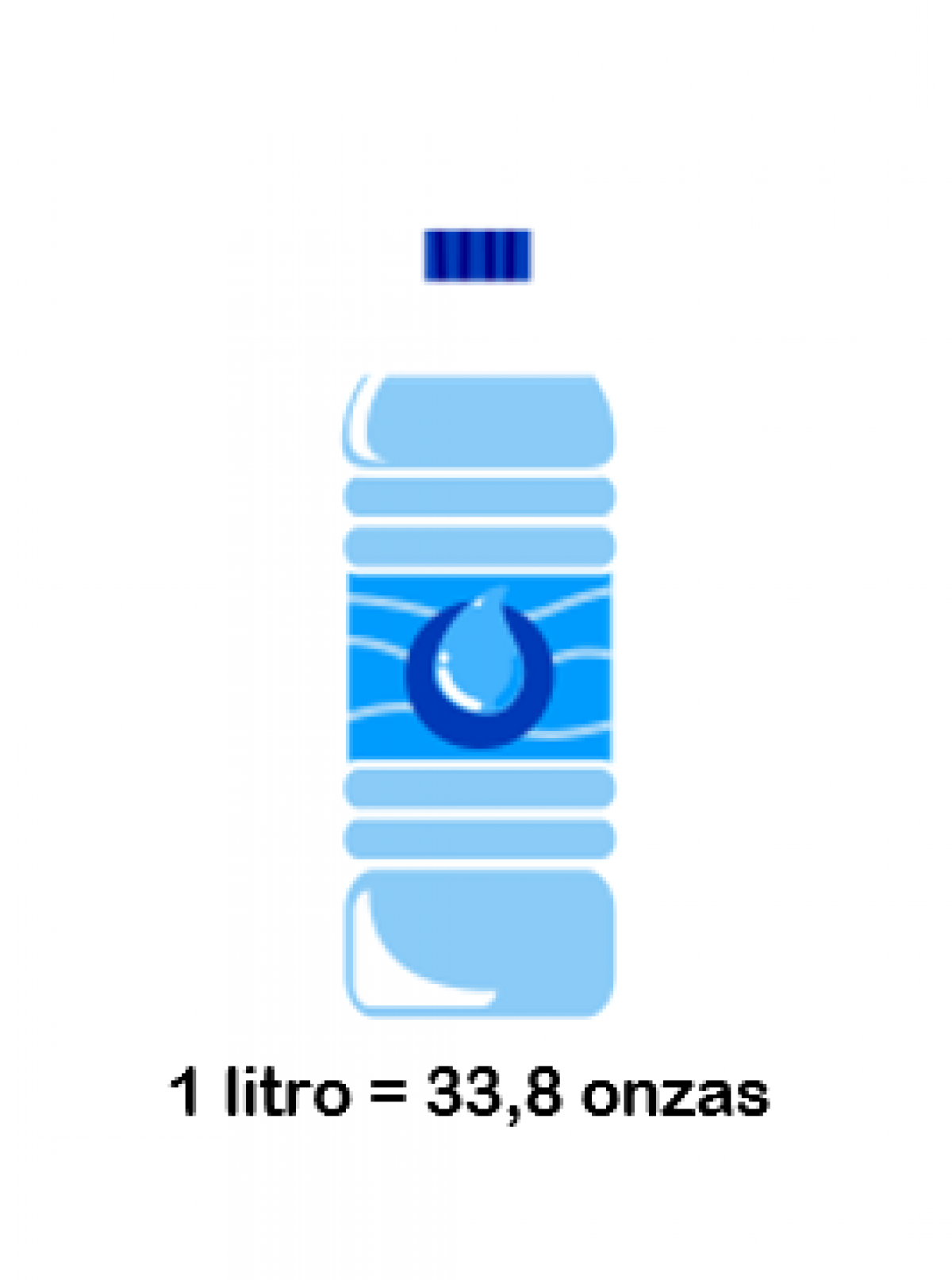
Okay, water enthusiasts, prepare yourselves! We're diving headfirst into the liquid depths of measurement to answer a question that has plagued humanity (well, maybe just those of us who like to cook and stay hydrated): How many ounces are in a liter?
The Great Ounce-Liter Conversion Caper!
The answer, my friends, is approximately 33.8 fluid ounces. But don't just take my word for it! Let's explore this conversion a little more playfully, shall we?
Imagine you’re a thirsty adventurer, scaling Mount Laundry Pile, and your trusty water bottle holds a liter. That's like carrying the equivalent of 33.8 little ounce-sized water pistols, ready to quench your heroic thirst!
Must Read
Why Does This Even Matter?
Good question! Knowing this magic number is super handy for a bunch of things. Think about following recipes from around the world. A French recipe might list ingredients in liters, while your measuring cups are screaming for ounces!
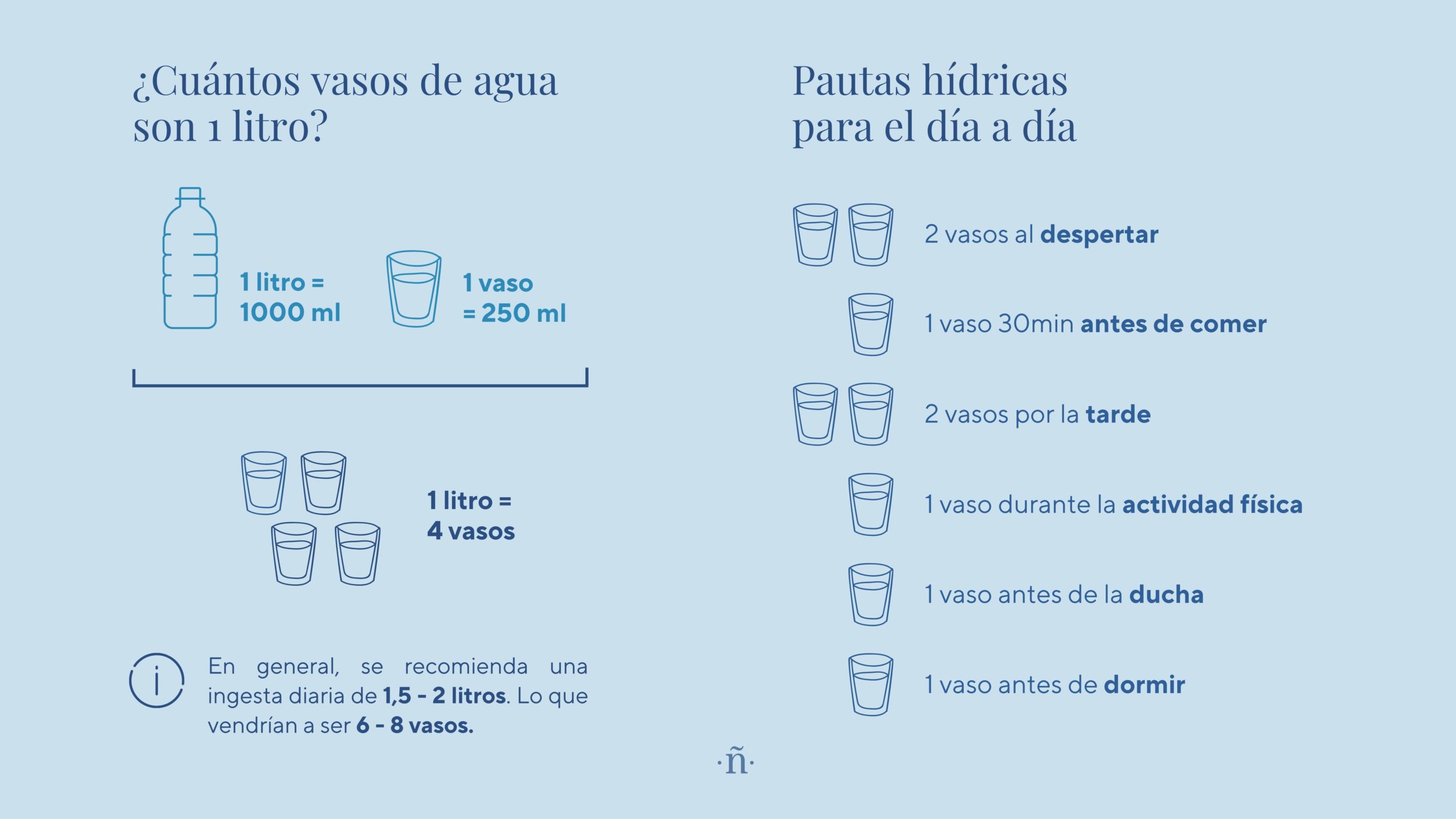
Or maybe you're trying to meet your daily water intake goals. "Drink eight glasses of water a day!" they say. But what if your glass is the size of a thimble? Understanding the liter-to-ounce relationship helps you stay properly hydrated, like a well-watered houseplant!
Also, consider this: You're baking a cake. A very important cake. The recipe calls for 1 liter of liquid. You don't want to accidentally add only 10 ounces! That cake could end up flatter than a pancake.
Or the opposite! Imagine adding way too much, and you end up with cake soup! Nobody wants cake soup, except maybe a very experimental toddler.
Let's Get Visual: Ounce-Liter Examples!
Let’s paint a picture, shall we? A standard can of soda is usually around 12 ounces. So, a liter is almost like having three of those cans, minus a tiny sip.

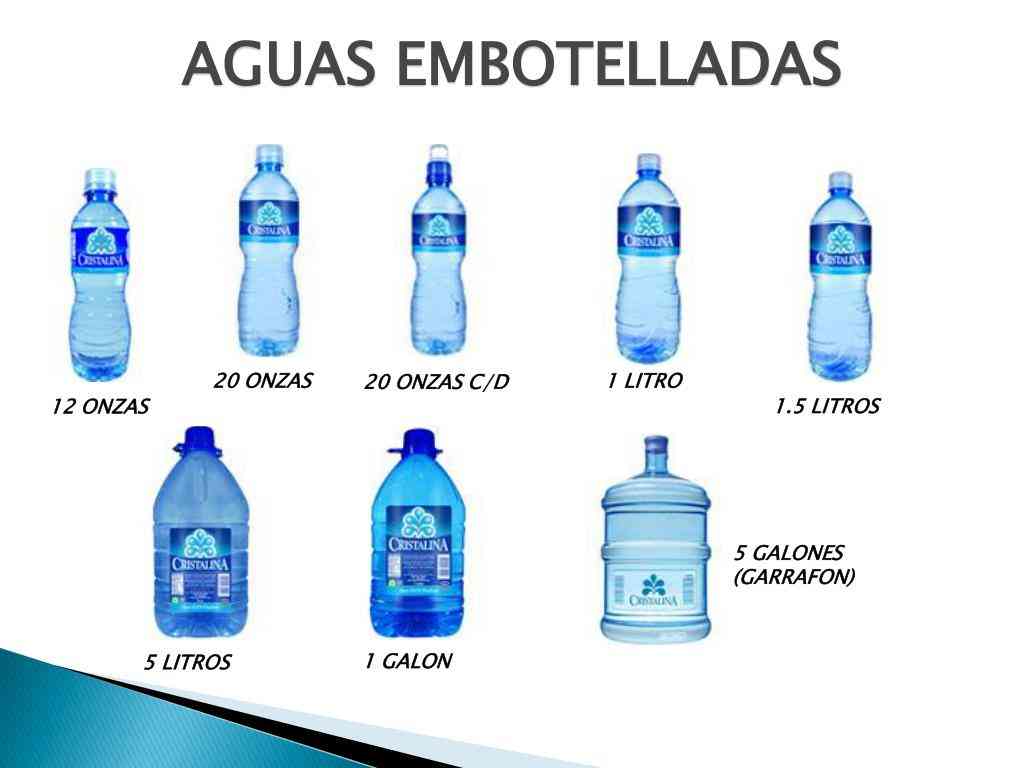
Think of a large bottle of water you might buy at the store. Those are often one liter in size. Next time you grab one, remember you're holding about 33.8 little ounce-sized soldiers ready to fight dehydration!
A typical coffee mug holds about 8 ounces. You'd need just over four of those mugs to equal one glorious liter of caffeinated bliss.
Don't Overthink It! (But Maybe Think About It a Little)
Look, I'm not suggesting you whip out a calculator every time you need to measure liquids. Eyeballing is perfectly acceptable in many situations. But having a general understanding of the ounce-to-liter conversion can save you from culinary catastrophes and dehydration disasters.
Most measuring cups and jugs have both ounce and milliliter (which relates to liters) markings. Take a peek at those next time you're in the kitchen! It's like a secret decoder ring for culinary success!
And remember, a slight discrepancy won't usually ruin your recipe or leave you parched in the desert. We're talking about approximate measurements here, not rocket science (unless you're baking a rocket-shaped cake, in which case, good luck!).
Fun Facts About Ounces and Liters!
Did you know that the fluid ounce is different from the weight ounce? One measures volume, the other measures mass. Mind. Blown.
The word "liter" comes from an old French unit of measurement called the "litron." So, next time you use a liter, you're channeling your inner French ancestor. Bon appétit...and à votre santé!
The United States primarily uses the imperial system (ounces, pounds, etc.), while most of the world uses the metric system (liters, kilograms, etc.). This is why international recipes can sometimes feel like deciphering ancient hieroglyphs.
Hydration is Key (and Delicious!)
Ultimately, whether you're measuring in ounces or liters, the most important thing is to stay hydrated! Water is essential for life, and knowing how much you're drinking can help you feel your best.
So, go forth and conquer your thirst! Armed with your newfound knowledge of ounces and liters, you are now a certified liquid measurement master!

Drink up, be merry, and remember: 33.8 ounces is roughly equal to one liter. Now go impress your friends with your amazing conversion skills!
Beyond Water: Ounces and Liters in Everyday Life
Think about your favorite bottled beverages! Many juices, sports drinks, and even some fancy iced teas come in liter-sized bottles. Now you know precisely how many ounces of deliciousness you're consuming.
Cosmetics and cleaning products often use liters and ounces, too. Knowing the conversion can help you compare prices and determine which product offers the best value. It's like being a savvy shopper superhero!
Even your car needs liters of oil and other fluids! While you probably won't be measuring those in ounces yourself, understanding the metric system can be helpful when dealing with mechanics and service manuals.
A Final Word of Encouragement (and Hydration!)
So, there you have it! The mystery of the ounce-to-liter conversion is finally solved. You are now equipped with the knowledge to navigate the world of liquid measurement with confidence and a touch of flair.
Remember, staying hydrated is not just a chore; it's a celebration of life! So grab your favorite beverage, measure it in ounces or liters (or just eyeball it!), and raise a glass to your newfound understanding.
And if anyone ever asks you, "How many ounces are in a liter?" you can confidently declare, "Approximately 33.8!" You'll be the star of the hydration party, I guarantee it!
Now go forth and hydrate! And remember, even a tiny sip is a step in the right direction. Cheers to a well-hydrated and informed you!
The conversion between ounces and liters may seem trivial, but it highlights how we experience and measure the world around us. From cooking to health and beyond, understanding these conversions is surprisingly useful.
Next time you are thinking about how much water to drink make sure you remember our conversation.
Now drink water and go forth. Your body will thank you for it!