
Cost To Remove Roots From Septic Tank

Hey there, fellow homeowner! Ever had that sinking feeling… and no, I don't mean just emotionally. I'm talking about that particular "uh-oh" moment when your plumbing decides to stage a silent protest. And often, behind the scenes of those gurgles and slow drains, there’s an unlikely culprit: tree roots.
Yep, those beautiful, life-giving trees that provide shade and curb appeal? Bless their leafy hearts, they can sometimes get a little too friendly with your underground infrastructure. Especially your septic tank and its drain lines. They’re basically looking for a drink, and your septic system, full of nutrient-rich water, looks like a five-star buffet to them!
So, How Do They Even Get In There?
Well, your septic system pipes, especially older ones, can develop tiny cracks or loose joints over time. To a thirsty tree root, those are like flashing neon signs saying, "FREE WATER HERE!" Once a tiny root finds its way in, it starts growing. And growing. And growing! Soon, you’ve got yourself a rooty, leafy spaghetti monster doing its best impression of a blockage.
Must Read
It's not exactly a Netflix-and-chill kind of problem, is it? It’s a "my-toilets-are-looking-suspiciously-full" kind of problem. And that's when you start thinking: "Cost to remove roots from septic tank?" Let's dig into that, shall we?
The Great Root Eviction: Methods & Money
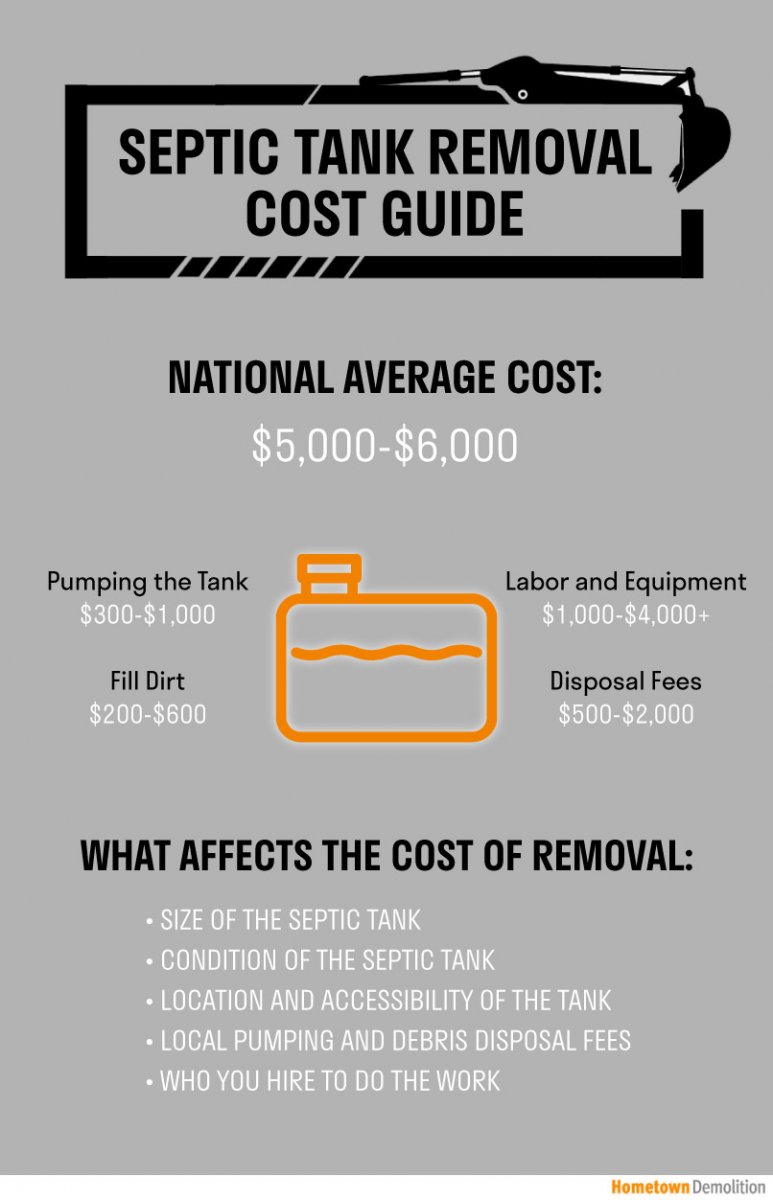
Alright, enough with the leafy drama. Let's get down to the moolah, the dough, the cold hard cash it takes to evict these botanical bandits. The cost can vary widely, mostly depending on how bad the invasion is and what method is needed.
1. Snaking or Augering
Think of this like a really, really long, sturdy pipe cleaner for your sewer line. A professional sends a flexible auger (a.k.a. a snake) down the pipe with a cutting head to chop up the roots. It's often the first line of defense for minor invasions.
Cost: This is usually the least expensive option, often ranging from $200 to $600. It's a quick fix, but roots are tenacious, so they might grow back!
2. Hydro-Jetting
This is like giving your pipes a spa day… with a firehose! Hydro-jetting uses high-pressure water streams to blast away roots, grease, and other debris. It's much more effective than snaking for a thorough clean.

Cost: Expect to pay a bit more for this power wash, typically between $400 and $1,000+, depending on the job's complexity.
3. Chemical Treatments
Sometimes, a professional might suggest using a chemical root killer. These chemicals are designed to dissolve roots without harming the pipes. However, they're not a permanent solution and often need regular reapplication.
Cost: Chemical treatments can be less expensive upfront, maybe $100 to $300 if done professionally, but remember, it’s often a band-aid, not a cure.

4. Excavation and Repair/Replacement
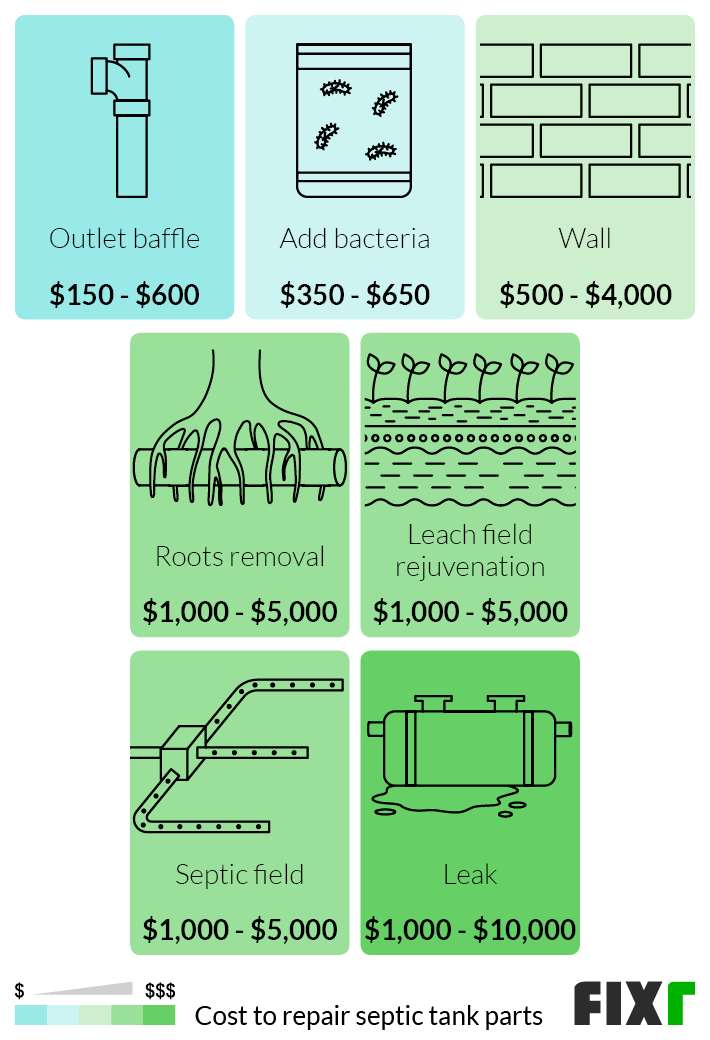
Okay, this is the big one. If the roots have caused significant damage – cracked, collapsed, or offset pipes – you might be looking at excavating the area to repair or replace the damaged sections. This is definitely the most extensive and costly solution.
Cost: Brace yourself. This can range from $2,000 to $10,000 or even more, depending on how deep the pipes are, the extent of the damage, and the accessibility of the area. It’s definitely an "ouch" moment for the wallet.
Factors That Play a Role in the Price Tag
Beyond the method, a few other things can swing the final bill:
- Severity of the Invasion: A few errant tendrils are cheaper to remove than an underground root city.
- Accessibility: Is the problem easily reachable, or are they tunneling under your prize-winning petunias, requiring extra digging?
- Location, Location, Location: Prices for services vary from town to town, just like the cost of a good cup of coffee.
- Emergency vs. Planned: A frantic, late-night call usually comes with a "premium panic" surcharge, bless their hearts.
A Little Prevention Goes a Long Way!
While dealing with roots in your septic tank isn't exactly a party, the good news is it’s a fixable problem! And even better, you can take steps to prevent it from happening again.
Consider planting trees and shrubs a good distance away from your septic system. We're talking at least 20-30 feet for larger trees. Also, regular septic tank pumping and inspections can help catch problems early before they become an expensive nightmare.
So, take a deep breath! If you're currently wrestling with these leafy invaders, know that professional help is just a call away. Investing in proper root removal not only saves your plumbing but also prevents bigger, costlier issues down the line. Here's to a clear-flowing future, and maybe, just maybe, planting your next tree a little further away from your underground plumbing! Your septic tank (and your wallet) will thank you.