
Cost Of Life Alert System
Alright, grab a cuppa, settle in, because we're about to tackle one of life's great mysteries, right up there with "where do all the lost socks go?" and "is it really necessary to charge extra for avocado?" We're talking, of course, about the Cost of Life Alert.
You know Life Alert. It’s that iconic system, perpetually ready to spring into action whenever Grandma decides to reenact a scene from a slapstick comedy in the kitchen. "I've fallen, and I can't get up!" A phrase so ingrained in our cultural consciousness, it’s practically a greeting card slogan for the over-65 crowd. It’s comforting, it’s a little bit retro, and it makes you wonder: just how much does that peace of mind cost?
Spoiler alert: it’s not exactly a vending machine price tag. We’re not talking a buck-fifty for a bag of chips here. No, Life Alert’s pricing structure is more like trying to decipher an ancient scroll while simultaneously juggling flaming torches. It’s... opaque. And by opaque, I mean you pretty much have to call them to get a straight answer. It’s like they've got a secret handshake, or perhaps a hidden room behind a bookshelf where they reveal the true figures.
Must Read
The Great Unveiling (Sort Of)
Let's pretend we've made the call. After navigating a pleasant but persistent sales associate, what generally emerges from the fog are a few key components. Think of it like building a very specific, emergency-response-themed LEGO set.
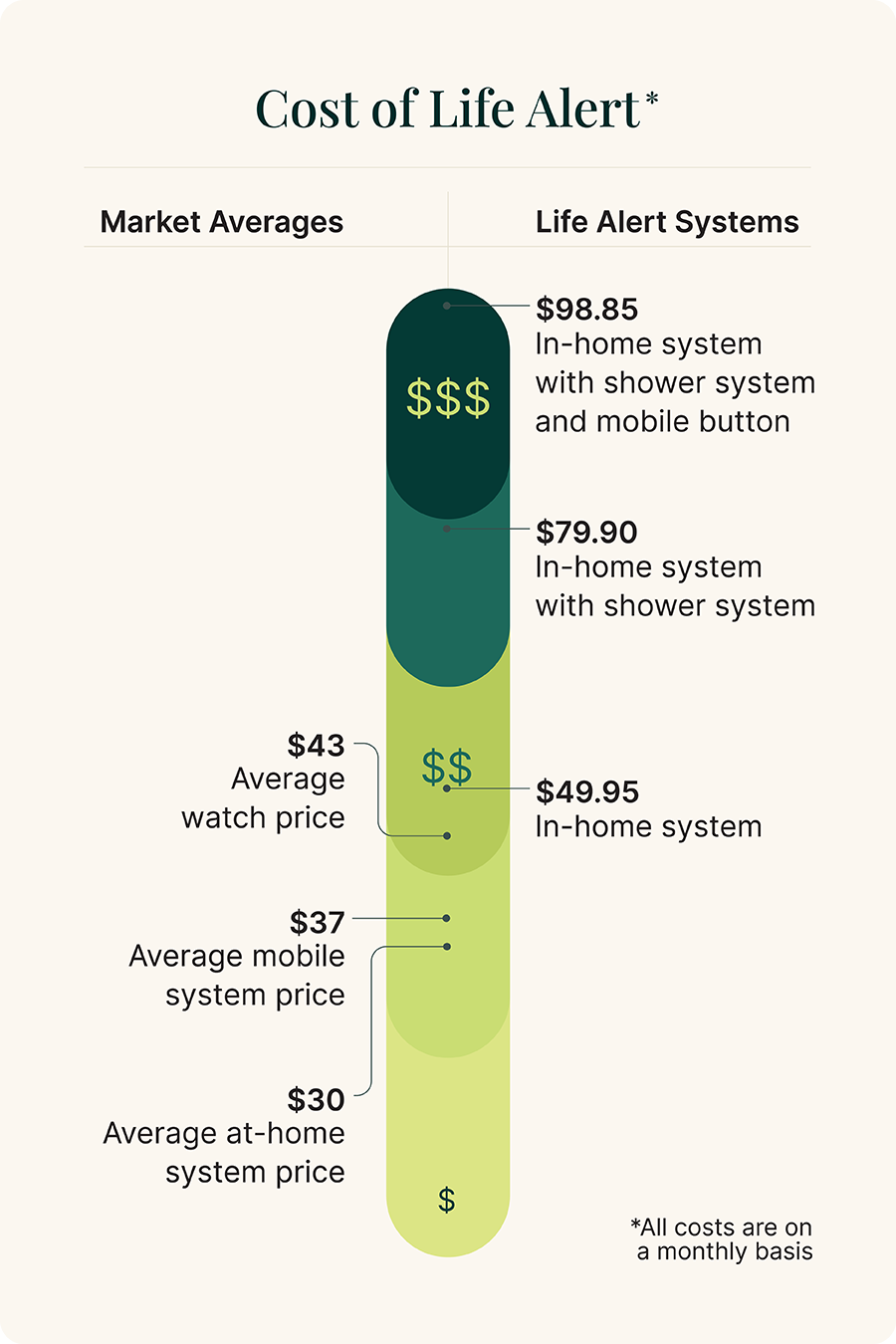
First up, there's usually an activation or setup fee. This isn’t just for flipping a switch, mind you. This is for the magical process of getting your system up and running, likely involving tiny digital gnomes scurrying around your house. It’s often in the ballpark of $99 or more. Consider it your initiation fee into the "I've Fallen" club. Membership has its benefits, and apparently, its initial costs.

Then comes the main event: the monthly monitoring fee. This is where the plot thickens. Life Alert typically offers various packages. You’ve got your basic in-home unit – a fancy base station and a wearable button. Then there’s the mobile option, for those adventurous types who might fall while attempting a daring escape from the grocery store. And let’s not forget the mythical fall detection, which promises to sense your accidental tango with gravity even if you can’t press the button yourself. These monthly fees can range from about $49 for a basic package up to $89 or even more for the Cadillac version with all the bells, whistles, and perhaps a tiny siren that plays your favorite song.
Now, here's a kicker that often catches people off guard: the contract. Many emergency alert systems let you go month-to-month, like a no-strings-attached dating situation. Life Alert, however, is often known for requiring a three-year contract. Yes, you read that right. Three years! That's longer than some celebrity marriages. It’s a serious commitment, so make sure you’re ready to settle down with your emergency button for the long haul.
Surprising Facts (and Financial Funnies)
Here’s where it gets truly interesting. Unlike many other Personal Emergency Response Systems (PERS) providers that are quite transparent with their pricing online, Life Alert prefers the personal touch. This means you won’t find a handy "plans and pricing" page on their website. It's like a secret speakeasy for pricing information – you gotta know the password, which in this case, is "phone call."
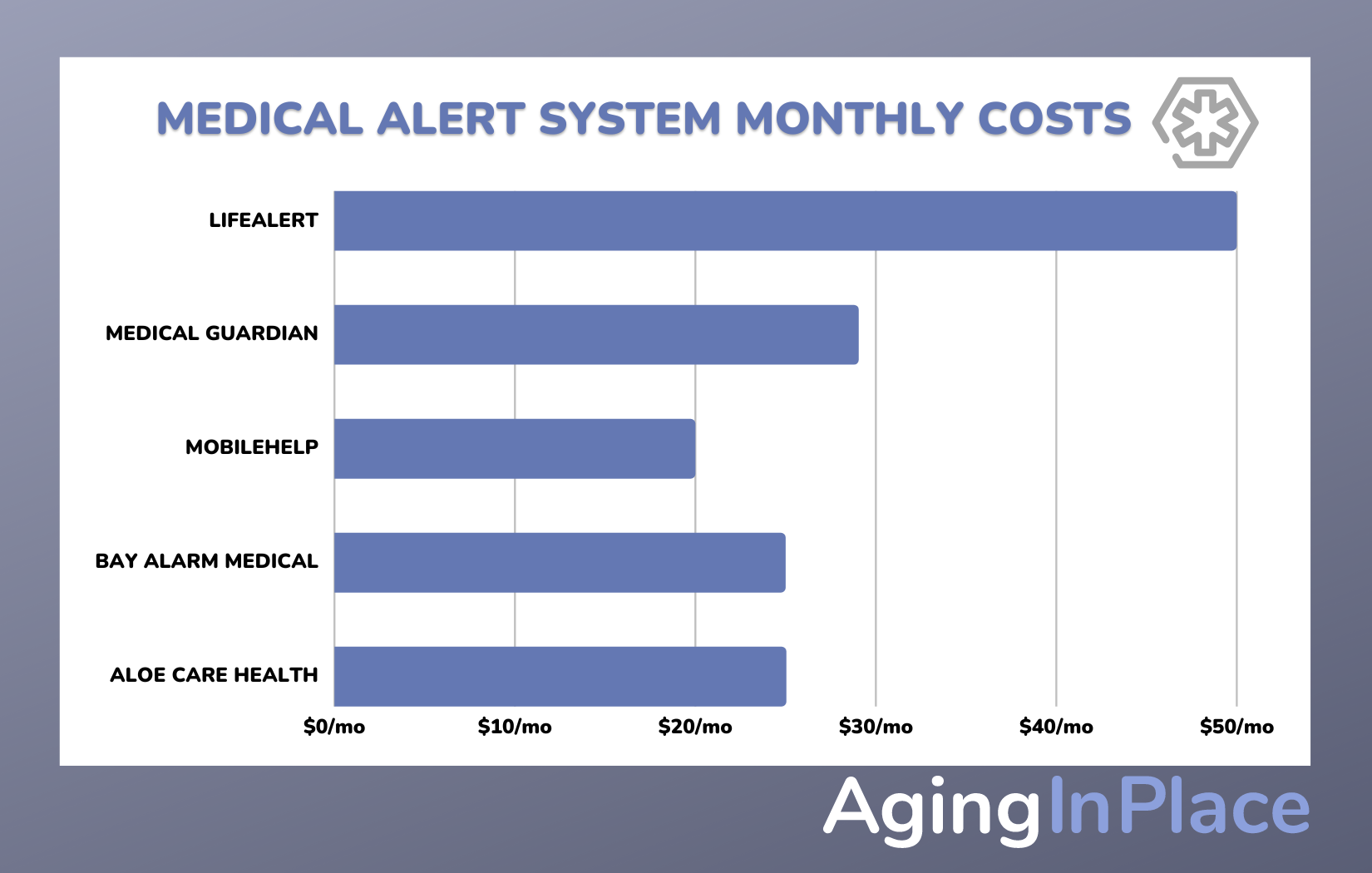
And speaking of comparisons, it's worth noting that Life Alert is generally considered one of the pricier options in the market. There are dozens of competitors out there, from Medical Guardian to Bay Alarm Medical, and many of them offer similar services, often with lower monthly fees and more flexible contract terms. They might not have the same iconic catchphrase, but they’ll still call for help when you’re attempting to retrieve that rogue cat from the top shelf.

So, when you factor in the setup fee, the monthly monitoring, and that lengthy contract, you’re looking at a significant investment. Over three years, even a $60/month plan plus an initial fee can easily top $2,000 to $2,500. That’s enough to buy a decent used car, or at least a lifetime supply of fancy artisanal cheese. But can you put a price on the ability to summon help when you’ve accidentally locked yourself in the pantry? Perhaps you can!
The Bottom Line (Beyond the Jokes)
While we can have a good laugh about the secret pricing and the contractual commitment, the truth is, a system like Life Alert offers invaluable peace of mind. For many seniors and their families, knowing that help is just a button press away – or even an automatic detection – is worth every penny. It’s about maintaining independence and ensuring safety.
But like any big decision, especially one involving a multi-year commitment and a mystery price tag, it pays to do your homework. Get quotes from Life Alert, but also shop around. Compare features, contracts, and costs from other providers. Think of it as dating around before you commit. You want to make sure you find the perfect emergency response partner, one who understands your needs, your budget, and ideally, won't make you sign a contract longer than your favorite TV series. Stay safe, folks, and keep those humor muscles flexed!
