Cost Of 1 Kwh Electricity
Ever wonder about that number on your electricity bill, the one that says "kWh" and then a cost? Well, guess what – delving into the cost of 1 kWh of electricity isn't just for number crunchers or engineers. It's actually a pretty fun and incredibly useful little superpower for everyday life! Think about it: every time you charge your phone, brew a coffee, or binge-watch your favorite show, electricity is flowing, and each of those moments contributes to your monthly bill. Understanding the basic unit of electricity cost is like getting a secret decoder ring for your home's energy usage, empowering you to make smarter choices and maybe even save some cash. It’s not some dry, complicated topic; it’s about making sense of something that powers our entire modern existence, from the lightbulb over your head to the internet that brings you this very article.
So, who can benefit from this seemingly simple bit of knowledge? Just about everyone! For beginners, it's the first step to truly understanding your utility bill instead of just paying it blindly. You'll finally get what a "kilowatt-hour" really means and how it translates into actual money. For families, this insight is a game-changer for household budgeting. Imagine being able to estimate the running cost of a new appliance before you buy it, or teaching your kids about energy conservation in a tangible way. It helps in making informed decisions, from upgrading to energy-efficient appliances to simply turning off lights. And for the hobbyists and tech enthusiasts out there, understanding 1 kWh cost is gold! You can calculate the exact running cost of your powerful gaming rig, your 3D printer, or that always-on home server, allowing you to optimize your setup for both performance and your wallet.
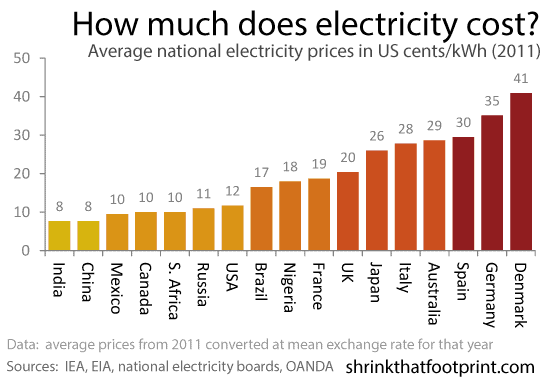
It's worth noting that the cost of 1 kWh isn't static; it loves to play hide-and-seek! It varies wildly depending on where you live – electricity prices in California might be very different from those in Texas or even a different country. You might also encounter different pricing structures: some areas have tiered pricing, where the more electricity you use, the higher the rate per kWh becomes. Others have time-of-use (TOU) rates, meaning electricity is cheaper during "off-peak" hours (like late at night) and more expensive during "peak" times (when everyone's using it). Some providers even offer "green" or renewable energy tariffs, where you might pay a slight premium to support clean energy sources.
Must Read
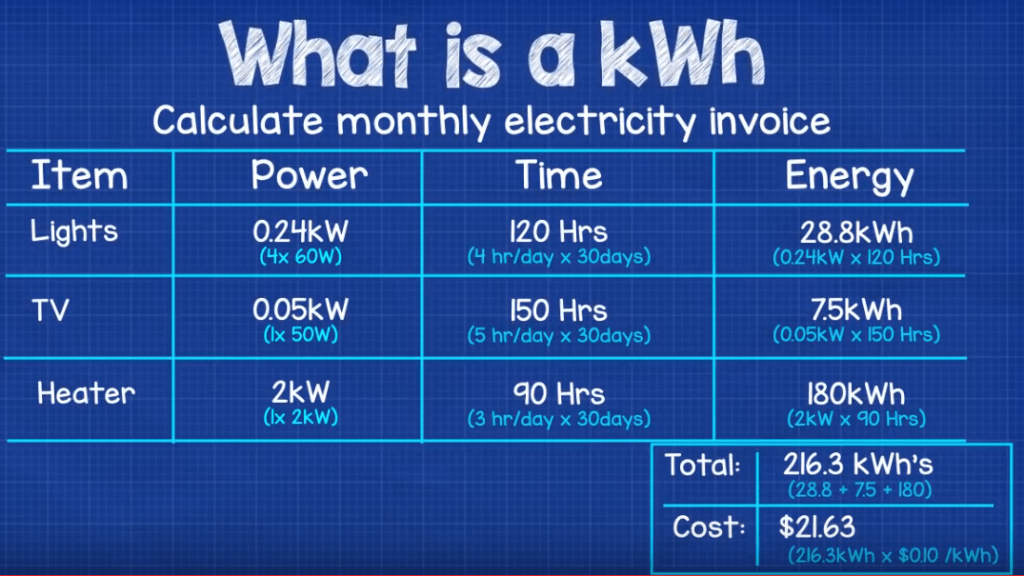
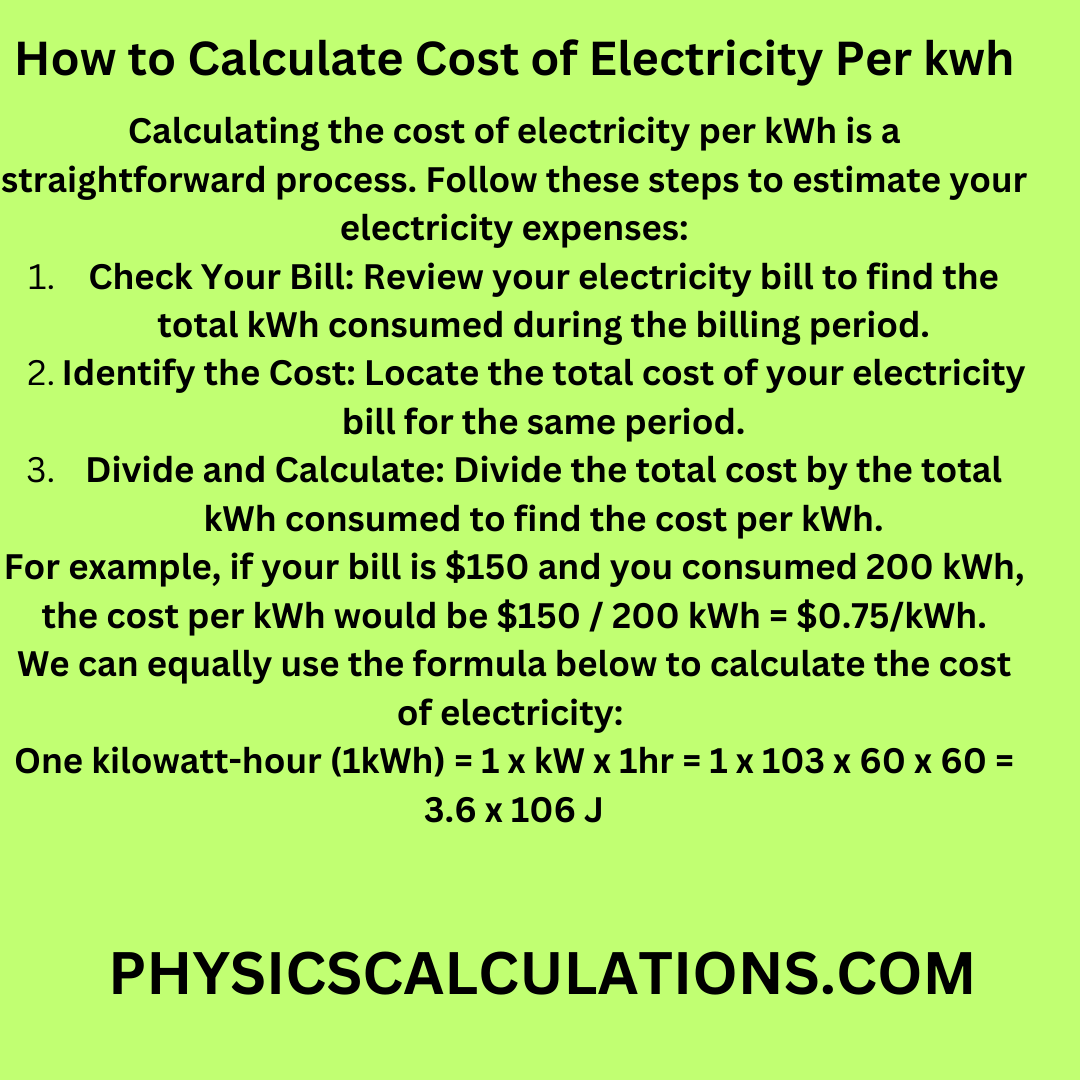
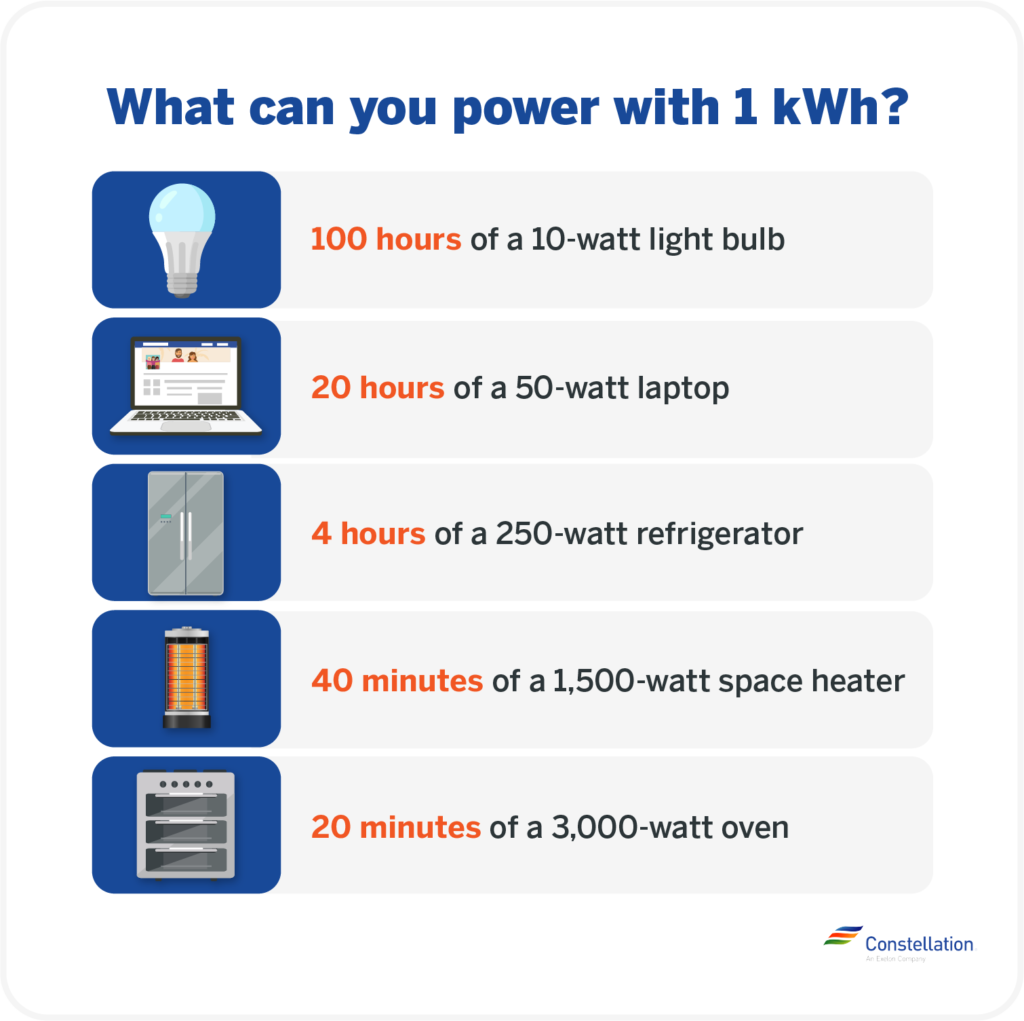
Ready to get started? It's easier than you think! First, find your current rate. It’s usually listed clearly on your electricity bill or readily available on your electricity provider's website. Look for the "cost per kWh" or "delivery charge" related to consumption. Once you have that number, you can start doing some simple math. For example, a 100-watt light bulb running for 10 hours uses (100 watts / 1000) * 10 hours = 1 kWh. Multiply that by your cost per kWh, and voilà! Want to get really hands-on? Grab an inexpensive "kill-a-watt" meter. You plug an appliance into it, and it tells you exactly how much electricity that device is using. Then, apply that magic formula: (Appliance wattage / 1000) * hours used * cost per kWh. Simple, practical tips include unplugging electronics when not in use (phantom load!), switching to LED light bulbs, using smart thermostats, and washing laundry during off-peak hours if you have TOU rates. These small changes can add up to significant savings.
Ultimately, understanding the cost of 1 kWh of electricity isn't just about pinch-penny budgeting; it's about gaining a more intuitive connection to how energy flows through your home and life. It transforms a faceless utility bill into an opportunity for control, awareness, and smarter living. It’s a small piece of knowledge that offers big returns, making you a more informed and empowered energy consumer every single day.