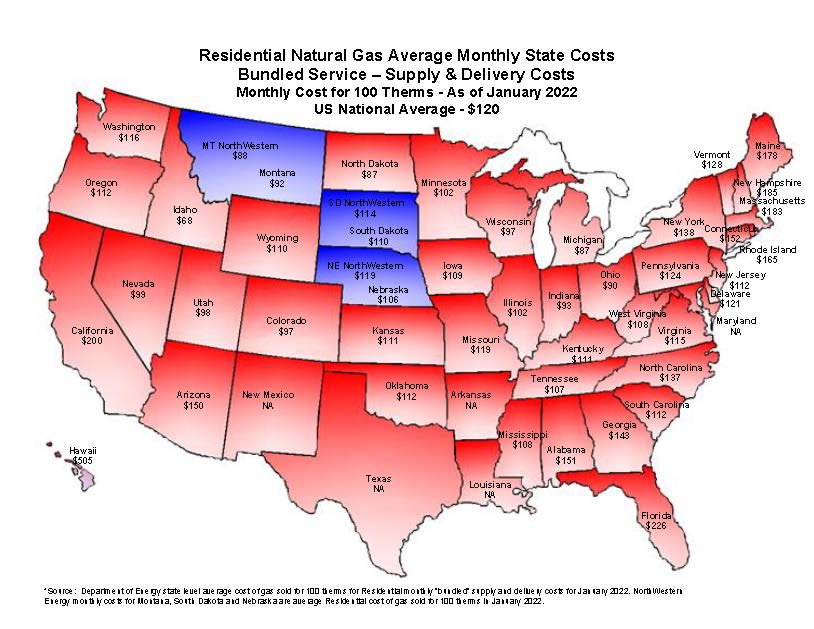
Compare Natural Gas Rates Massachusetts
Ever found yourself bundling up a little extra indoors, or maybe just eyeing your monthly utility bill with a slight grimace, especially during a typical Massachusetts winter? Well, you’re not alone! Our homes are cozy havens, warmed by natural gas for heating, cooking, and hot water. But have you ever paused to think about where that gas comes from, beyond the pipe leading into your basement, and if you’re getting the best deal for it?
That's where the idea of comparing natural gas rates in Massachusetts gets really interesting, and dare I say, a little fun! It's not just about saving a few bucks (though that's a pretty great perk!). It's about understanding a part of our daily lives that often feels opaque, and realizing that we, as consumers, might have more power and choice than we initially thought. Think of it like shopping for groceries or internet plans – you wouldn't just grab the first option, would you? Why should your home's energy be any different?
The primary purpose of diving into gas rate comparisons is simple: to help you make a more informed decision about who supplies the natural gas to your home. The benefits are quite clear: the most immediate is the potential for savings on your monthly bill, freeing up cash for other things (like more cozy blankets!). Beyond that, it offers a sense of consumer empowerment. You're not just passively accepting a default rate; you're actively engaging with the market. It also fosters a better understanding of how your energy bill is structured, separating the fixed "delivery" charges from the variable "supply" charges.
Must Read
In our daily lives, this understanding can play out in various ways. Imagine you're discussing household budgets with your family or roommates; knowing you can shop for gas supply adds a new layer to financial planning. You might have seen mailers or online ads from different energy suppliers – now you'll have the context to understand what they're offering. In an educational sense, comparing rates is a fantastic real-world lesson in market economics, supply and demand, and consumer advocacy. For students, it could be a practical exercise in personal finance, demonstrating how small decisions can lead to significant long-term savings.
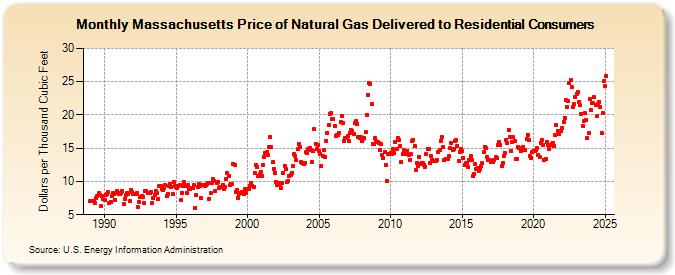
So, how do you actually start exploring this world of natural gas rates? It's simpler than you might think! First, grab your most recent natural gas bill. You'll typically see a breakdown that separates the "delivery" charges (what your local utility, like Eversource or National Grid, charges to bring the gas to your home) from the "supply" charges (the actual cost of the gas itself). While delivery charges are fixed by your local utility, the supply portion is where you have a choice! A great next step is to visit the Massachusetts Department of Public Utilities (DPU) website. They often have a list of licensed natural gas suppliers and their current rates, making it easy to compare the basic service rate offered by your utility against competitive options.
When you're comparing, pay close attention to the terms: are the rates fixed or variable? Fixed rates offer stability, while variable rates can fluctuate with the market. Also, look out for any early termination fees or introductory rates that might jump significantly after a few months. Don't feel pressured to switch immediately; take your time to read reviews and understand the contract. It's about making a choice that feels right for your home and your budget. With a little curiosity and a few clicks, you might just find a more comfortable rate for your cozy Massachusetts abode!