
Command For Network Configuration
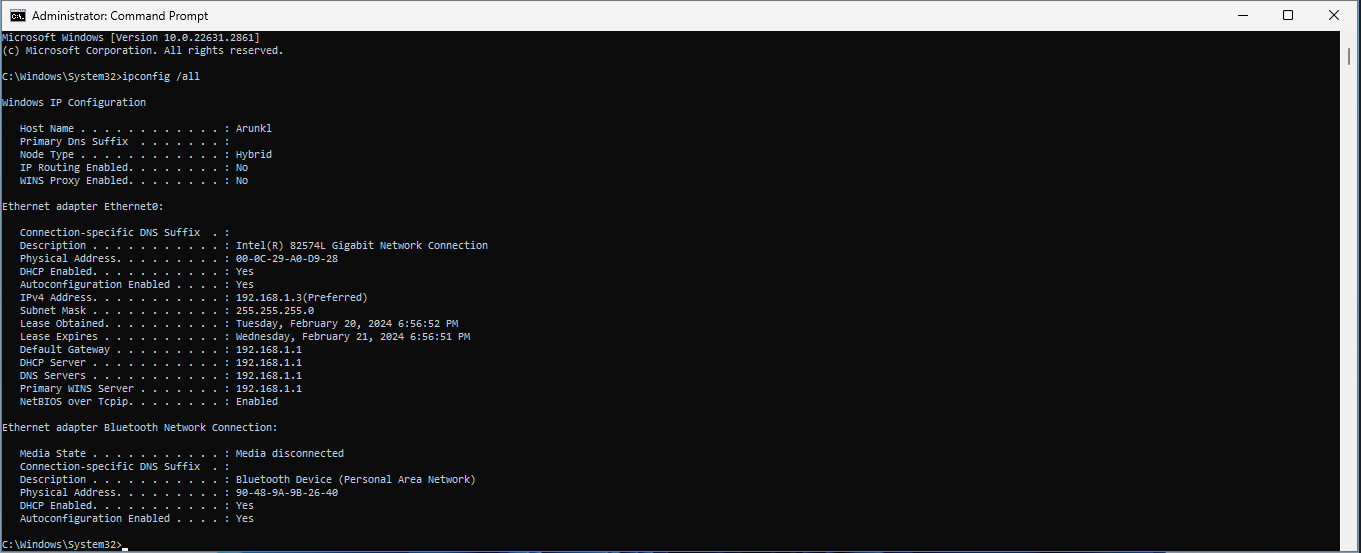
Let's talk about network configuration. Yes, that thing that makes your internet work... sometimes.
I have a confession. I kind of enjoy messing with network settings. There, I said it. Don't judge me! Some people find it terrifying. But I think it's like a digital puzzle.
And the key to this puzzle? The command line, of course! Specifically, the command for network configuration. You know, that one.
Must Read
The Command Line: Friend or Foe?
Okay, I get it. For many, the command line is the stuff of nightmares. Black screen, white text. It feels like you're about to accidentally launch a nuclear missile.
But hear me out. It's not that scary. Think of it like a really efficient way to talk to your computer. No more clicking through endless menus! Just a quick command and BAM! Done.
Especially when we're talking about your network. GUI tools are fine, sure, but sometimes they feel… clumsy. Like trying to eat soup with a fork.
That's where the command for network configuration shines. It's precise. It's powerful. And, dare I say, it's kinda fun once you get the hang of it.

My Unpopular Opinion: GUI is Overrated
Okay, here's where I might lose some of you. But I'm going to say it anyway. I think graphical user interfaces (GUIs) for network configuration are overrated.
Gasp! I know! But think about it. How many times have you clicked through a settings panel only to find the option you need buried three layers deep?
Or worse, the setting is just… missing! Like the GUI designers forgot it existed. Now you're stuck Googling for a solution. And guess what that solution usually involves? You guessed it! The command line!
With the command for network configuration, everything is right there at your fingertips. No hidden menus. No cryptic icons. Just raw, unadulterated power. And a bit of syntax, of course.
I'm not saying GUIs are completely useless. They're great for beginners. But once you've dipped your toes into the command line waters, you'll never go back. Okay, maybe sometimes. But you'll secretly prefer the command line.
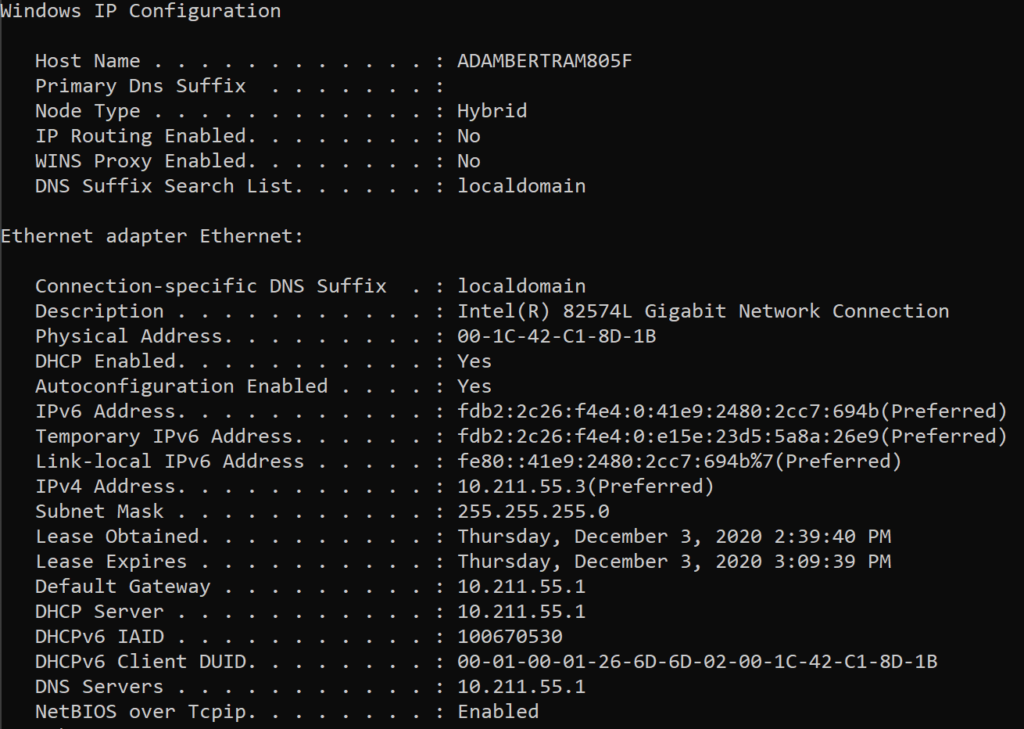
Embrace the Power of the Terminal
So, what's the takeaway here? Don't be afraid of the command line! Especially when it comes to your network. It's not some mystical art reserved for tech wizards. It's a tool, and a pretty darn useful one at that.
Plus, let's be honest, typing in a complicated command to configure your network makes you feel like a hacker in a movie. Even if you're just changing your DNS server. It's cool, right?
Start small. Learn a few basic commands. Experiment. Break things (but not too badly!). You might be surprised at how quickly you pick it up.
And who knows? You might even start enjoying it. You might even start preferring it. You might even become one of those people who sneer at GUIs. Okay, maybe don't sneer. But you'll understand.
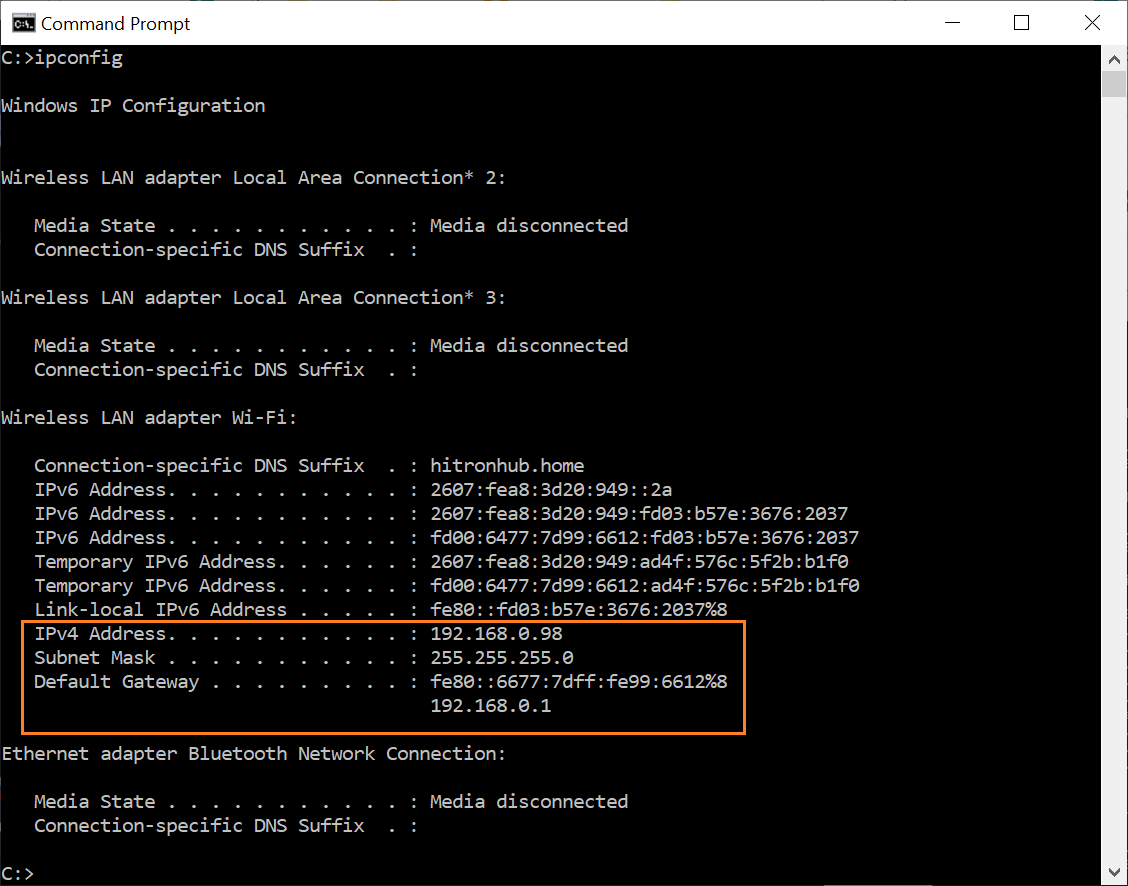
So, go forth and conquer your network! Armed with the mighty command for network configuration, you'll be unstoppable. (Well, maybe not unstoppable. But you'll be able to change your IP address, at least.)
And remember, if you ever get stuck, Google is your friend. Just be prepared to wade through a lot of forum posts and Stack Overflow answers. But that's half the fun, right?
And if all else fails, you can always reboot your router. Because sometimes, that's all it takes. Don't tell anyone I said that.
Just promise me you'll give the command line a try. You might just find that it's your new favorite way to configure your network. And if not, well, at least you can say you tried. And you learned something new. And you probably had a good laugh along the way.
Now go forth and network! And may your packets always arrive on time.
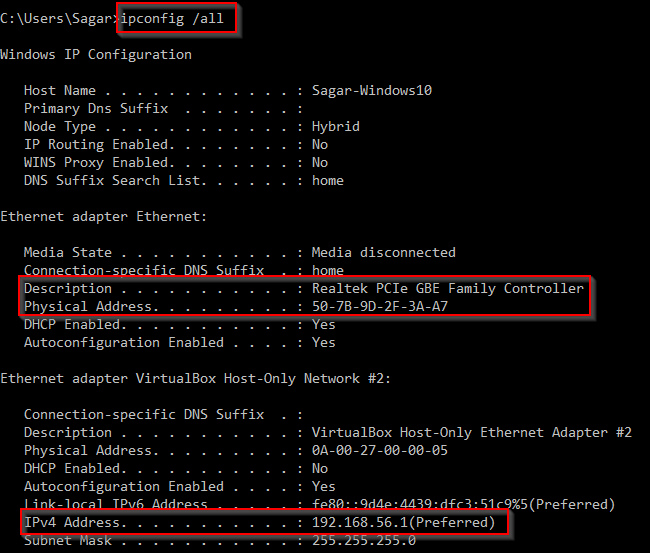
Bonus tip: Learn the man pages for your commands. They are your best friend. (And also sometimes your worst enemy, because they can be incredibly dense. But still, read them!)
I find it's quite funny to read the output of arp -a, seeing all the devices that are trying to talk to me.
I have another confession to make, I secretly love reading documentation from RFCs, you can learn so much with them.
And lastly, using tcpdump is also quite fun, imagine capturing packets of data to read? Quite fascinating!