
Combined Smoke Alarm And Carbon Monoxide
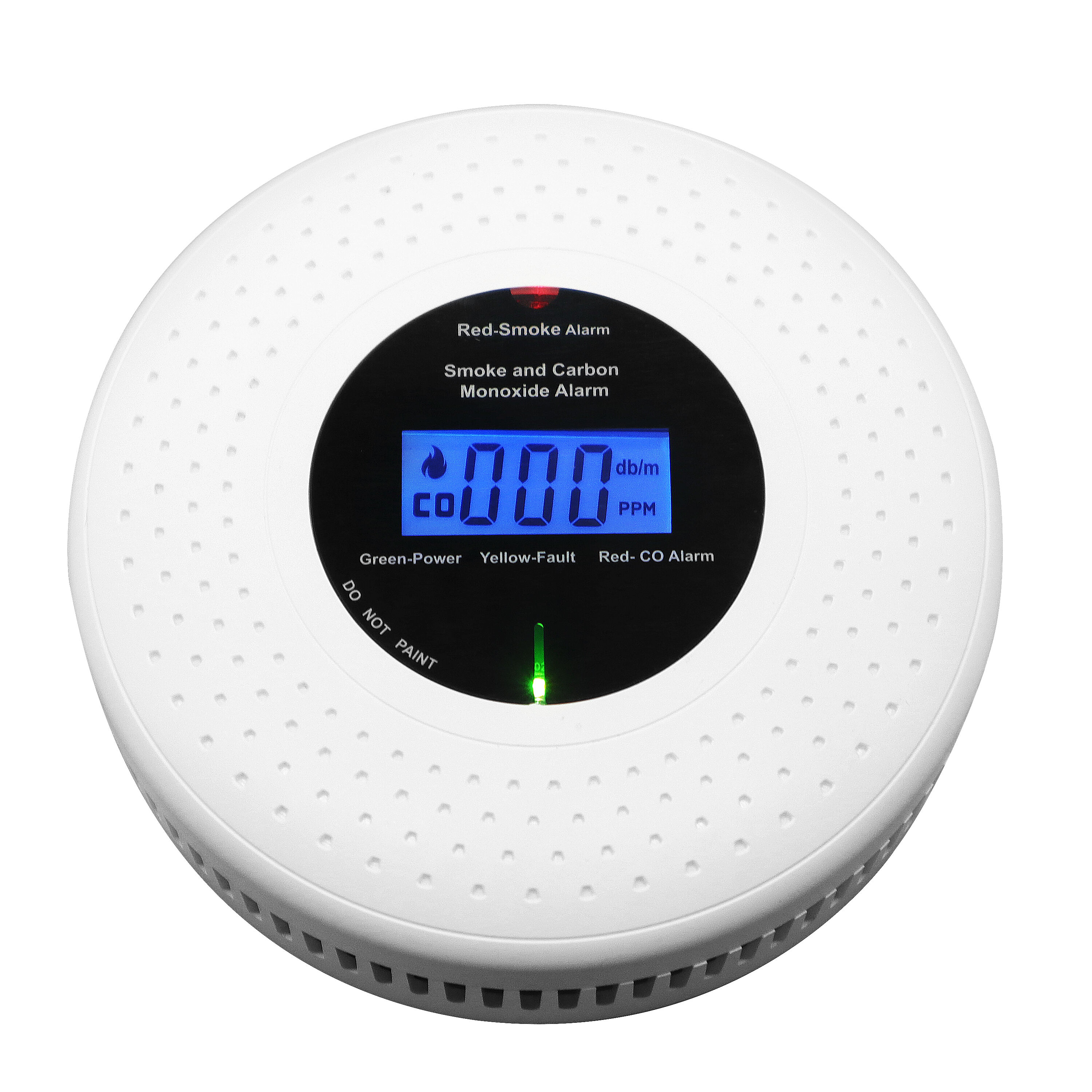
Alright, pull up a chair, grab your imaginary latte, because I’ve got a story for you. It’s a story about two invisible villains, one very loud hero, and the peace of mind that’s cheaper than your monthly streaming subscription. We're talking about the dynamic duo of home safety: the combined smoke alarm and carbon monoxide detector. Yeah, I know, thrilling stuff, right? But trust me, this little gadget is the unsung hero of not ruining your day (or your life).
The Classic Villain: Fire (and My Burnt Toast)
Let's start with the OG bad guy: fire. We all know fire. We’ve all, probably, experienced the heart-stopping panic of a smoke alarm going off because you dared to make toast. Or, in my case, because a rogue crumb decided to start its own rebellion in the toaster oven. The smoke alarm, bless its shrieking heart, is there to warn us when things are getting a little too toasty, a little too fiery, a little too "oh my god, my curtains are not supposed to be orange."
It’s the first line of defense against turning your cozy abode into a dramatic scene from a movie – minus the cool special effects and the heroic firefighter with a six-pack. Without it, you’re basically playing a very dangerous game of "guess that smell" where the grand prize is... well, you don't want the grand prize.
Must Read
The Stealthy Assassin: Carbon Monoxide
Now, let’s talk about fire’s far more insidious cousin, the ninja of home hazards: carbon monoxide. This guy is a real jerk. Why? Because it’s a colorless, odorless, tasteless gas. It's the ultimate incognito villain. You can’t see it, you can’t smell it, you can’t taste it, but it sure as heck can incapacitate and even kill you.
Think of it as the silent party crasher that slowly poisons all your guests. It comes from everyday things: your furnace, your water heater, your stove, a blocked chimney, even your car idling in the garage (don't do that, seriously!). What makes it so sneaky is that its initial symptoms – headache, nausea, dizziness – often mimic the flu. So, you might just think you’re having a bad day, when in fact, you’re slowly being suffocated at a cellular level. Spoiler alert: not a good time.
This is where the fear turns real. A fire gives you a fighting chance; a blast of smoke and that ear-splitting alarm tells you to scram. Carbon monoxide, however, just lulls you into a false sense of security while it quietly steals the oxygen from your blood. It’s literally called the "silent killer" for a reason. No dramatic sirens, just a slow fade to black. Terrifying, right?
Enter the Superhero: The Combined Detector!
So, you’ve got two major threats: one loud and fiery, the other quiet and deadly. What’s a homeowner to do? Buy two separate devices and clutter up your ceiling like a confused constellation? Nah, that’s just inefficient! This is where the combined smoke and carbon monoxide detector swoops in, cape flapping majestically (if it had a cape, which it doesn't, it’s a detector, calm down).
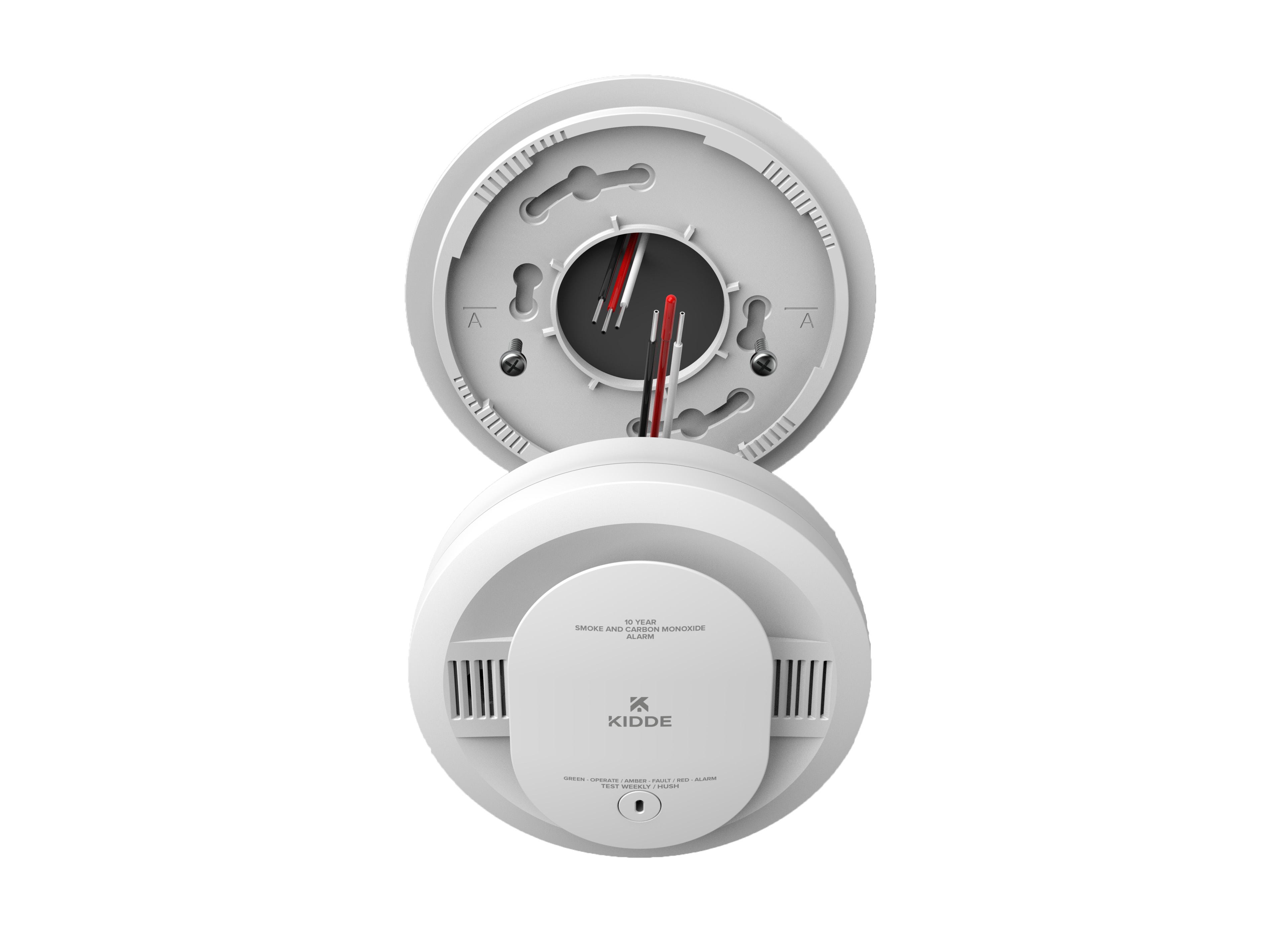
This single, sleek (or at least, sleek-ish) unit is like the Batman and Robin of home safety, rolled into one neat package. It has sensors for both smoke particles AND carbon monoxide. So instead of needing an alarm for your burnt popcorn and a separate one for your silently leaking furnace, you get one device doing double duty. It’s efficient, it’s smart, and it saves you from needing to do mental gymnastics about which alarm goes where. Plus, fewer holes in your ceiling! Win-win-win!

Where to Put Your New Best Friend (and How to Keep it Happy)
Now, where do these magical guardians belong? Think of them like tiny, vigilant sentinels. You want one on every level of your home, including the basement. And critically, you need one near or inside every sleeping area. After all, if the silent killer strikes while you're dreaming of winning the lottery, you want it to wake you up before you become part of the grim statistics. We're aiming for sweet dreams, not permanent ones!
Maintenance is surprisingly simple, too. Most modern units come with a test button. Push it once a month! It’ll let out a satisfying (or terrifying, depending on your jumpiness) chirp to let you know it’s alive and ready to scream if needed. And those batteries? Most combined units now have 10-year sealed batteries, so no more frantic 3 AM battery changes. But if yours takes regular batteries, make it a habit to change them twice a year – maybe when daylight saving time rolls around. It’s a great reminder, like a tiny, high-pitched New Year's resolution for your home safety.
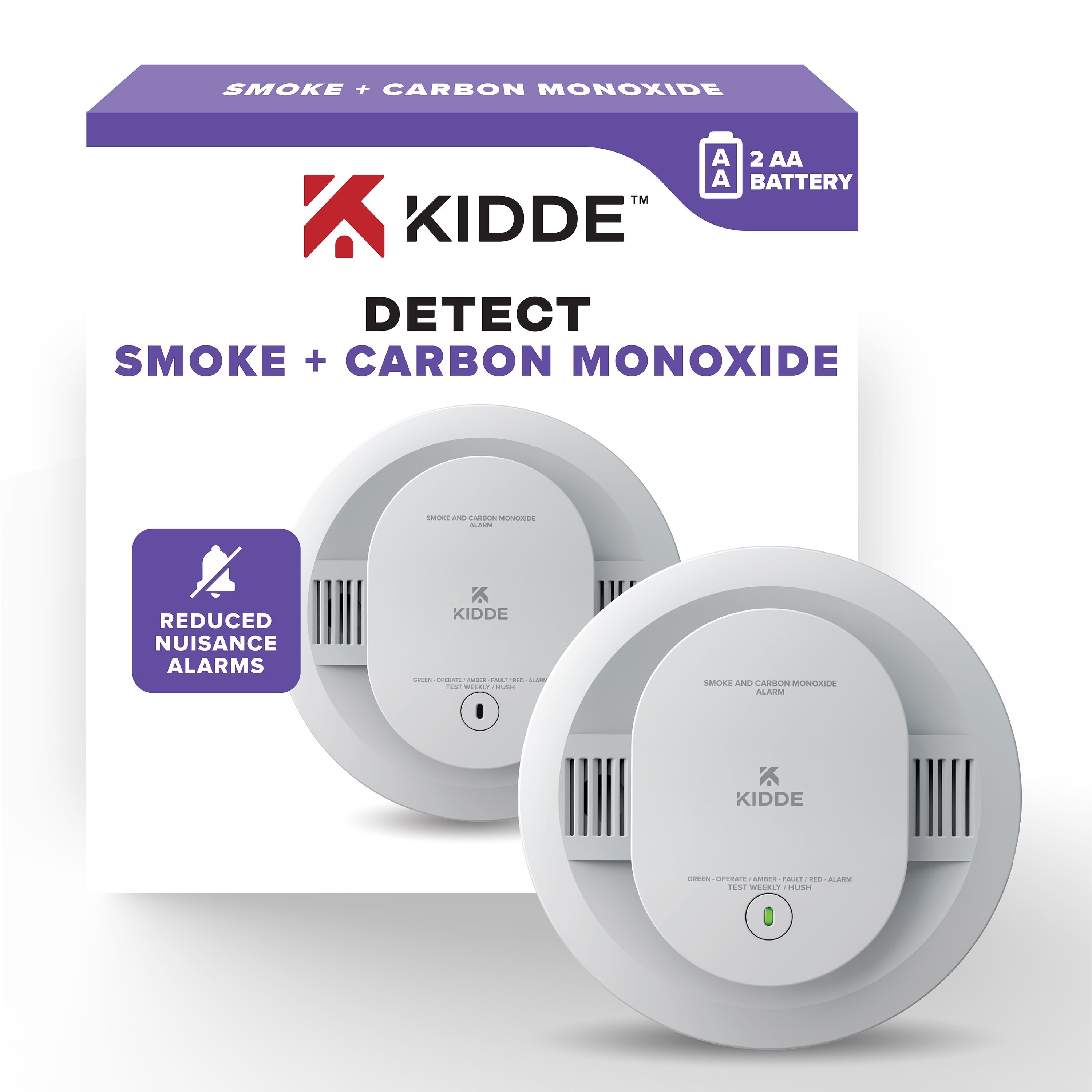
Also, these gadgets don't last forever. They have a lifespan, usually around 7-10 years. Mark it on your calendar! After that, their sensors can start to get a bit… senile. So, retire your old hero and bring in a fresh recruit. It’s a small investment for something that protects your most valuable assets: your family and your sanity.
The Punchline: Peace of Mind
So, there you have it. The combined smoke and carbon monoxide detector. It’s not flashy, it won’t win any beauty contests, but it’s arguably one of the most important pieces of equipment you can have in your home. It’s like a tiny, vigilant bodyguard that never sleeps, never complains, and only makes noise when it genuinely needs to save your bacon (literally, sometimes!).
Investing in one (or several!) of these isn't just about ticking off a safety box; it's about buying peace of mind. It’s knowing that while you’re asleep, or busy binge-watching that new show, your home has its own personal early warning system for the things that really matter. So go forth, get protected, and enjoy that imaginary latte, knowing your home is a little bit safer thanks to this unassuming superhero.
