
Class Of Fire Extinguisher For Kitchen
Hey there, kitchen wizard!
Ever found yourself whipping up a culinary masterpiece, maybe a sizzling stir-fry or some glorious golden fries, and thought (hopefully not in a panic!), "What if things get a little... fiery?" You're not alone! While we all hope our kitchen adventures remain deliciously uneventful, knowing a little something about fire extinguishers is like having a secret superpower. And trust me, it's way easier (and less sticky) than trying to put out a grease fire with water. Spoiler alert: Don't do that!
So, let's chat about fire extinguishers for your home kitchen, specifically the different "classes" of fire they tackle. Think of it like knowing which superhero is best for which villain. You wouldn't send Captain America to fight a giant robot if Iron Man's armor was built for it, right? Same logic here!
The Main Fire Types You'll Meet (and a few you probably won't in your kitchen)
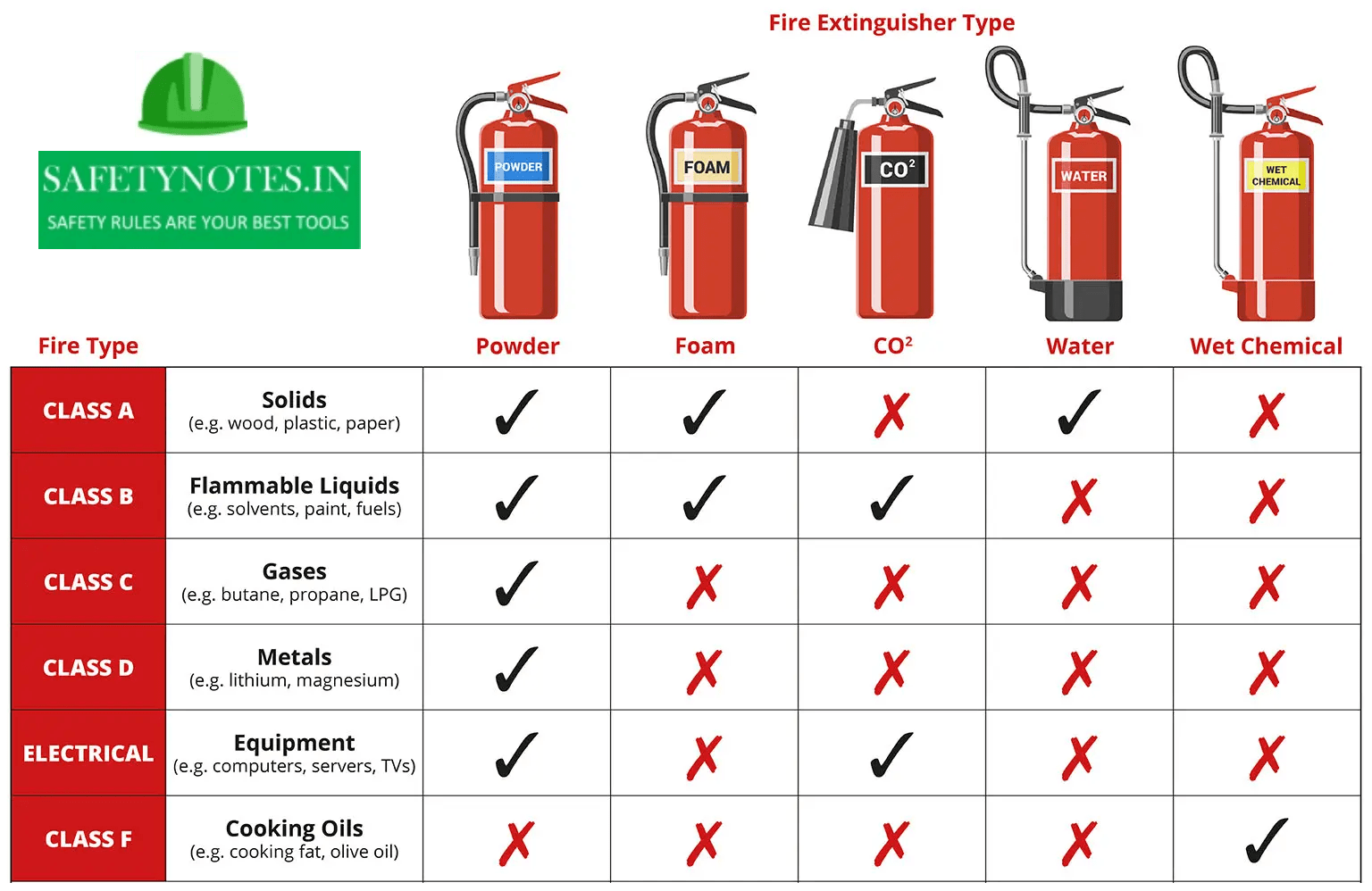
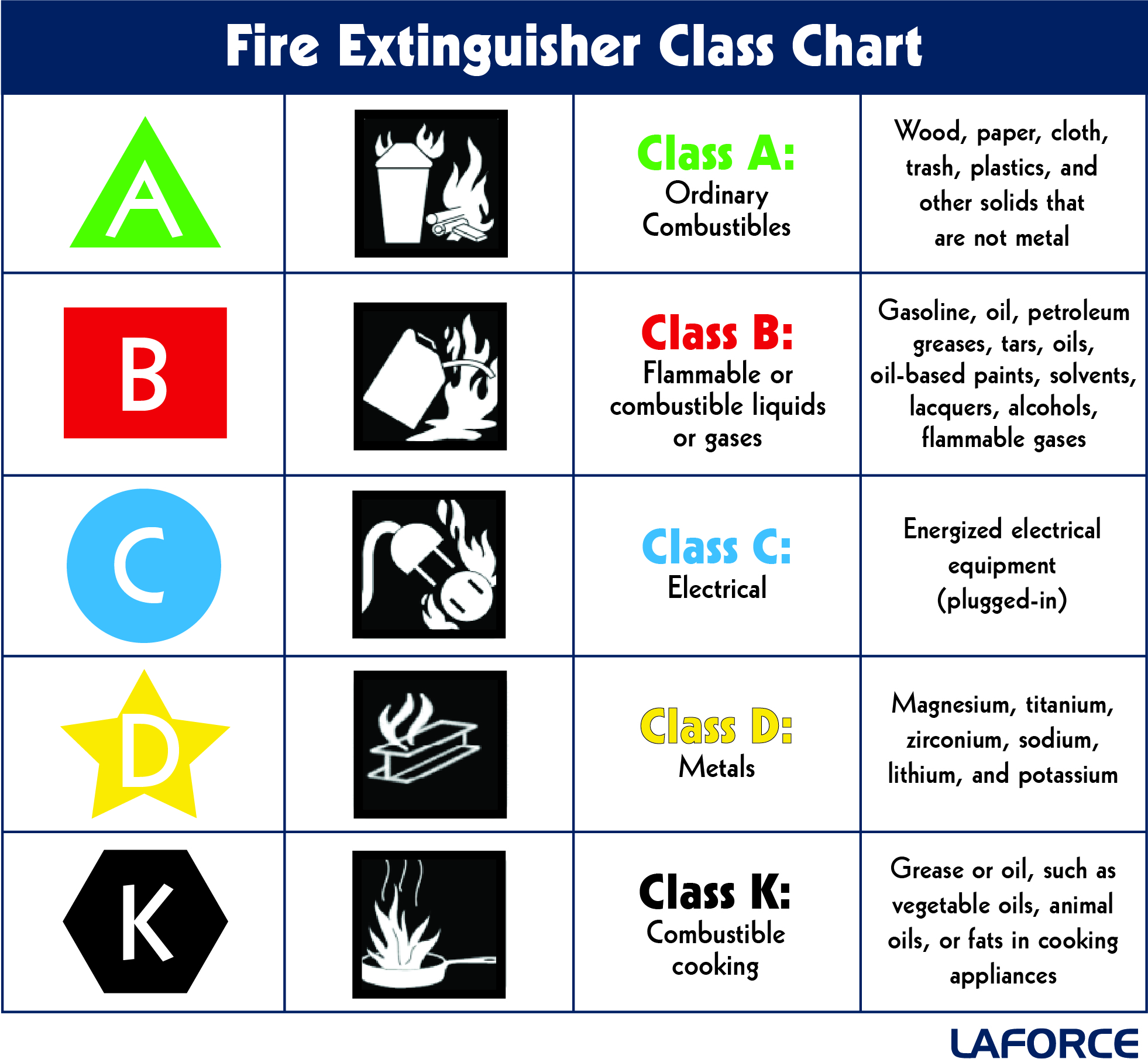
Fire extinguishers are categorized by the type of fuel they're designed to put out. Here's the rundown, nice and easy:
Must Read
Class A Fires: The "Ordinary Combustibles" Crew
This is your everyday stuff – paper, wood, cloth, plastic. Basically, anything that leaves an ash. Think of a stack of old newspapers or that lovely fabric napkin catching a spark. Most common fires fall into this category. They're usually put out by cooling the fuel, often with water or a chemical that absorbs heat.
Class B Fires: The "Flammable Liquids" League
These are fires involving things like gasoline, oil, paint, propane, or other flammable liquids and gases. In your kitchen, this might be a bottle of cooking oil or alcohol that's decided to party a little too hard. These fires are extinguished by smothering them, cutting off the oxygen supply.

Class C Fires: The "Electrical Buzz" Brigade
Oh boy, electricity! These fires involve live electrical equipment. A frayed cord, a faulty appliance, or overloaded circuits can all spark a Class C fire. You absolutely do not want to use water on these, as electricity and water are a very shocking (and dangerous!) combination. These extinguishers work by interrupting the electrical current or by displacing oxygen.
Class D Fires: The "Metal Meltdown" Mavericks
These are fires involving combustible metals like magnesium, titanium, potassium, and sodium. Fun fact: You almost certainly won't find these chilling in your kitchen, unless you're a super secret mad scientist chef. So, we'll give them a polite wave and move on.
Class K Fires: The "Kitchen King" Crew (Our Star!)
And now, for the main event! Class K fires are specifically for cooking oils and fats. We're talking about vegetable oil, animal fats, deep fryers – basically, anything that makes your french fries taste amazing but can also reach extremely high temperatures when it catches fire. This class is crucial for commercial kitchens, but increasingly recommended for home kitchens too!
So, Which Extinguisher for Your Kitchen?
Alright, personal chef, let's get down to brass tacks. For your home kitchen, you've got a couple of strong contenders, but one really shines:
The ABC Extinguisher: The All-Rounder Buddy
A multi-purpose ABC extinguisher is a very popular choice for homes because it tackles Class A (paper, wood), Class B (flammable liquids), and Class C (electrical) fires. It’s like the Swiss Army knife of fire safety – good for many common household blazes. If you have one of these, you're off to a great start!

However, while an ABC can technically put out a small cooking oil fire, it's not its specialty. It might make a massive mess and could even cause the hot oil to splatter, spreading the fire. Yikes!
The Class K Extinguisher: The Kitchen Superhero!
This is where the magic happens for kitchen-specific fires. A Class K extinguisher uses a special wet chemical agent that creates a foamy blanket over burning oils, cooling them down and preventing reignition. It's super effective against those high-temperature grease fires that Class B extinguishers might struggle with. If you do a lot of deep-frying or serious stovetop cooking, a Class K extinguisher is your absolute best friend.
Our Recommendation: For the ultimate peace of mind in the kitchen, a dedicated Class K extinguisher is the gold standard. But if that's not feasible, an ABC is a good baseline to have for general home safety.

Hold On, There's More!
Just having the right extinguisher isn't enough, my friend! Here are a few bonus tips:
- Location, Location, Location: Keep your extinguisher in an easily accessible spot, but not right next to the stove. You don't want to reach over flames to grab it! A cabinet near the kitchen exit is ideal.
- Know Your P.A.S.S.: This is the famous acronym for using an extinguisher: Pull the pin, Aim at the base of the fire, Squeeze the handle, Sweep side to side. Practice it (mentally, of course!).
- When in Doubt, Get Out: If a fire is larger than a small wastebasket, spreading rapidly, or you're unsure, evacuate immediately and call emergency services. Your safety is always priority #1!
- Prevention is Key: Don't leave cooking unattended, keep flammable items away from heat, and clean up grease spills promptly. An ounce of prevention is worth a pound of extinguishing agent!
Wrapping It Up!
See? Fire safety isn't scary science fiction; it's just smart common sense, sprinkled with a little extinguisher knowledge. Now you're equipped to make an informed decision and keep your kitchen safe while you whip up those delicious meals. Knowing you have the right tool for the job can make all the difference, letting you focus on the joy of cooking, not the "oh no!" moments.
So go forth, culinary champion, and cook with confidence! May your meals always be delicious, your kitchen always safe, and your fire extinguisher always a silent, ready guardian. You've got this!