Chirping Smoke Alarm After New Battery
Ah, the sweet symphony of a newly quiet home. You’ve just performed the noble deed of replacing the battery in that incessantly chirping smoke alarm. You stand back, chest puffed out, ready for uninterrupted slumber or a peaceful afternoon. Then, just as you're settling in, a faint, rhythmic… chirp. Your heart sinks. It's back. Or rather, it never truly left. You put in a brand-new battery, so what gives?
This, my friend, is a common domestic dilemma, a silent (well, not so silent) assailant of peace, often striking in the dead of night. It’s like a tiny, persistent cricket with an agenda, reminding you that even the simplest fixes can have their own quirky plot twists. But fear not, this isn't a sign that your home is haunted or that you're somehow cursed by household appliances. There are perfectly logical (and solvable!) reasons for this post-battery encore.
Why the Chirp Persists: Decoding the Beep
You'd think a fresh battery would silence the alarm instantly, right? Sometimes, however, the chirping isn’t just about low power; it’s about a few other things your smoke alarm wants to tell you, often in its most annoying voice.
Must Read
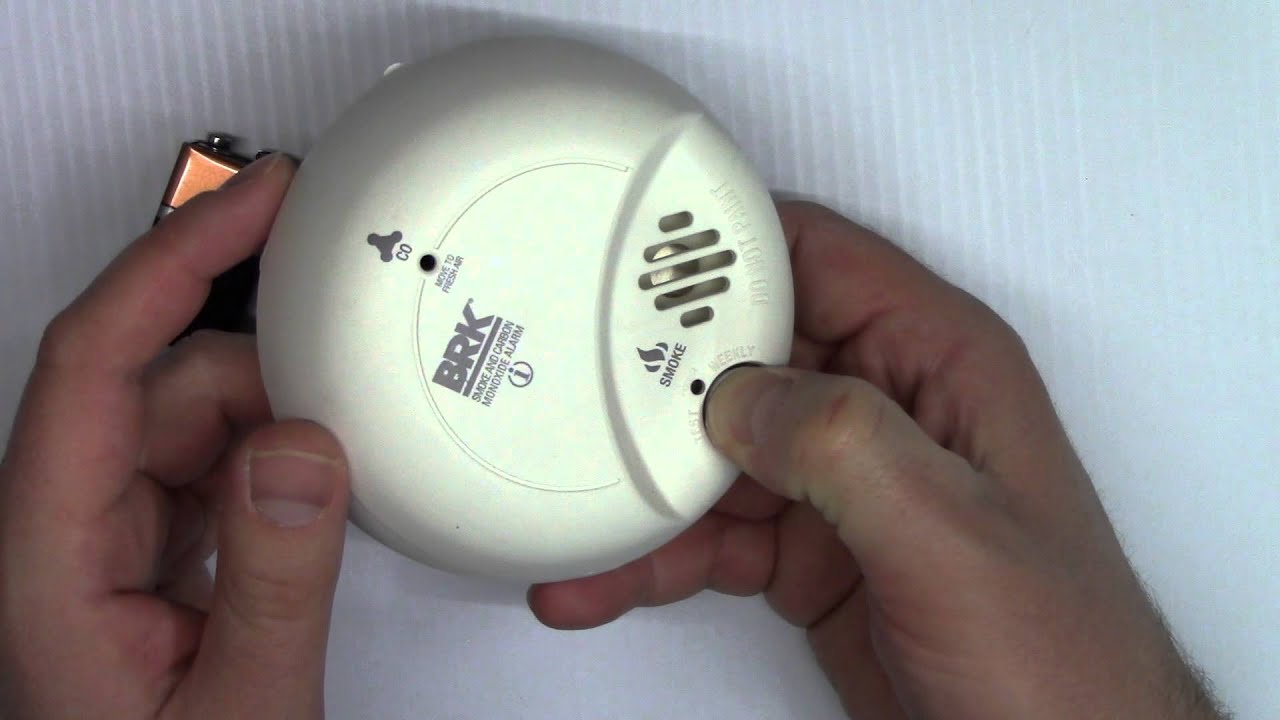
1. The Reset Ritual: This is probably the most common culprit. When you change the battery, the alarm's internal capacitor (which stores a tiny bit of charge) might still register a low-power state for a short while. To truly reset it, you often need to go a step further. Remove the new battery, then press and hold the test button for 15-20 seconds. This drains any residual power and gives the alarm a clean slate. Reinsert the battery, and a single beep should confirm its new, silent lease on life.
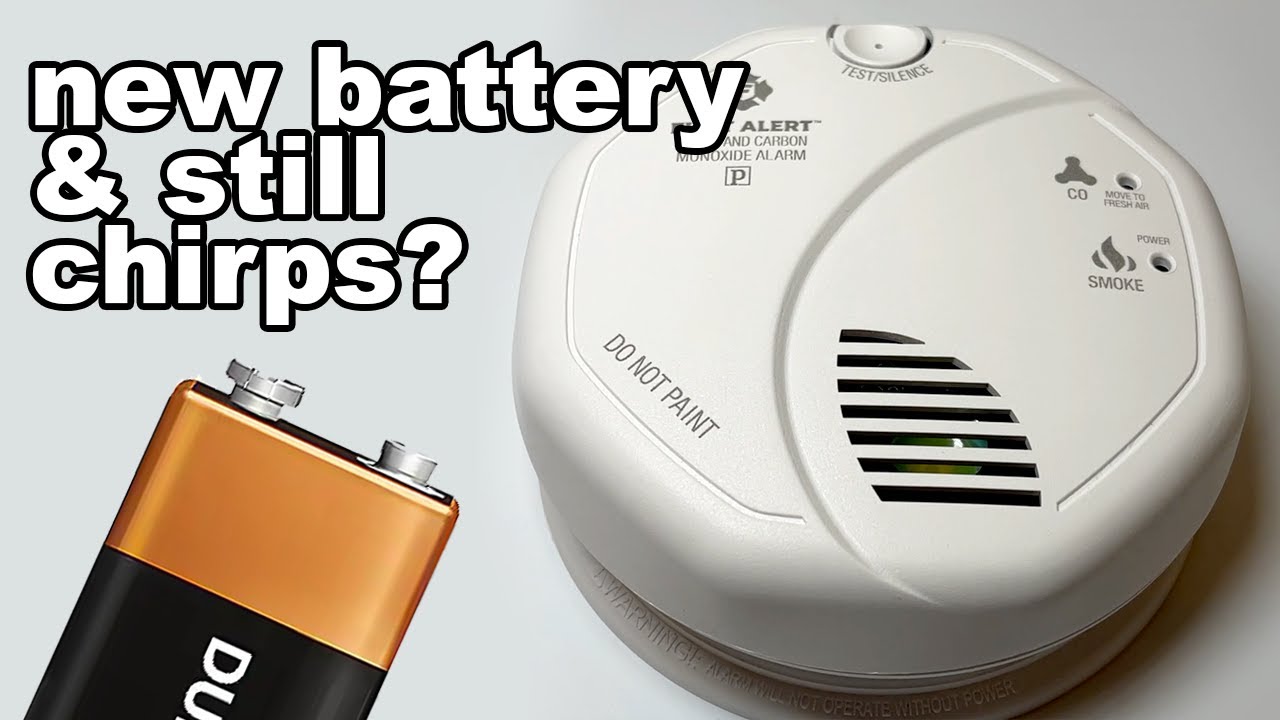
2. It's Not the Battery, It's… the Battery: Yes, even new batteries can be duds. They might have sat on a shelf for too long, or perhaps you grabbed a rechargeable one by mistake. Smoke alarms typically prefer alkaline batteries for consistent power delivery. Double-check the expiry date on your new battery, and if in doubt, try another fresh one from a different pack. It’s a little like dating; sometimes you just need to try another option!
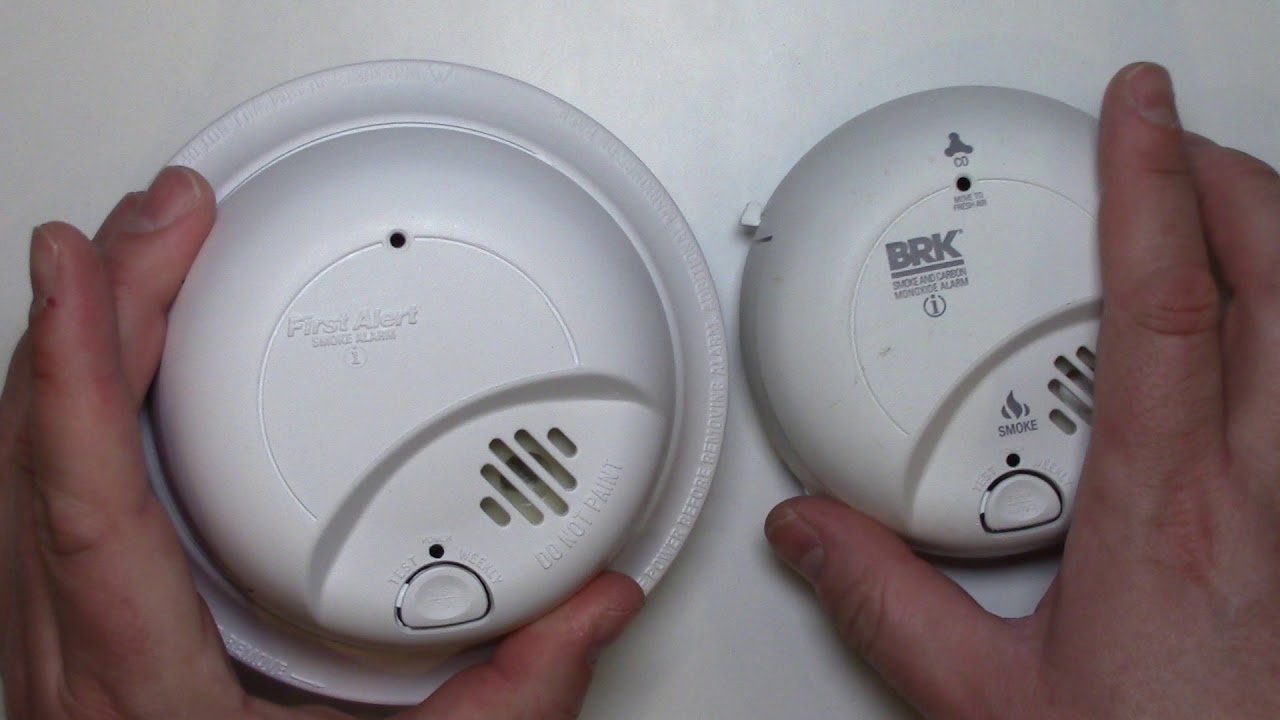
3. Dust Bunnies & Sensors: Our trusty smoke alarms are always on guard, which means their sensors can get a bit muddled by dust, cobwebs, or even tiny insects. This interference can trigger false alarms or, you guessed it, those annoying chirps. A quick clean can often work wonders. Power down the unit (remove the battery), then gently use a vacuum cleaner hose or a can of compressed air to clear out any debris from the vents. Think of it as a spa day for your alarm.
4. The Age Factor: This is a big one. Most smoke alarms have a lifespan of about 10 years. After a decade, the internal components can degrade, making the unit less reliable and prone to false alarms or constant chirping, even with a fresh battery. This isn't just an inconvenience; it's a safety issue. Check the back of your alarm; there's usually a manufacture date. If it’s over 10 years old, it’s time for a complete replacement of the unit, not just the battery. Think of it as retiring an old, faithful guardian for a well-deserved rest.
5. Location, Location, Location: Sometimes, environmental factors like extreme humidity, very cold temperatures (if installed in an uninsulated garage, for example), or proximity to cooking fumes (if it’s too close to the kitchen) can confuse the sensors. While less common, it’s worth considering if your alarm is in an unusual spot. They prefer a stable, temperate environment, just like us!
The Peace of Mind Payoff
Once you’ve wrestled with your chirping alarm and emerged victorious, the silence that follows is truly golden. It’s not just about getting rid of an annoying sound; it's about restoring a sense of calm and security to your living space. Smoke alarms are unsung heroes of home safety, silently standing guard against unseen dangers. Ensuring they're functioning correctly and not just making noise is paramount. After all, a genuinely quiet alarm is a happy, working alarm.
Remember, these small acts of home maintenance—like tending to a stubborn smoke alarm—contribute to the overall harmony and safety of our daily lives. They remind us that sometimes, the solution isn't just about throwing a new battery at the problem, but understanding the intricate dance of circuits and sensors. So, next time that chirp starts, you’ll be armed with knowledge, ready to reclaim your peace and quiet. Here's to silent nights and safe homes!