
Charcot Marie Tooth Hereditary Neuropathy Market
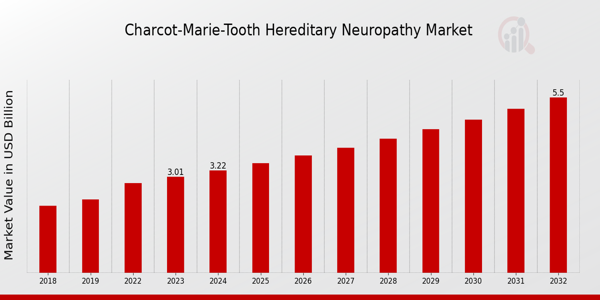
Ever tripped over your own two feet, even when you're just standing still? Or maybe you know someone who seems to have perpetually weak ankles? While clumsiness can be a common trait, sometimes it's a sign of something more – possibly a condition called Charcot-Marie-Tooth (CMT) hereditary neuropathy.
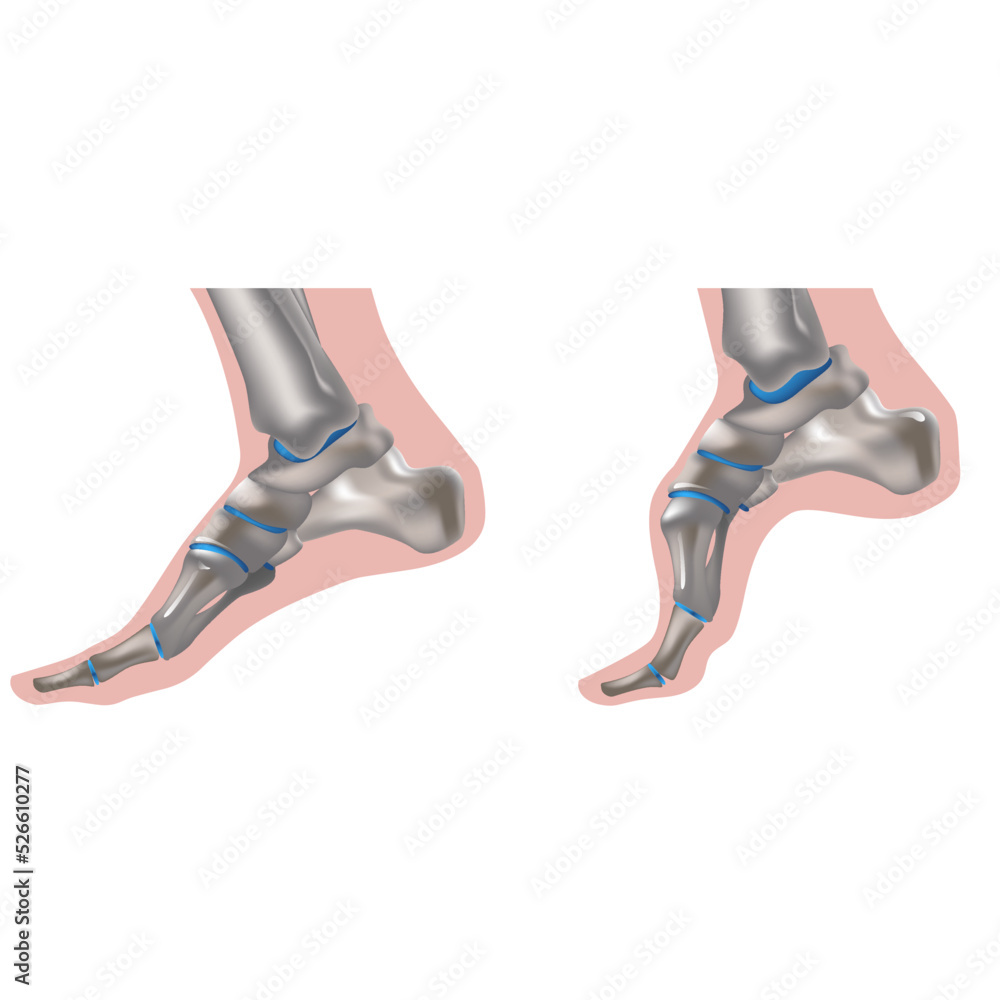
Now, "Charcot-Marie-Tooth hereditary neuropathy" is a mouthful, right? Let's break it down. Think of it like this: imagine your nerves are like electrical wires, carrying signals from your brain to your muscles. CMT is like having those wires slightly frayed or damaged. This damage impacts how well those signals travel, leading to muscle weakness and sensory loss, mainly in the feet and legs, but it can affect other areas too.
So, why should you care about the market surrounding CMT hereditary neuropathy? Well, let's put it this way. Imagine your favorite app is glitchy. You'd want the developers to fix it, right? Similarly, people living with CMT want and deserve better treatments and support. The "CMT hereditary neuropathy market" refers to all the companies, researchers, and resources dedicated to developing these solutions.
Must Read
What Exactly is the CMT Market?
Think of the CMT market as a vibrant ecosystem. It includes:
- Pharmaceutical companies working on new drugs and therapies. Imagine them as the chefs cooking up new recipes for feeling better!
- Biotech firms exploring cutting-edge technologies like gene therapy. They're the mad scientists of the medical world, pushing the boundaries of what's possible.
- Medical device companies creating assistive devices like braces and specialized shoes. They're the handy toolmakers helping people navigate daily life.
- Research institutions and universities conducting studies to better understand CMT. They are the detectives, solving the mysteries of the disease.
This "market" also includes the advocacy groups, support networks, and individuals who are actively pushing for more research, awareness, and access to care. They are the cheerleaders, keeping the spirit alive and the focus on what truly matters: the well-being of those affected.
Why the Buzz? The Growing Need for Solutions
The CMT market is gaining traction, and here's why. CMT is surprisingly common, affecting an estimated 1 in 2,500 people. That’s like finding at least one person with CMT in almost every other high school! Despite this, many people with CMT go undiagnosed or misdiagnosed for years. Imagine constantly feeling unsteady, a little weaker than everyone else, and not knowing why. That's the reality for many individuals before diagnosis.
The lack of effective treatments is another driver. Currently, there's no cure for CMT, and treatment focuses on managing symptoms. Physical therapy, occupational therapy, braces, and pain management are all crucial, but they don’t address the underlying cause of the disease. Think of it as putting a band-aid on a leaky pipe – it helps temporarily, but you eventually need to fix the pipe itself.
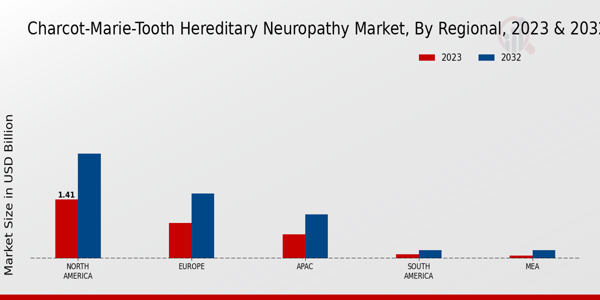
With increasing awareness, improved diagnostic tools, and advancements in genetic research, the demand for targeted therapies is skyrocketing. This creates a significant opportunity for companies to develop innovative treatments that can slow down disease progression or even reverse some of the damage. This is where the "market" steps in!
What Does This Mean for You?
Even if you don't have CMT or know someone who does, the growth of this market is relevant to everyone. Here's why:
- Innovation Spreads: Research in CMT can lead to breakthroughs that benefit other neurological disorders. Think of it as a domino effect – a discovery in one area can trigger progress in others.
- Economic Growth: A thriving CMT market creates jobs and attracts investment in research and development.
- Humanity: Supporting research and development for rare diseases like CMT reflects our shared commitment to improving the lives of others.
The CMT market is not just about profits; it's about progress, hope, and the unwavering pursuit of a better quality of life for people living with this challenging condition. By paying attention to this market, we are supporting the search for solutions and fostering a future where CMT doesn’t hold people back from living their fullest lives. So, the next time you hear about the CMT market, remember it's more than just numbers and figures. It's about real people, real struggles, and the real possibility of making a difference. It is about turning those frayed “electrical wires” into strong and reliable connections once more.

