
Change Battery In Hardwired Smoke Detector

Ah, the sound. Not a melodic birdsong, not the gentle hum of the refrigerator, but a sound that slices through the peaceful quiet of your home like a tiny, persistent needle: chirp. Pause. Chirp. You know it. We all know it. It’s the smoke detector, gently reminding you that somewhere, in the vast expanse of your ceilings, a little 9-volt battery is entering its twilight years.
But wait, you think. This isn't just any old smoke detector. This particular harbinger of low power is the kind that’s hardwired into your home’s electrical system. So, the question arises, often accompanied by a furrowed brow and a slow head tilt: "If it's hardwired, why on earth does it need a battery?!" It's like finding out your Tesla needs a gas tank for "backup" – completely counterintuitive, right?
The Chirp: A Symphony of Annoyance
Let's be honest, the initial phase isn't about understanding the intricacies of home electrical safety. It's about a desperate, often futile, hunt. You wander from room to room, ears perked, trying to pinpoint the exact location of that irritatingly intermittent sound. Is it the kitchen? No. The hallway? Maybe. The spare bedroom? Ah, no, that was just the cat batting at a dust bunny. The chirp plays hide-and-seek, and it always wins the first round.
Must Read
Finally, after what feels like an archaeological expedition into your own home, you pinpoint it. High on the ceiling, often in the most inconvenient spot, there it sits: the culprit. And then the realization hits: "Oh, it's one of those."
Wait, Hardwired? But... Battery?
Yes, my friend, even the hardwired ones need a battery. Think of it as the ultimate safety net for your safety net. The hardwired connection is its primary power source, always keeping an eye on things. But what happens if there’s a power outage? Boom! That little 9-volt (or sometimes AA, depending on the model) swoops in like a superhero in a cape, ensuring your smoke detector still functions when the lights go out. It’s a brilliant redundancy, even if it does cause us a moment of existential crisis every few years.

Gearing Up for Battle (or Just a Battery Swap)
So, you've identified the chirper. Now comes the next step: access. This usually involves a delicate dance with a step ladder, potentially a dining room chair, or if you're feeling particularly adventurous, a pile of old encyclopedias. Safety first, of course. Make sure your chosen ascent method is stable. We're changing a battery, not auditioning for Cirque du Soleil.
Before you climb, it’s a good idea to grab your replacement battery. Don’t get up there only to realize you’re out. That’s a "walk of shame" descent, an immediate re-ascent, and a general waste of perfectly good ladder time. Also, if you can, flip the breaker for that circuit. It’s a hardwired device, remember? A little electrical caution goes a long way. Better safe than sorry when you’re messing with wires, even if it's just to twist off a plastic cover.

The Great Un-Twist and Disconnect
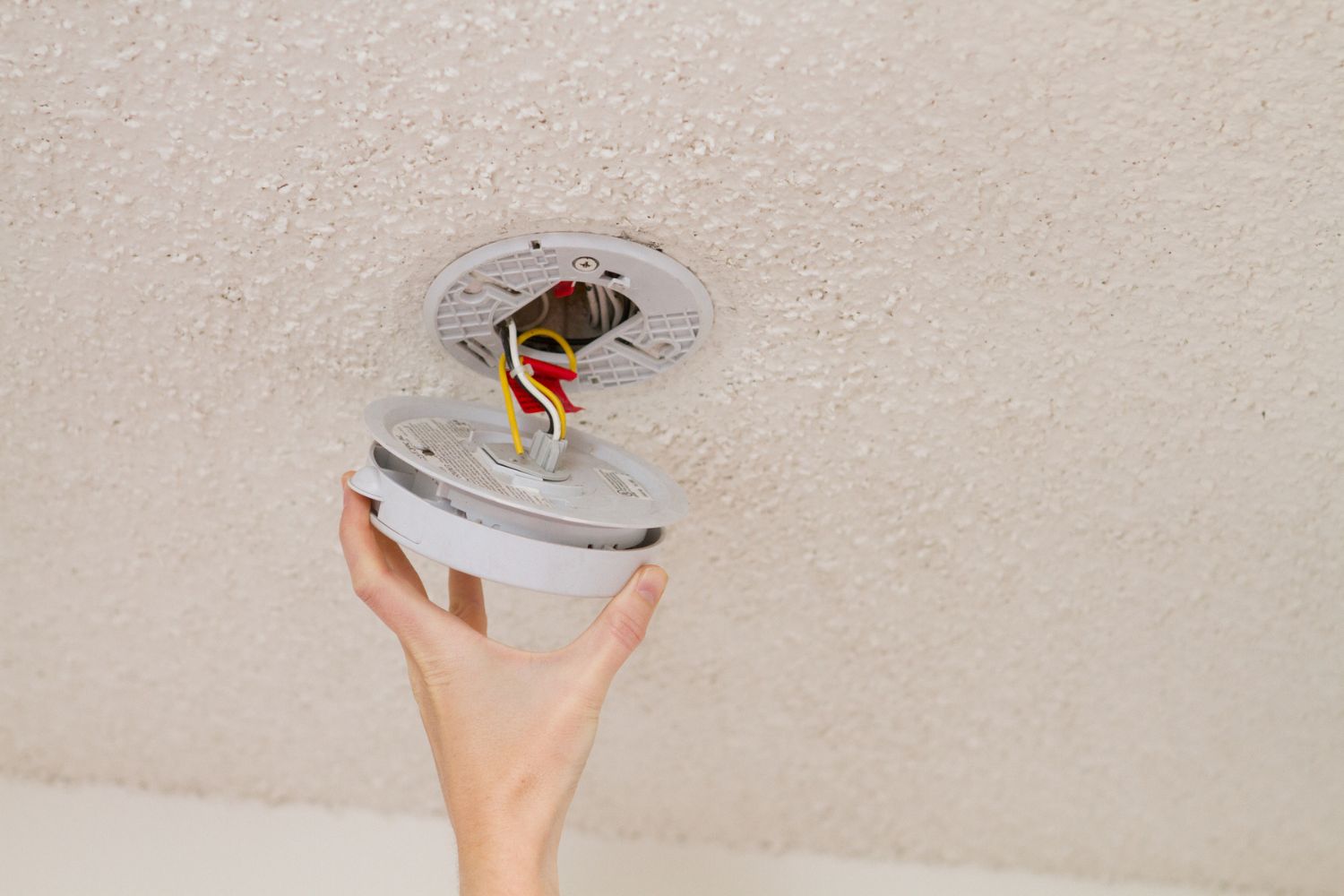
Once you’re eye-to-eye with the chirping menace, you'll notice it's typically attached to a base plate. Most models twist off counter-clockwise, like a stubborn jar lid. Give it a firm but gentle twist. It might resist a little; it's probably been up there for years, holding its ground.
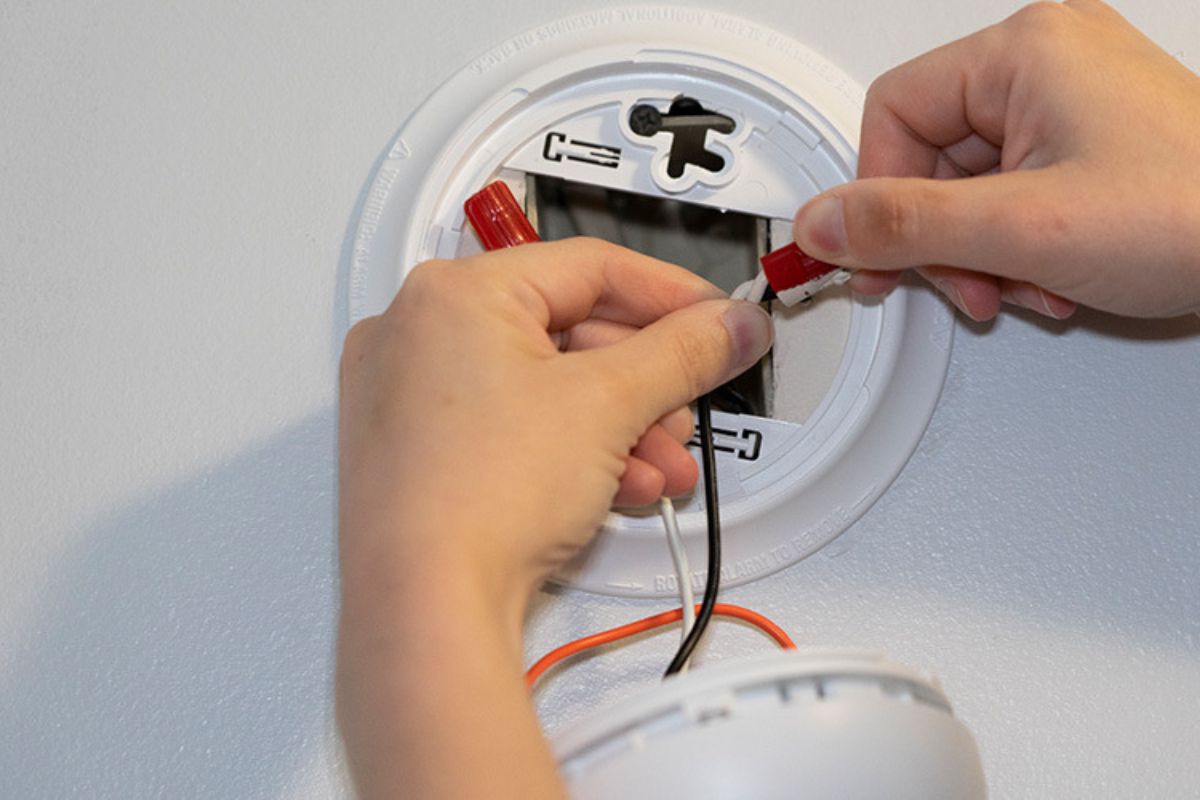
Once it twists free, it won't just drop into your waiting hands (unless you forgot to disconnect the power, in which case, maybe it will!). It’ll be tethered by a small wire harness connecting it to your home’s electrical supply. This harness usually has a quick-release plug. Gently press the tab and pull it apart. Now you have the detector safely in your hands, free to perform the battery surgery.
Flip it over, and you'll usually find a small compartment or cover. Pry it open, slide out the old, tired battery, and pop in the fresh one. Pay attention to the polarity, of course – positive to positive, negative to negative. It’s pretty standard stuff, but an upside-down battery is a useless battery.
The Swap: Mission Accomplished!
With the new battery gleaming inside, it’s time to reverse the process. Reconnect the wire harness – it usually only goes in one way. Climb back up your ladder, align the detector with its base plate, and twist it clockwise until it locks into place. You might hear a satisfying click or feel it settle firmly.
Now, the moment of truth. Go flip that breaker back on. Walk back into the room and listen. Is there silence? Glorious, beautiful silence? If so, congratulations! You’ve tamed the chirp beast!
As a final step, press the test button on the smoke detector. It should emit a loud, ear-splitting shriek. This is good! It means everything is working as it should be. It's like the detector's triumphant roar, letting you know it's ready to protect your home once more. And you, dear reader, are its silent hero.
The Sweet Sound of Silence (and Safety!)
Changing the battery in a hardwired smoke detector might seem like a small, insignificant task, but the peace of mind it brings is huge. No more intermittent chirps driving you slowly insane. No more worrying about what happens if the power goes out. You’ve tackled a common household annoyance and bolstered your home’s safety, all with a ladder, a new battery, and a little elbow grease.
So, the next time that tiny, irritating chirp starts its taunting melody, you'll know what to do. You'll smile, grab your ladder, and confidently tell that little detector, "I got this." Because you do. And that, my friend, is a pretty satisfying feeling.