
Castor Oil And Cayenne Pepper Benefits
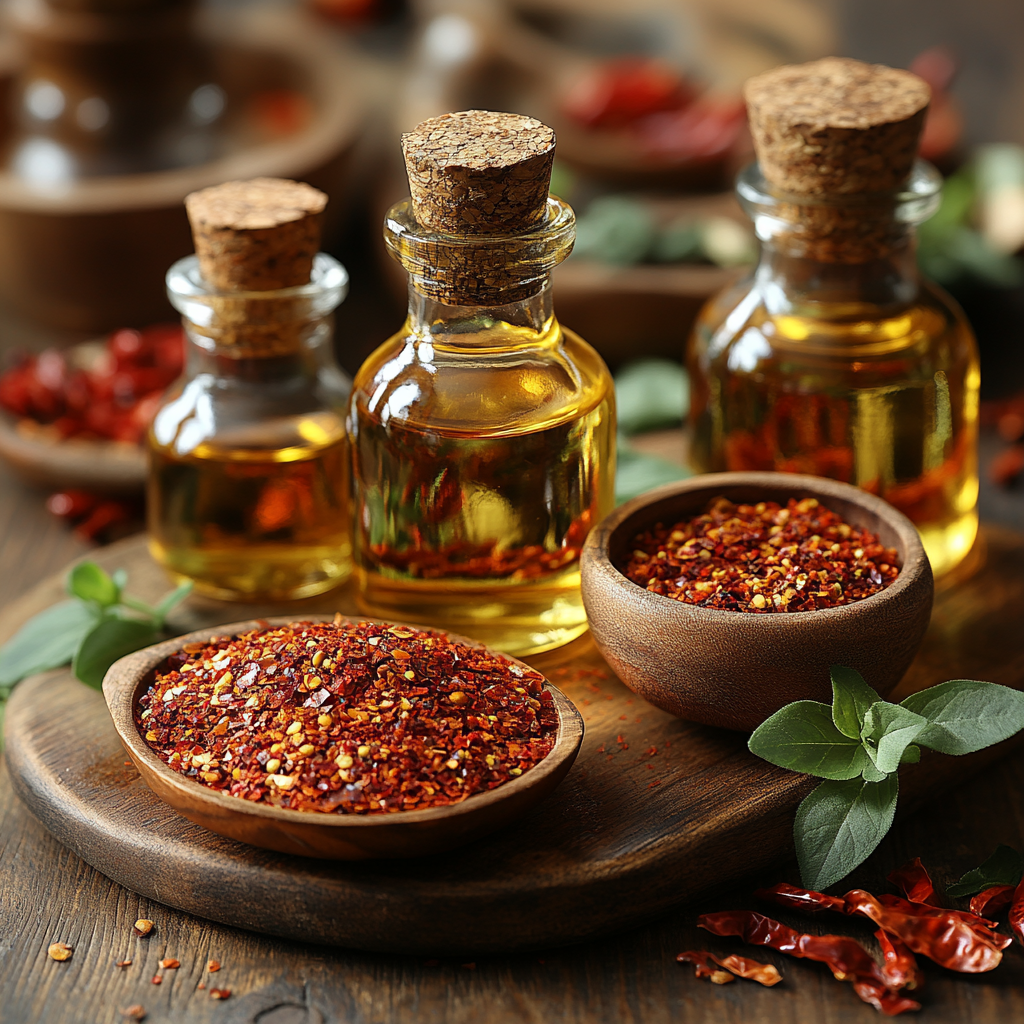
Okay, so you're intrigued by castor oil and cayenne pepper? Awesome! Buckle up, buttercup, because this combo is wilder than your grandma's garden gnome convention.
We're talking about two ingredients that sound like they belong in a potion cooked up by a mischievous forest elf. But trust me, there's some seriously intriguing stuff happening here.
Castor Oil: The Ancient Remedy...With a Backstory
Castor oil. It's thick. It's...unique. You probably remember your grandma trying to force a spoonful down your throat. But wait! Before you run screaming, let’s reconsider!
Must Read
This stuff isn't just for… well, ahem, moving things along. Historically, it's been used for everything! From ancient Egyptian beauty treatments to folk remedies for joint pain, castor oil has been around the block.
Fun fact: Cleopatra supposedly used castor oil to brighten the whites of her eyes. Talk about a bold beauty hack!
What's the deal? Well, castor oil is packed with ricinoleic acid. That’s a fancy way of saying it’s a fatty acid with potential anti-inflammatory and moisturizing properties. Think skin soothing and potential pain relief. Don't drink too much though!
You'll see it used on everything from dry skin and hair to even some, ahem, digestive challenges. It’s a real jack-of-all-trades.
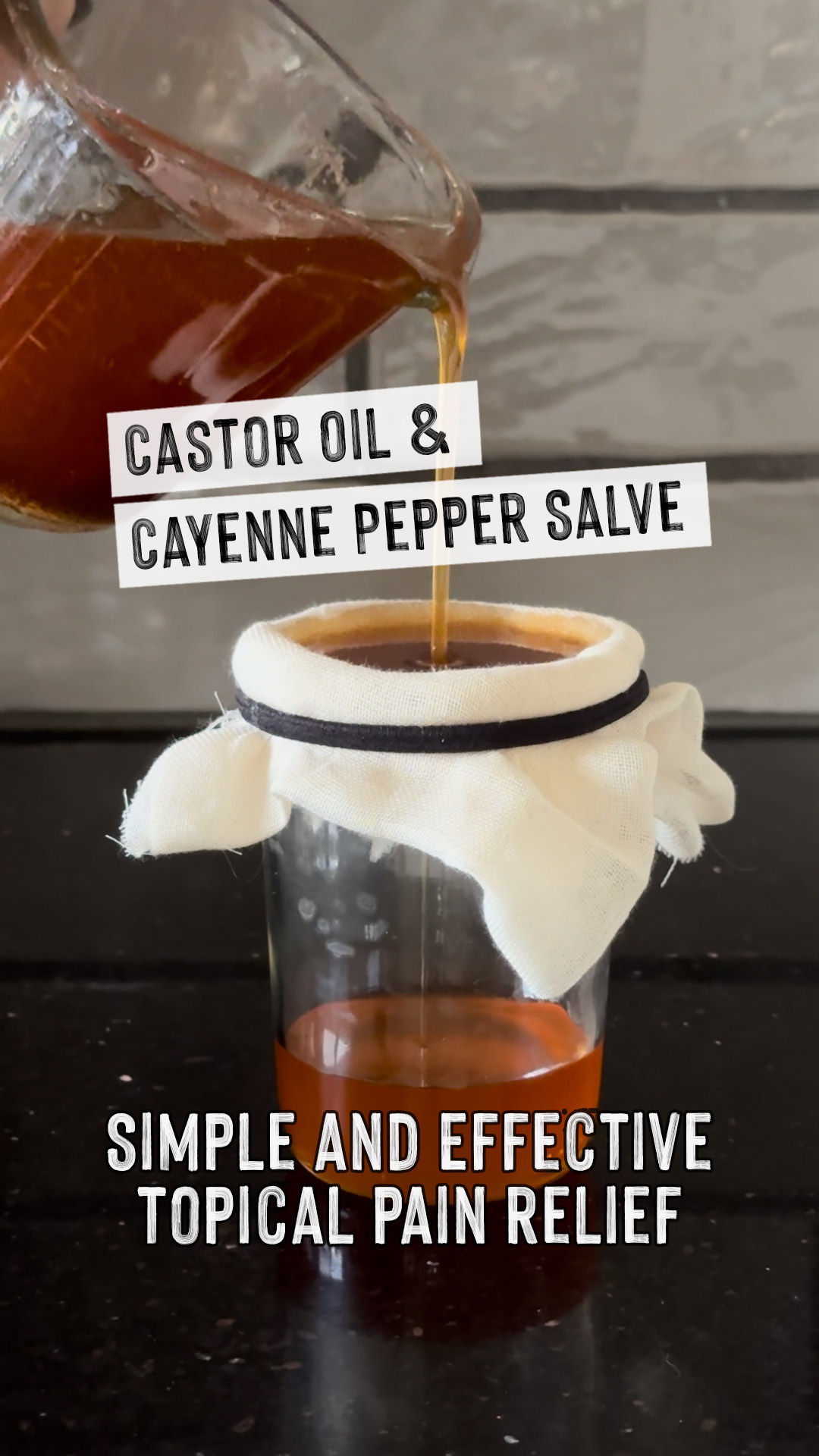
Cayenne Pepper: Spice Up Your Life (Literally!)
Now, let's crank up the heat! Cayenne pepper. It's fiery. It's bold. It's got a kick that could wake up a hibernating bear.
Beyond the spice, cayenne pepper is a treasure trove of capsaicin. Capsaicin is the compound that gives peppers their heat. It also has some interesting potential benefits.
Think temporary pain relief. Capsaicin can trick your brain into thinking about the burn instead of the underlying ache. It's like a spicy distraction! Some people swear by cayenne pepper creams and ointments for muscle soreness and joint pain.
Quirky fact: Birds aren't affected by capsaicin! That's why you can put cayenne pepper in birdseed to deter squirrels without hurting our feathered friends.
And get this! Some studies suggest capsaicin might even have a role in boosting metabolism. So, sprinkling it on your food could theoretically help you burn a few extra calories. (Don't quote me on that, though!).
The Dynamic Duo: Castor Oil and Cayenne Pepper Together
Okay, here's where things get interesting. Why combine these two unlikely companions?
Well, the theory is that the castor oil acts as a carrier, helping the capsaicin in the cayenne pepper penetrate deeper into the skin. Think of it as a super-powered delivery system.
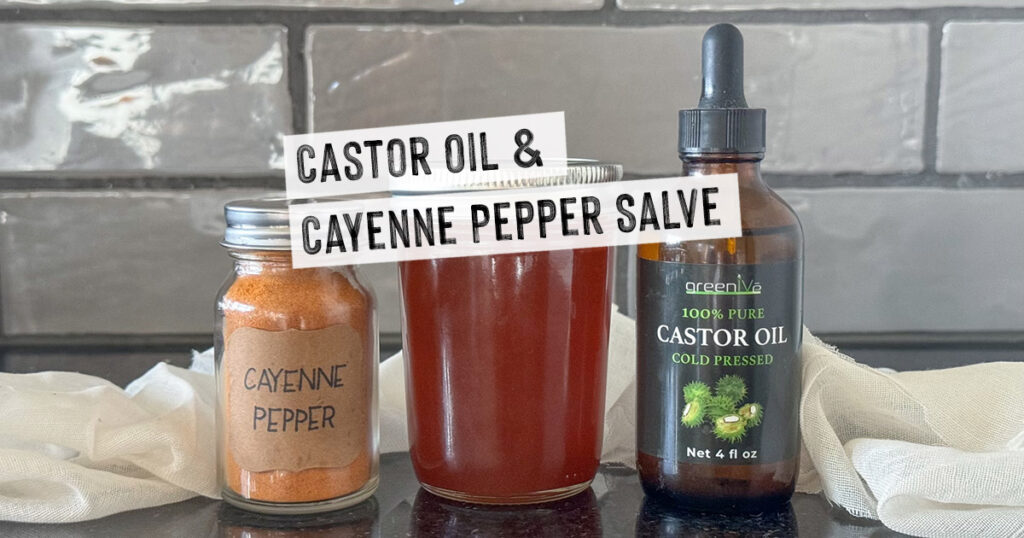
Some folks use this combination topically for joint pain, muscle aches, and even nerve pain. They mix castor oil with a pinch (seriously, a PINCH!) of cayenne pepper and apply it to the affected area. The castor oil moisturizes and potentially soothes, while the cayenne pepper provides temporary pain relief.
Important Note: This is not a miracle cure. It's a complementary therapy, meaning it might help alleviate symptoms, but it's not a substitute for professional medical advice. Always talk to your doctor before trying any new treatment, especially if you have any underlying health conditions.
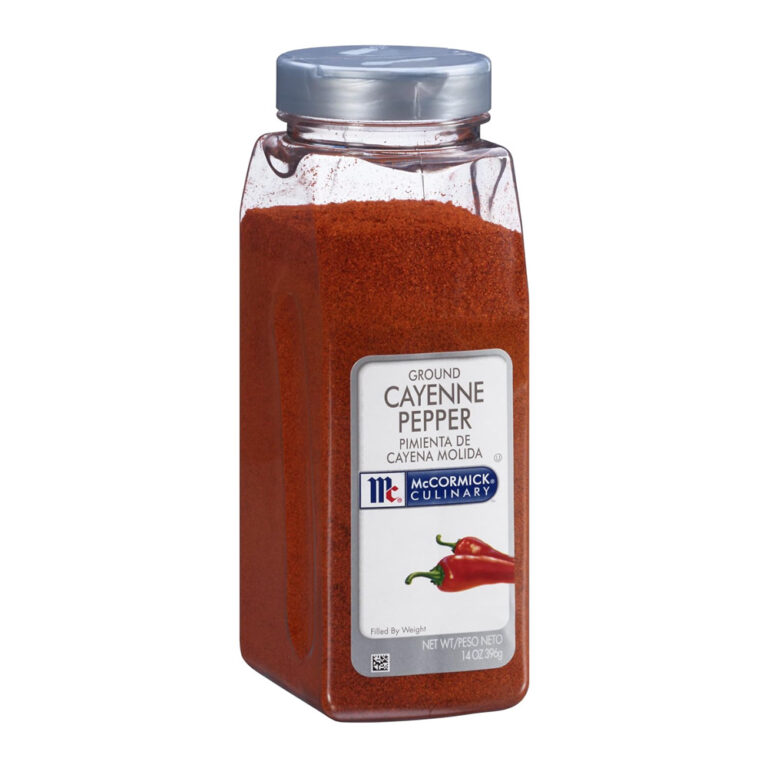
DIY Caution: Proceed With Caution!
If you're feeling adventurous and want to try this combo, PLEASE, for the love of all that is spicy, be careful!
Start with a tiny amount of cayenne pepper. Seriously, a speck. You can always add more (carefully!) later. Too much cayenne can cause a burning sensation that you won't soon forget.
Pro Tip: Wear gloves when handling cayenne pepper. Trust me, you don't want to accidentally rub your eyes afterward.
And always, always, always do a patch test on a small area of skin before applying it to a larger area. Wait 24 hours to see if you have any adverse reactions.

Funny Detail: Imagine accidentally getting this stuff in your eye! It's a scenario that belongs in a slapstick comedy. Let's avoid that, okay?
The Bottom Line: Fun, But Use Your Brain!
Castor oil and cayenne pepper? They're quirky, they're historical, and they're potentially helpful for some things. But they're not magic bullets.
Do your research. Talk to your doctor. Start slow. And always prioritize safety.
This information is for informational purposes only, and it’s not a substitute for professional medical advice.
Who knows? Maybe you'll discover the perfect blend that works for you. Or maybe you'll just have a funny story to tell. Either way, it's an adventure!