
Carbon Monoxide On The Periodic Table
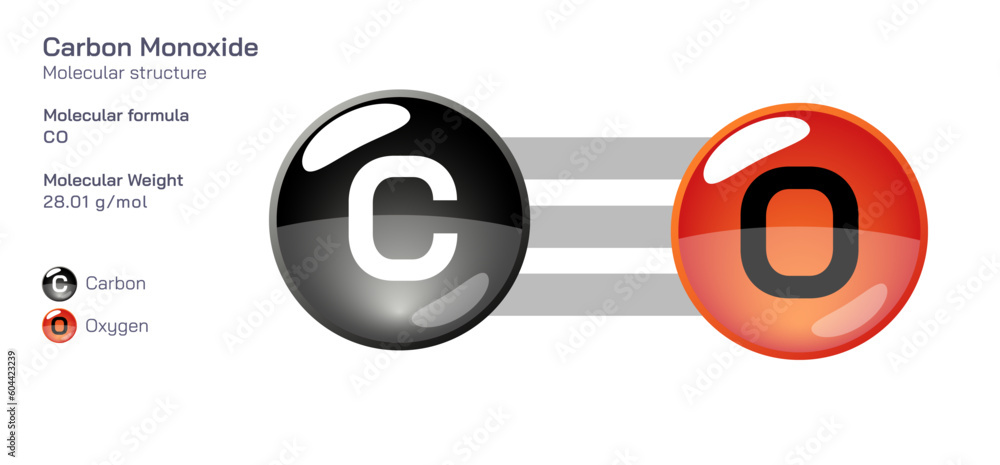
You've probably heard of Carbon Monoxide, or CO, before. It's that silent, invisible gas that gets a bad rap, and for good reason! It’s a serious warning sign, a hushed whisper of danger we've all been taught to respect.
But what if we told you there's a surprising, even playful, side to CO? Not that the gas itself is funny, of course, but its story on the grand stage of the Periodic Table is quite the family drama.
Imagine the Periodic Table as the ultimate family album, or perhaps a bustling neighborhood. Every element has its own house number, its own unique personality, and its own favorite hobbies.
Must Read
Two of the biggest stars in this neighborhood are Carbon and Oxygen. They're like the popular kids everyone knows and loves.
Meet the Parents: Carbon and Oxygen
Carbon: The Ultimate Builder
First, let's talk about Carbon. This guy, with his house number 6, is the ultimate social butterfly of the Periodic Table. He loves to connect!
Seriously, Carbon is everywhere. From the sparkly diamond on a ring to the graphite in your pencil, to the very backbone of every living thing, including you and me!
He's the ultimate builder, the architect of life. He forms incredible structures, always ready to link up with other elements, creating endless possibilities.
Carbon is literally the foundation of all organic chemistry. Without him, life as we know it simply wouldn't exist. He's a true superstar.
Think of him as the friendly, versatile neighbor who brings everyone together for a BBQ. He’s always building something new, always creating connections.

Oxygen: The Breath of Life
Then we have Oxygen, living just down the street at house number 8. And what a neighbor she is! She's the indispensable one, the lifeblood of our atmosphere.
We literally cannot live without Oxygen. Every breath we take, every flicker of a flame, relies on her vital presence.
She's a lively and energetic element, always eager to react and form new compounds. She's the reason we can burn fuel and generate energy.
Oxygen is the element that keeps our engines running, both literally in our cars and figuratively in our bodies. She's absolutely essential.
So, we have these two amazing elements: Carbon, the universal builder, and Oxygen, the vital breath of life. They live in the same neighborhood, often hang out, and frequently form partnerships.
When Good Elements Go... Slightly Awry
Most of the time, when Carbon and Oxygen get together, they create something wonderful. Their most famous creation is Carbon Dioxide, or CO2.
CO2 is what we breathe out, what plants breathe in. It's crucial for Earth's climate and for photosynthesis. It's a balanced, stable, and generally helpful compound.

It’s like when two great chefs get together and whip up a perfect, delicious meal. Everyone loves it!
But sometimes, just sometimes, in certain conditions, Carbon and Oxygen form a different kind of bond. A bond that's a bit... quirky. This is where Carbon Monoxide comes in.
Instead of two oxygen atoms joining a carbon, only one does. It's a single Carbon atom getting cozy with a single Oxygen atom. That "mono" in monoxide means "one."
This slight change in their relationship, this "one-to-one" pairing, makes all the difference. It’s like following a recipe, but accidentally leaving out a crucial ingredient or adding too little.
Instead of the stable, friendly CO2, we get the more mischievous and clingy CO. It’s an unstable bond, eager to find another partner.
This is where the humorous paradox lies. How can two such life-giving, fundamental elements combine to create something so potentially dangerous?
The Unexpected Personality of Carbon Monoxide
Carbon Monoxide is a bit of a trickster. Because it’s missing that second Oxygen atom, it desperately wants to find another.
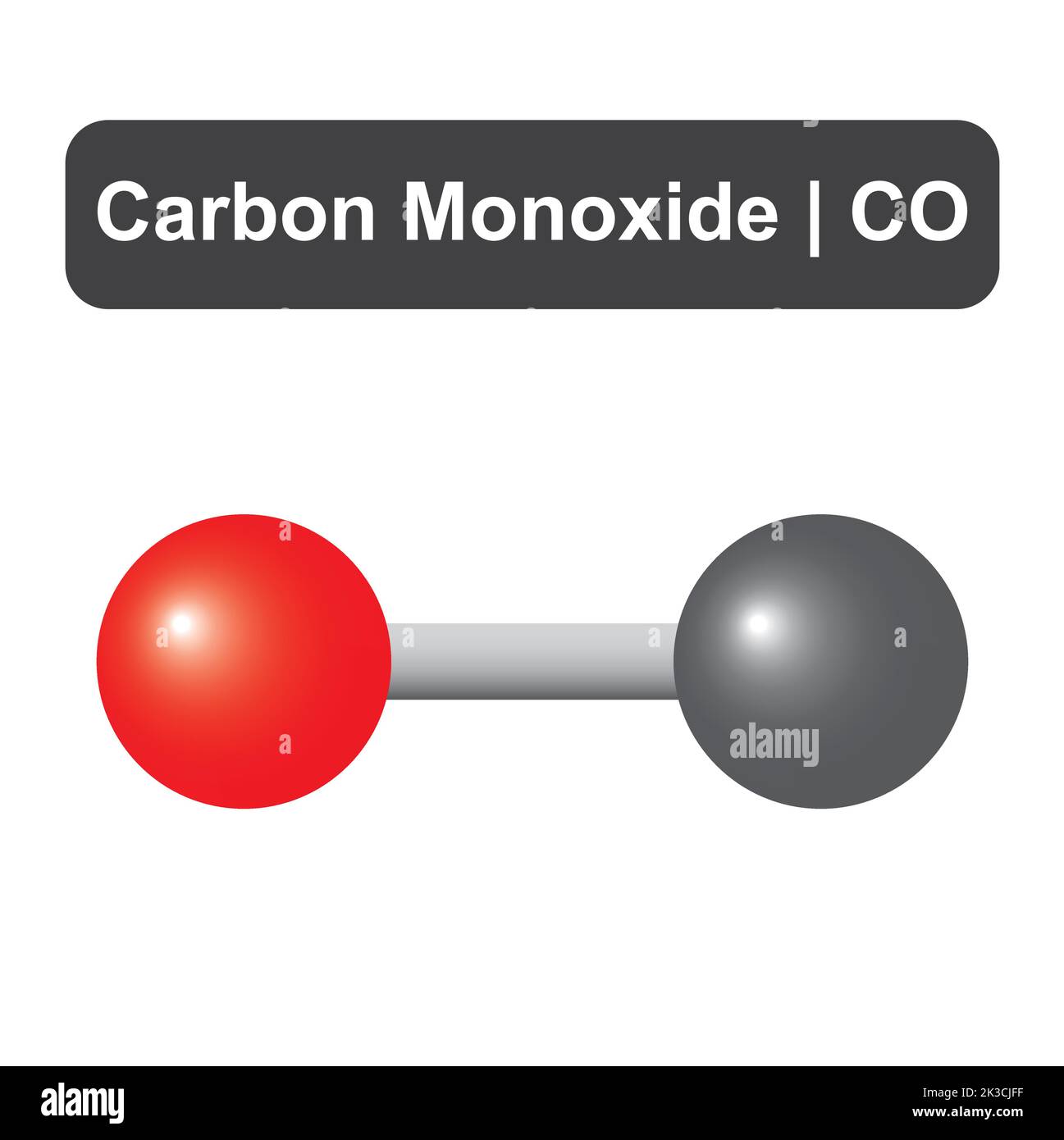
And guess what it looks for? You guessed it: more Oxygen. Specifically, the Oxygen that's happily attached to your blood cells, trying to get to your muscles and brain.
CO is like a super-clingy friend who pushes everyone else out of the way. It latches onto your blood cells with an astonishing grip, much tighter than regular Oxygen.
This means your body can't transport the vital Oxygen it needs, leading to serious health issues. It's a silent takeover, an invisible hijack of your internal systems.
The irony is profound: an element so critical for life (Oxygen) is snatched away by a compound made of two other life-critical elements (Carbon and Oxygen).
It’s a bizarre twist in the family saga of the Periodic Table. The children of Carbon and Oxygen, meant to be beneficial, sometimes take an unexpected, problematic turn.
The Beauty of Understanding
So, what's the heartwarming part of this story? It's not the gas itself, but our human ingenuity and curiosity.
Thanks to scientists looking closely at the Periodic Table, understanding how elements combine, and patiently unraveling their mysteries, we understand CO.

We know its atomic makeup, its behavior, and most importantly, how to protect ourselves from it. We've developed detectors and safety protocols because we bothered to learn about its parents.
The Periodic Table isn't just a dusty chart; it's a guide to the universe, helping us understand everything from exploding stars to the air we breathe.
It allows us to peek into the intricate dance of atoms, to see how two friendly, vital elements can, under the wrong circumstances, create something that demands our attention and respect.
This understanding empowers us. It turns something unseen and frightening into a challenge that science can explain and help us manage.
So next time you hear about Carbon Monoxide, remember its surprising lineage. Remember Carbon, the great builder, and Oxygen, the breath of life.
And remember that even in the most straightforward families of elements, there can be unexpected twists and turns. It's all part of the fascinating, often surprising, story of chemistry.
The Periodic Table truly is a grand, quirky family reunion, full of stories, big personalities, and sometimes, a few wild cards. Learning about them makes our world safer and much more interesting!