Carbon Monoxide Heavier Or Lighter Than Air

How often do we encounter everyday phenomena and wonder about the hidden science behind them? It’s like a mental puzzle, a delightful challenge for our curious minds! Today, we're diving into one such intriguing question that many ponder: Is Carbon Monoxide (CO) heavier or lighter than the air we breathe? This isn't just a science trivia question; it's a vital piece of knowledge that offers a surprising sense of empowerment and clarity, making it a topic of practical importance for everyone.
For the casual learner, the discerning homeowner, or even those with a penchant for understanding how things work, grasping this concept brings a unique advantage. It's about demystifying the invisible, equipping you with insights that translate directly into smarter living and enhanced well-being. Knowing the answer isn't just about passing a test; it's about making informed decisions that safeguard your loved ones and your sanctuary. It elevates a simple fact into a tool for proactive safety and peace of mind, a true benefit for any curious mind.
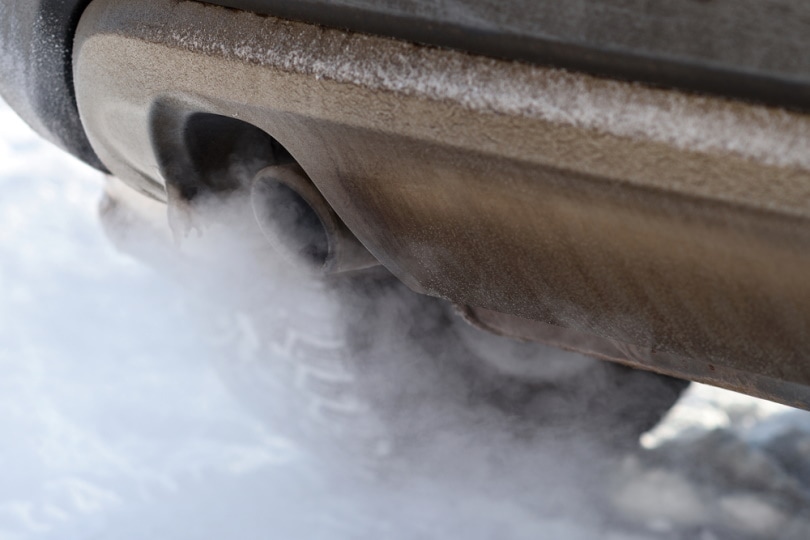
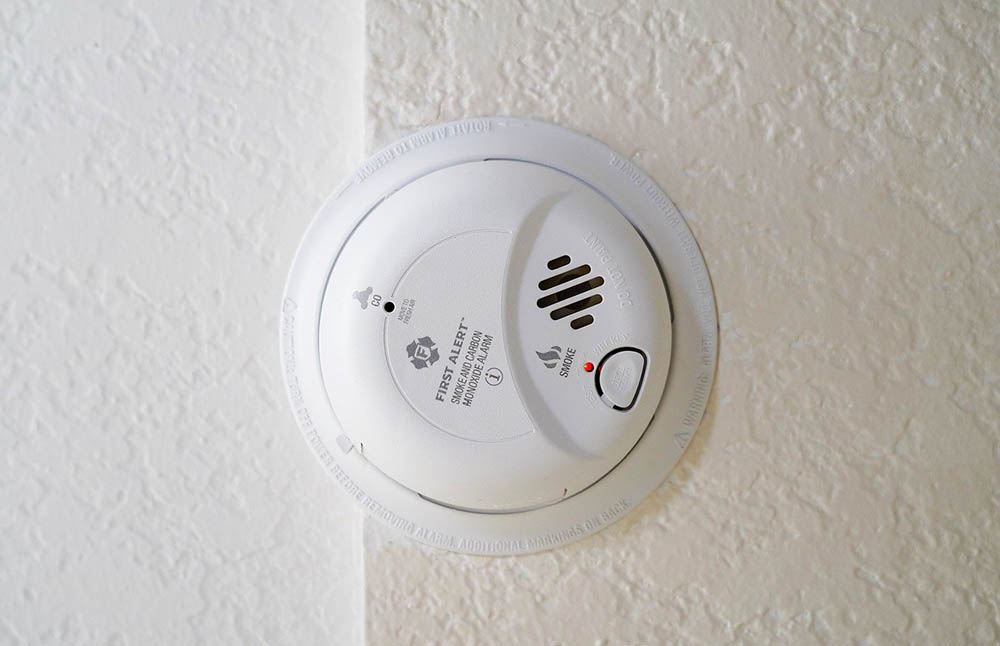
Think about it: If CO were significantly heavier, it might pool near the floor, leaving the upper reaches of a room safe. If it were dramatically lighter, it might quickly escape through vents in the ceiling. But the truth is more nuanced, and fascinating! Carbon Monoxide is, in fact, slightly lighter than air, with a molar mass of approximately 28.01 g/mol compared to air's average of about 28.8 g/mol. This subtle difference means it doesn't dramatically rise or fall; instead, it tends to mix readily with air. This mixing is precisely why CO detectors aren't just placed near the floor or ceiling, but often at chest level or according to manufacturer recommendations to detect a well-mixed gas. Consider scenarios like a faulty furnace, a running car in an enclosed space, or even a barbecue brought indoors – understanding how CO behaves in these "variations" of typical environments is paramount. It’s a silent, invisible threat that demands our informed respect, making this knowledge invaluable.
Must Read
Now, let's be absolutely clear: we never want to "try" experiencing carbon monoxide at home. Instead, we apply our knowledge to safely prevent and detect its presence. Here’s how you can "try" understanding and applying this crucial insight for peace of mind:
- Install CO detectors: This is non-negotiable. Place them on every level of your home, especially near sleeping areas. Remember, because CO mixes well, proper placement (often central, not too high or low) is key. Always check the manufacturer's instructions.
- Regular maintenance: Ensure your heating systems, water heaters, and any fuel-burning appliances are serviced annually by qualified technicians.
- Ventilation awareness: Never run a car in an attached garage, and ensure proper ventilation for gas stoves, fireplaces, and portable generators.
- Know the symptoms: Be aware of the signs of CO poisoning – headache, dizziness, nausea, shortness of breath – which can be mistaken for the flu.
There's a deep satisfaction that comes from mastering a piece of fundamental knowledge, especially one with such direct benefits. The "enjoyment" here isn't about the gas itself, but about the profound sense of security and preparedness that comes with understanding it. It's the quiet confidence of knowing you've taken proactive steps to protect your environment and loved ones. It’s the sheer joy of learning, applied directly to making your world a safer, more informed place. Embracing such insights transforms abstract science into practical wisdom, and that, truly, is something worth celebrating!