Carbon Monoxide Detectors How Many Do I Need

Ever paused to think about the unsung heroes lurking quietly in the corners of your home? Not the dust bunnies, but the clever little gadgets designed to keep you safe from invisible dangers. Today, let's peek behind the curtain at something truly vital, yet often overlooked: the carbon monoxide detector. It's not just a boring safety device; it's a fascinating piece of tech that plays a critical role in our everyday well-being, and understanding it is both empowering and genuinely interesting!
So, what's the big deal with carbon monoxide (CO)? Think of it as the ultimate stealthy villain. It's a gas that's odorless, colorless, and tasteless, making it virtually impossible to detect with our human senses. It's produced whenever fuels like gas, oil, kerosene, wood, or charcoal don't burn completely – think furnaces, water heaters, gas stoves, fireplaces, or even a car running in an attached garage. The scary part? Inhaling too much CO replaces oxygen in your blood, leading to dizziness, nausea, unconsciousness, and even death. That's where our curious little detector steps in!
The purpose of a carbon monoxide detector is elegantly simple: to be your early warning system. It constantly sniffs the air, and if CO levels rise to a dangerous threshold, it blares an alarm, giving you and your loved ones precious time to evacuate and seek help. The benefits are profound: it literally saves lives, offers incredible peace of mind, and turns an invisible threat into an actionable alert. It’s like having a silent, diligent guardian on duty 24/7.
Must Read
In daily life, CO detectors are found in homes, apartments, RVs, and cabins – essentially anywhere fuel-burning appliances are present. From an educational standpoint, they're a great way to understand basic chemical sensing technology and the importance of home safety protocols. It teaches us about the byproducts of combustion and how small, affordable devices can have such a massive impact on public health.
Now for the million-dollar question that sparks much curiosity: How many carbon monoxide detectors do I actually need? It's a common query, and thankfully, the answer is pretty straightforward, with a dash of common sense. The general recommendation from safety experts and manufacturers is to have at least one CO detector on every level of your home, including the basement. But let's get a bit more granular.

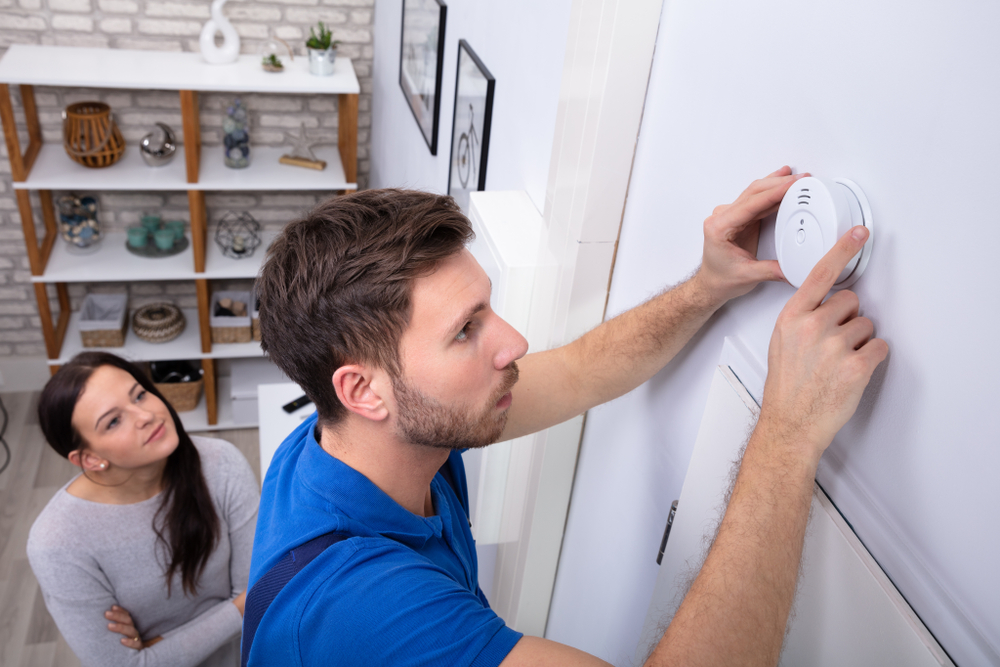
Think about where people sleep. It's crucial to have a detector outside each separate sleeping area. So, if you have bedrooms clustered on one floor, one detector in the hallway leading to them might suffice. If bedrooms are spread out, you might need more. Also, consider placing one near an attached garage or next to any major fuel-burning appliance, like your furnace or water heater, but not directly on top of it, as initial start-up fumes could trigger nuisance alarms. Always refer to the specific instructions that come with your detector, as placement can vary slightly.
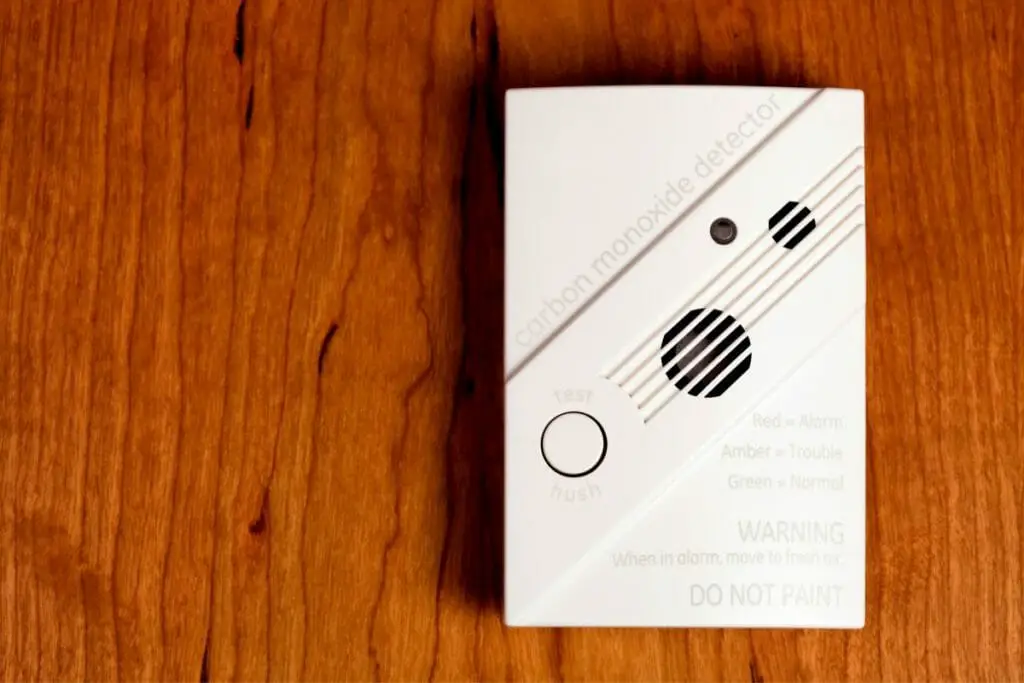
For some practical tips to explore this further: first, check the expiration date on your current detectors – they don't last forever, typically 5-7 years, and need replacing. Second, test them monthly using the "test" button to ensure they're working. Third, when buying, look for detectors that are UL listed (Underwriters Laboratories), ensuring they meet strict safety standards. And finally, educate everyone in your household on what the alarm sounds like and what to do if it goes off (evacuate immediately and call emergency services!). Understanding these little guardians not only keeps us safer but also deepens our appreciation for the clever engineering that protects our most important spaces.