
Carbon Monoxide Detector Location In House
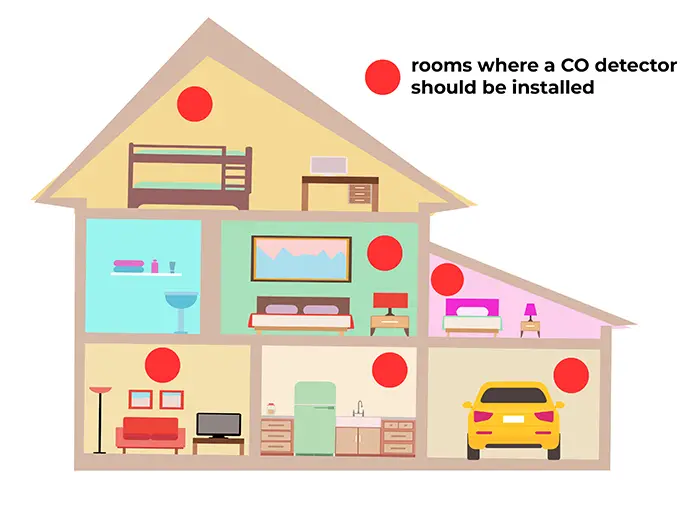
Welcome, curious home adventurer! Ever thought about the unsung hero quietly protecting your castle? We're talking about the incredible carbon monoxide (CO) detector, a true household marvel!
This little device isn't just a gadget; it's a silent guardian. And finding its perfect hideout in your home is actually quite a delightful quest.
Think of it like placing secret agents in just the right spots. Each agent has a unique mission, and its location is key to its success!
Must Read
The Thrill of the Hunt: Why Placement Matters So Much
You see, carbon monoxide is a sneaky character. It's invisible, odorless, and tasteless, making it a master of disguise.
Our detector, however, is a brilliant detective, but it needs to be in the right place to sniff out trouble. This is where the fun begins!
Finding the optimal spot for your CO detector is like solving a friendly puzzle, ensuring maximum safety and ultimate peace of mind. It’s a truly special kind of home improvement!
The Sleep Zone: Your First Mission Control Point
Let's start our grand tour in the most crucial areas: your bedrooms. This is non-negotiable, a top priority for any safety enthusiast!
Why bedrooms, you ask? Because when you're dreaming sweet dreams, you're most vulnerable. You wouldn't wake up if CO was silently lurking.
Imagine your detector as a vigilant night watchman, standing guard while everyone slumbers soundly. Place one near or inside each sleeping area for ultimate protection.
Super Tip: Think of it as placing a personal guardian angel right outside your bedroom door, ready to sound the alarm!
Every Level Needs a Lookout Post: The Multi-Story Strategy
Is your home a multi-story masterpiece? Then our hero needs multiple lookouts, strategically positioned on every floor!
CO can travel, and having a detector on every single level of your home is incredibly important. From the cozy basement to the bustling main floor and up to the serene bedrooms, every inhabited space needs its own protector.
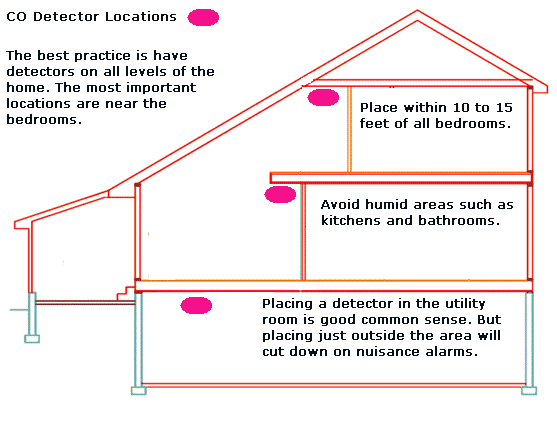
This ensures comprehensive coverage, creating a robust safety net across your entire living space. No floor or family member left unprotected!
Common Ground: Social Hubs Need Savvy Surveillance Too
Next up, let's consider the bustling heart of your home. Places like the living room, family room, or even a home office.
These are areas where everyone gathers, relaxes, and spends a lot of time awake. Placing a detector here adds another vital layer of security to your home's defense.
It's like having a friendly, ever-alert sentry in your main hall, ready to alert everyone during waking hours. This placement provides early warning and critical time to react.
Near the "Warm Makers": A Strategic, Intelligent Distance
Now, let's talk about the appliances that keep us cozy and our water warm. Furnaces, water heaters, and fireplaces can sometimes be the hidden sources of CO.
It sounds logical to place a detector right next to them, doesn't it? But here’s a clever twist, a real masterstroke of placement: not too close!
A CO detector needs to be near these appliances to do its job, but not so close that it gets confused by normal gas fumes, high heat, or even sudden drafts. It's all about finding that perfect sweet spot.
Typically, a distance of 10 to 15 feet away from fuel-burning appliances is considered ideal. This gives your detector enough space to breathe and detect actual CO threats accurately, without false alarms.
The Attached Garage Mystery: An Unexpectedly Important Hotspot
Here’s a location many folks might overlook, but it's critically important for a complete safety strategy: your attached garage. Remember, car exhaust is rich in CO!

Even if you only start your car for a moment, dangerous fumes can seep into your living spaces, especially if the connecting door isn't sealed perfectly.
Place one of your diligent detectors near the door that connects your garage to your living space. It's like having a special border patrol agent, preventing any CO from slipping into your home undetected.
Down in the Basement: The Hidden Command Center's Role
Many homes tuck their furnaces, water heaters, and other utilities away in the basement. This makes the basement a key area for intelligent CO detection.
Even if you don't spend much time down there, CO can originate here and then silently rise through your home, making its way to upper floors. A basement detector is an absolute must.
Consider it the primary watch station for your home's heating and water systems. This protector is a true underground hero, safeguarding your entire home from below!
Where Not to Place Our Hero: The Exclusion Zones of Detection
Just as important as knowing where to place detectors is knowing precisely where not to. Our clever detectors have their preferences, and knowing them is part of the fun!
Avoid placing them right next to windows or exterior doors. Drafts and fresh air can dilute CO concentrations, messing with their readings and making them less effective.
Also, steer clear of direct sunlight, very dusty areas, or places with extreme temperature changes, like uninsulated attics or near heat vents. These conditions can cause false alarms or reduce the detector's lifespan.
Don't put them too close to cooking appliances (like stoves or ovens) either. A little cooking smoke or steam could easily trick them into crying wolf. Give them some breathing room and a stable environment!
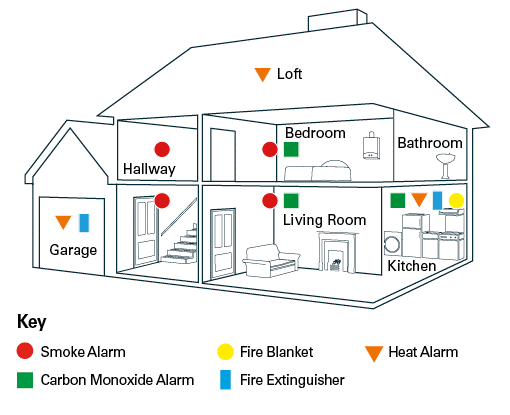
High humidity areas, like bathrooms or laundry rooms, are also no-go zones. Moisture can damage the sensor over time, making your hero less reliable when you need it most.
Remember: Our detectors are sensitive souls; they perform best in stable, clear, and calm environments. Treat them kindly for peak performance!
Height Matters (But It's a Delightfully Flexible Rule!)
With smoke detectors, we always think "high on the ceiling," right? For CO detectors, it's a bit different and delightfully flexible, adding to the intrigue of placement!
Carbon monoxide mixes pretty well with air throughout a room. So, placing it high, low, or in the middle isn't as critically sensitive as with smoke detectors.
However, many experts suggest placing them at chest height or higher on a wall. This makes it easy for you to see and hear the alarm, should it ever need to speak up.
Always, always check your specific detector's instructions though; the manufacturer knows best. They've done all the clever engineering and testing for you!
The Buddy System: More Detectors Are Definitely Merrier!
Just one CO detector in a large home is like having one detective trying to cover an entire city. It's simply not enough coverage for true peace of mind.
The real secret to ultimate protection is having multiple detectors scattered thoughtfully throughout your home. Think of it as building a robust network of vigilant friends.
The more eyes and ears you have strategically placed, the safer and more secure your home will be. Embrace the buddy system for CO detectors; your family will thank you!
Combo Detectors: A Two-in-One Powerhouse Strategy
Have you considered a combination smoke and carbon monoxide detector? These clever gadgets offer double the protection in one neat package!

When installing these, remember that smoke detectors typically go on the ceiling or high on a wall. This placement works well for the CO detection part too.
It simplifies your installation task, offering powerful dual protection from two deadly home hazards. It's like having a superhero with two amazing powers!
Keeping Our Heroes in Top Shape: A Quick, Easy Check-Up
Once you've perfectly positioned your detectors, the mission isn't quite over. These heroes need regular check-ups to stay in peak fighting condition!
Press the test button often, just like you would with your smoke detectors. It's a quick, satisfying way to ensure they're still working their silent magic.
Think of it as giving your silent guardians a reassuring pat on the back. A little recognition for their tireless, life-saving work goes a long way!
Your Home, A Fortress of Smart, Entertaining Placement
So, there you have it! The entertaining, intriguing journey of understanding carbon monoxide detector placement. It's more than just a chore!
It's about strategic thinking, understanding your home's unique layout, and creating impenetrable layers of protection. Each placement is a thoughtful decision.
By placing your detectors thoughtfully and precisely, you're not just installing safety equipment. You're becoming a master of home defense, ensuring invaluable peace of mind for everyone under your roof.
Go forth, curious reader, and inspect your home's safety strategy with fresh eyes. It's a surprisingly fulfilling and incredibly important adventure!