
Carbon Monoxide Detector Location In Home
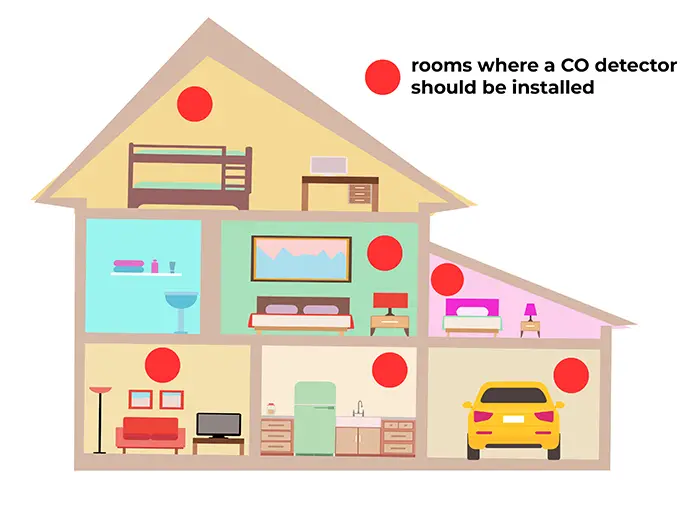
Hey there, friend! Let's chat about something super important, but we'll keep it light and easy, I promise. We're talking about those little gadgets that are basically your home's unsung heroes: Carbon Monoxide detectors. Think of them as tiny, ever-vigilant superheroes, sniffing out danger so you don't have to. And just like any superhero, they need to be in the right place to do their best work!
Carbon Monoxide, or CO for short, is a real sneaky villain. It's totally invisible, you can't smell it, and you can't taste it. It's like a ninja gas – silent, deadly, and you won't even know it's there until it's too late. It comes from things like furnaces, water heaters, gas stoves, and even your car if it's running in an enclosed space. So, giving your CO detector the best vantage point is crucial!
The Golden Rule: Every Level, Everywhere You Sleep!
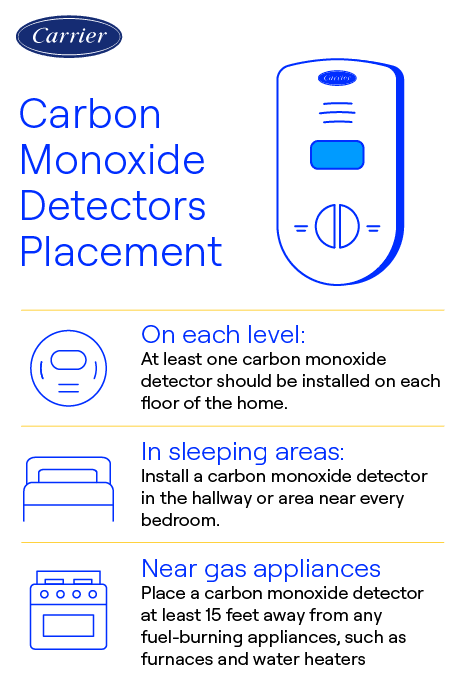
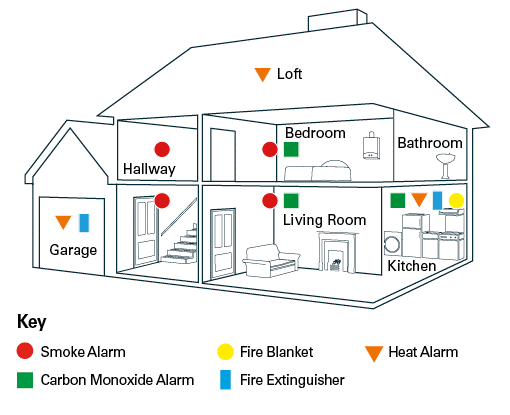
Alright, first things first, let's get down to the most important guideline. You're going to want a CO detector on every single level of your home. Yes, that includes the basement! CO can travel, and you want coverage from the attic to the cellar (if you've got one).
Must Read
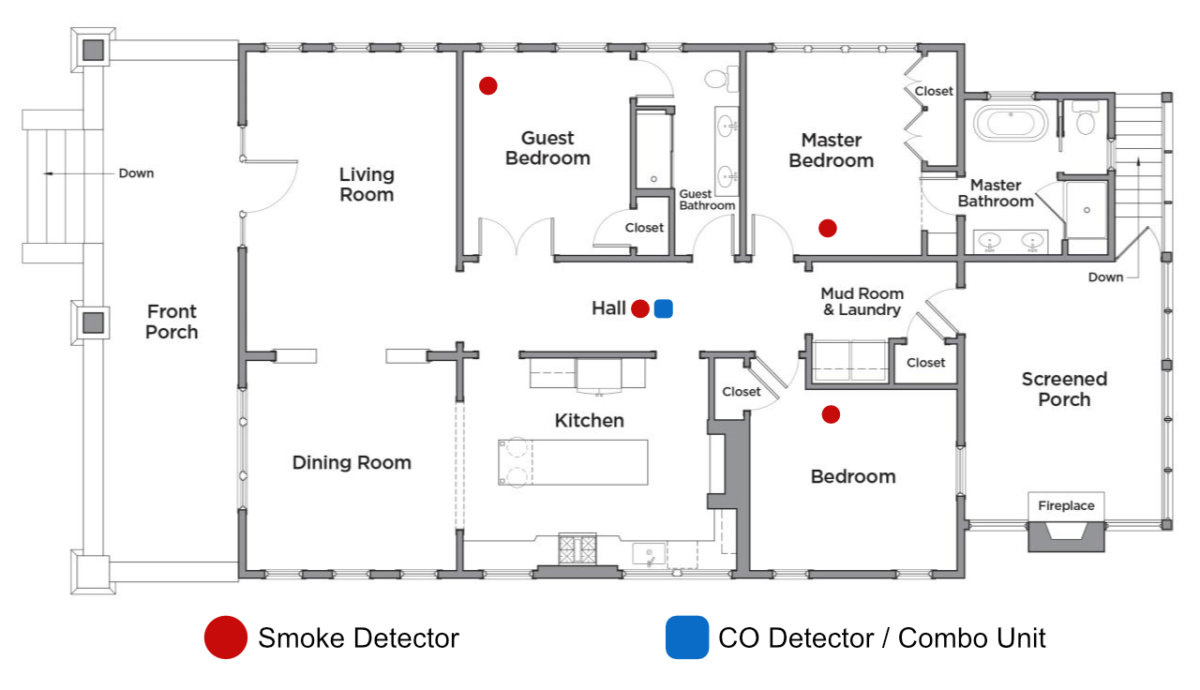
Beyond that, the absolute priority is near where you and your loved ones catch those Zs. So, think about your bedrooms. You'll want a detector within 15 feet of every sleeping area. This means if you have three bedrooms grouped together, one well-placed detector might cover them all. But if you have bedrooms on opposite ends of the house, you'll need one for each zone. The goal is to wake you up if CO levels become dangerous while you're dreaming sweet dreams of puppies and pizza!
Living Areas & High-Traffic Spots
It's not just about sleeping, though! You spend a lot of time awake too (hopefully!). So, placing a detector in common living areas is a brilliant move. Think about your living room, family room, or den. These are spots where you relax, binge-watch your favorite shows, and generally hang out. Having a detector here provides an extra layer of protection.
If you have an attached garage, and especially if you tend to warm up your car there, a detector near the door leading into your house from the garage is a smart idea. Just make sure it's not actually inside the garage where car exhaust might cause false alarms – keep it in the living space!
Near Those Baddies (Appliances, Not Your Kids!)
Now, let's talk about the sources of CO. Furnaces, water heaters, and fireplaces are the usual suspects. You might think, "Aha! I'll put the detector right next to them!" But hold your horses, cowboy (or cowgirl)! That's actually not the best strategy.

You want to place your CO detector at least 5 to 20 feet away from fuel-burning appliances. Why the distance? Well, sometimes these appliances might emit a tiny, non-dangerous puff of CO during start-up. Placing a detector too close could lead to annoying false alarms. We want real warnings, not cry-wolf situations, right?
So, a good spot is typically in the room where the appliance is, but across the room, or just outside the utility closet/room door. If your furnace is in the basement, put a detector in the basement, but not directly above the furnace exhaust.
Where NOT to Put Your Super-Sniffer
Just as important as knowing where to put them, is knowing where not to. Let's make a quick "no-go" list:
- Too Close to Vents or Windows: Drafts can mess with the sensor readings. We want accurate data, not windy whispers.
- In Direct Sunlight or High Humidity: Direct sun can overheat the unit, and steamy bathrooms can trigger false alarms.
- Behind Curtains or Furniture: Don't block its superpower! It needs clear air to do its job properly.
- In Garages or Attics (Unfinished): Extreme temperatures and vehicle exhaust can give you false readings or damage the unit.
- Right Next to Cooking Appliances: A stove or oven can sometimes release small amounts of CO, again leading to nuisance alarms. Keep a bit of distance here too.
A Few Extra Tips for Being a CO-Detector Guru
Always, always read the manufacturer's instructions! Seriously, it's boring, but it's gold. Every model can be a little different regarding optimal placement height (some prefer ceiling, some wall-level, some near the floor).
And remember to test your detectors regularly (usually monthly, just like your smoke alarms) and replace them according to their lifespan – typically 5-10 years. They don't last forever, even superheroes need a retirement plan!
Wrapping Up with a Smile!
Phew! That wasn't so bad, was it? You're now a bona fide expert in carbon monoxide detector placement. By taking a few minutes to strategically place these humble devices, you're doing something incredibly powerful: you're protecting your home and everyone in it. It's a simple act that makes a huge difference, ensuring your haven remains safe and sound, filled with laughter, love, and plenty of fresh, CO-free air.
So go forth, place those detectors like a pro, and enjoy the peace of mind that comes with knowing you've got your back (and your lungs!). High five!