
Carbon Monoxide Detector Going Off Who To Call
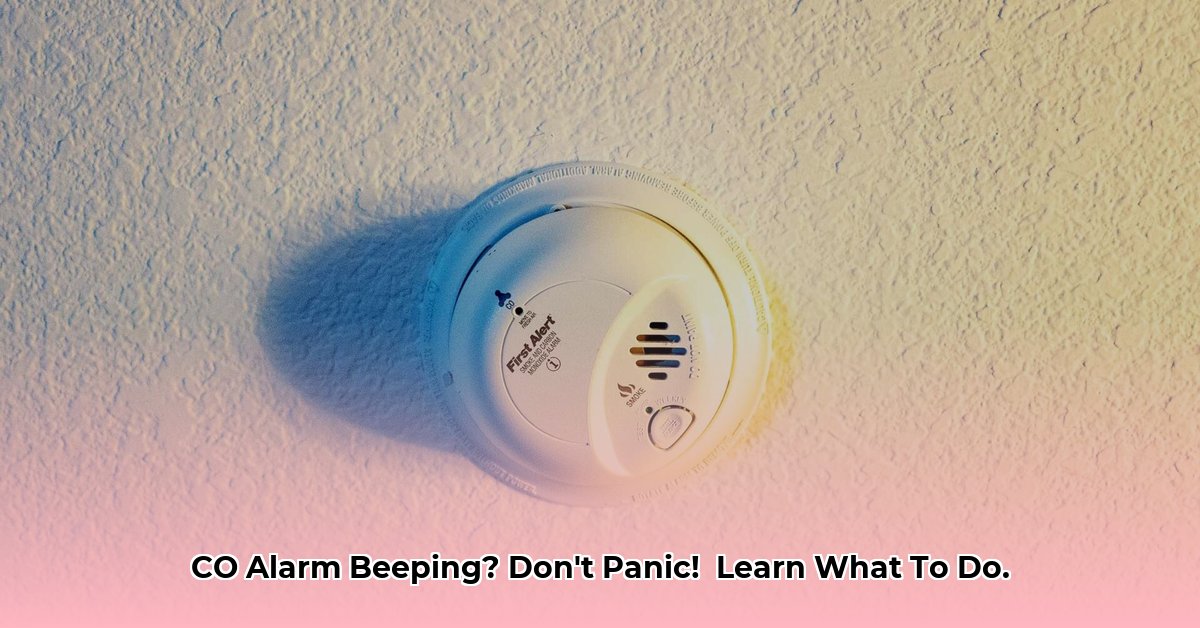
Alright, settle in, because we're about to chat about something that sounds super serious but is actually kinda fascinating and, dare I say, fun to unravel: What happens when your carbon monoxide detector decides to throw a full-blown siren party?
Picture this: You're just minding your own business, maybe perfecting your sourdough starter or deep into a Netflix binge. Suddenly, a high-pitched shriek tears through the air. Your heart jumps. Is it an alien invasion? Did you leave the oven on? Nope, it's that little plastic box on the wall, screaming its head off. That, my friends, is your carbon monoxide detector making its grand announcement.
The Invisible Party Crasher: What Even Is CO?
Before we dive into who to call, let's get cozy with the star of our show: Carbon Monoxide, or CO for short. This stuff is like the ultimate ninja villain – you can't see it, smell it, or taste it. It's literally invisible, odorless, and tasteless. Sounds spooky, right? That's why it's famously, and quite dramatically, called "the silent killer." But thanks to modern tech, your detector is anything but silent!
Must Read
CO is a byproduct of incomplete combustion. Think furnaces, gas stoves, fireplaces, water heaters, even your car's exhaust. When these things aren't burning fuel efficiently, CO can sneakily build up. And trust me, you don't want CO hanging out in your lungs. It's super clingy with your blood, much more so than oxygen, basically elbowing oxygen out of the way. Not cool, CO, not cool.
The Big Scream: Why Is It Doing That?
Your detector is basically your house's personal bodyguard, always sniffing around for trouble. When it goes off, it means it's detected a certain level of CO. It's not crying wolf (usually!). It's saying, "Hey! There's something in the air that shouldn't be here, and we need to check it out now!"

Sometimes it's a false alarm (low battery can sound similar, so always check that first if it's chirping, not screaming!), but often it's the real deal. And when it's the real deal, you've got to act fast. Think of it as an urgent text from your house, but instead of emojis, it's just pure, unadulterated siren noise.
The Grand Exit: First Things First!
Okay, so the detector is wailing. What's the absolute, non-negotiable, first step? Get everyone out of the house. Immediately. Yes, Fido and Whiskers too! Seriously, grab the kids, grab the pets, and step outside into the fresh air. Don't dally. Don't grab your photo albums. Just go. It's a bit like a fire drill, but for an invisible threat.
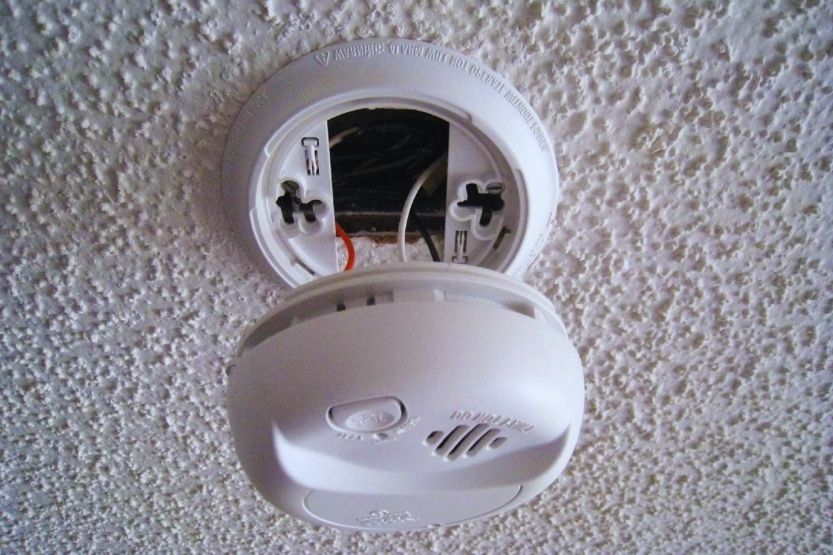
Once you're all safely outside, take a deep breath (of actual fresh air, please!). Now, for the moment of truth: Who are you going to call?
The Cavalry Arrives: Who To Call (And Why It's Fun!)
This is where it gets interesting, because you're basically assembling a superhero team to save your day. And no, it's not the Ghostbusters, though they might appreciate the invisible threat!
1. The Fire Department: Your First Responders!
Ding, ding, ding! Give yourself a gold star if you guessed this one. Your local fire department is your absolute first call. Seriously, dial 911 (or your local emergency number). Don't hesitate. Don't try to call a non-emergency line. This is an emergency!
Why the fire department? Well, they're not just about fires anymore! They're like the multi-tool of emergency services. They have super-sensitive CO meters that can pinpoint exactly where the gas is coming from and how concentrated it is. They'll ventilate your home, make sure the air is safe, and tell you when it's okay to go back inside. Plus, let's be honest, watching a big red truck pull up is always a little thrilling, even in stressful situations!
2. The Fix-It Crew: Once The Air Is Clear!
Okay, the fire department has given you the all-clear, but they've probably also told you not to re-enter until the source of the CO has been identified and fixed. This is where your next calls come in, and it depends on what the source might be.
- HVAC Technician: If your furnace or water heater (especially gas ones) are suspects, your friendly neighborhood HVAC technician is the one to call. They're like the detectives of heating and cooling, ready to sniff out faulty vents, cracked heat exchangers, or any other shenanigans causing incomplete combustion.
- Plumber: If a gas water heater or perhaps a gas clothes dryer vent is playing up, a qualified plumber might be your guy. They deal with all sorts of pipey, gassy things that could be the culprit.
- Gas Company: If you suspect a problem with your natural gas line or meter, or if the fire department pointed to a natural gas appliance as the source, contact your local gas company. They're experts in all things gas supply and safety.
- Chimney Sweep/Fireplace Expert: If you've been cozying up by the fireplace and that's the suspected source, a professional chimney sweep or fireplace technician is essential. They'll check for blockages, cracks, or anything that's stopping that smoke from going up the chimney and instead sending it back into your living room.
Quirky Facts & Final Thoughts (Because Why Not?)
Did you know that dogs can't detect carbon monoxide? Even with their super sniffers, CO is too subtle for them, which is why your electronic detector is so crucial! And speaking of detectors, they don't last forever! Most have a lifespan of about 5-7 years, so check the "replace by" date on the back. It's like replacing the batteries in your remote, but way more important!
So, the next time that little box decides to go full rock star, don't panic. Remember your protocol: out, then 911. It's a thrilling, albeit slightly scary, adventure in home safety, and now you're totally clued in on who to call to save the day!