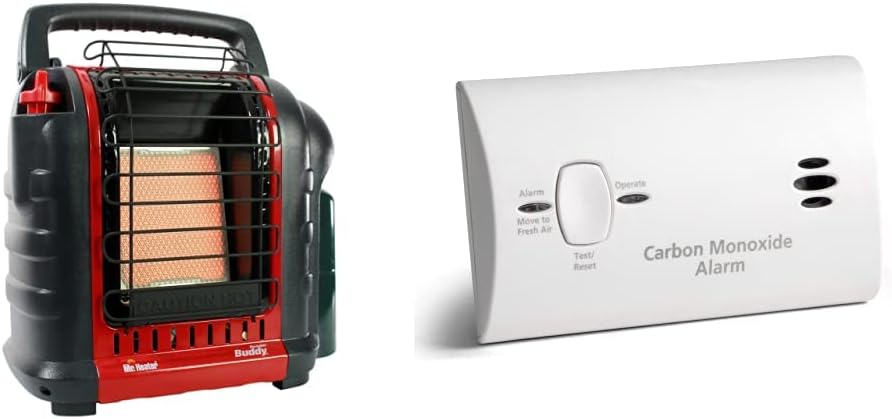
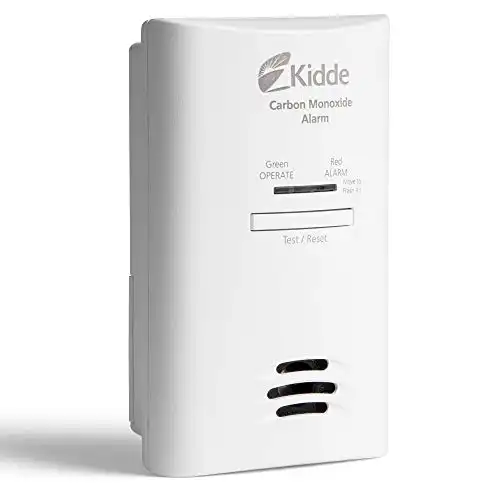
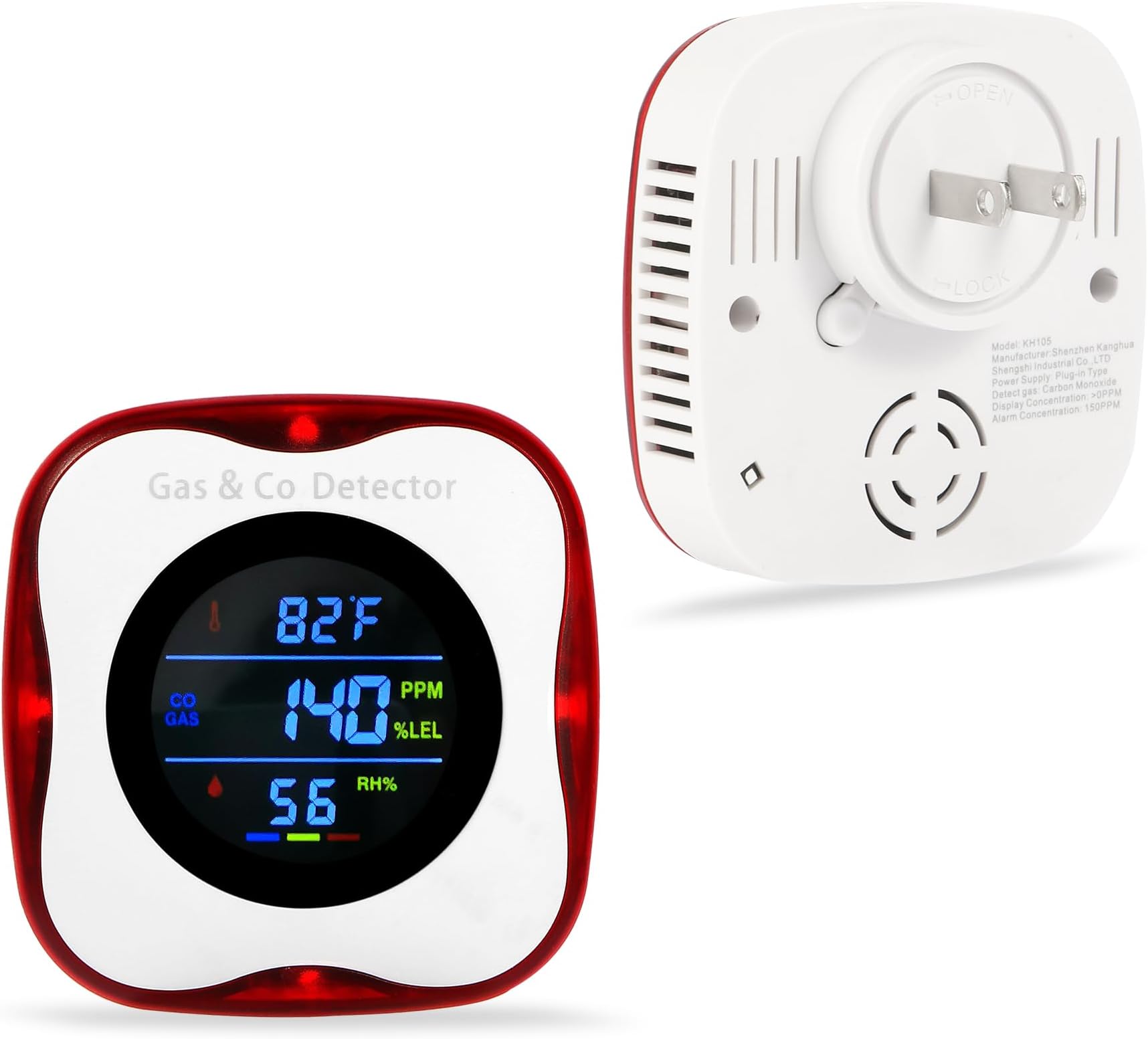
Carbon Monoxide Detector For Propane Heater

Ever found yourself bundling up on a chilly morning, perhaps in a cozy RV, a remote cabin, or even just during a power outage at home? There’s a good chance a propane heater might have been part of that comforting warmth. They’re super convenient and effective, making those moments feel even more special. But like any good friend, it's wise to understand them fully, and that includes introducing you to their very important sidekick: the Carbon Monoxide Detector.
Learning about this little gadget isn't just about safety; it's about appreciating the clever ways technology helps us enjoy life’s simple pleasures without worry. Think of it as peeking behind the scenes of your outdoor adventures or emergency preparedness kit. It’s fascinating how something so small can stand guard, silently protecting us from an invisible threat.
So, what exactly does this vigilant little device do, especially when a propane heater is involved? Its main purpose is to sniff out carbon monoxide (CO), a gas that's often called the "silent killer." Unlike a campfire, which gives off smoke you can see and smell, CO is colorless, odorless, and tasteless. This makes it incredibly dangerous because you wouldn't know it's there until it's too late. Propane heaters, while generally safe, can produce CO if they’re not burning efficiently or if they're used in a poorly ventilated space. The detector's job is to sound a loud alarm the moment CO levels become unsafe, giving you precious time to air out the space and get to safety. It offers incredible peace of mind, allowing you to relax and enjoy the warmth without constantly worrying about what you can't detect with your own senses.
Must Read
You might encounter these detectors in many aspects of daily life, often without even realizing it. They’re absolutely essential in any recreational vehicle (RVs, campers, travel trailers) where propane furnaces or heaters are common. Many cabins, hunting shacks, and even some tiny homes rely on propane for heat, making a CO detector a non-negotiable item. During a winter power outage, if you're using a propane heater to stay warm, that little detector is your unsung hero. In an educational context, understanding how CO detectors work is a fantastic way to grasp basic principles of safety technology and the importance of complete combustion in physics or chemistry classes – it’s a real-world application of science that saves lives.
Want to explore this topic a bit further in a practical way? It's super simple! First, if you own a propane heater, make sure you also own a CO detector. Check its battery every six months (a good reminder is when you change your clocks for daylight saving time!), and press the 'test' button regularly to ensure the alarm works. Always read the manufacturer’s instructions for proper placement – usually, it should be within a certain distance of the heater but not directly next to it. For a deeper dive, research the symptoms of CO poisoning; knowing them can help you react quickly even if a detector isn't immediately present or malfunctions. And remember, while CO detectors are amazing, they're not an excuse to use a propane heater in an unventilated space. Always ensure adequate airflow when using any combustion-based heater indoors. Staying curious about these safety essentials means staying warm and safe!