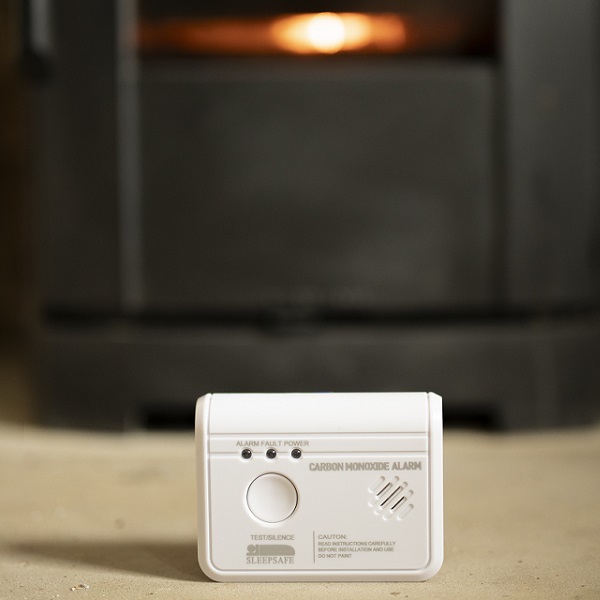
Carbon Monoxide Detector For Log Burner

There's something uniquely magical about a log burner, isn't there? The way it transforms a chilly evening into a haven of warmth, the hypnotic dance of flames, the gentle crackle and pop that creates the perfect soundtrack for relaxation. For many, a log burner isn't just a heating appliance; it's the heart of the home, a focal point for family gatherings, quiet nights with a book, or simply enjoying that unparalleled, radiant heat. It evokes a sense of tradition, self-sufficiency, and rustic charm that modern heating simply can't replicate.
But with such a beautiful and powerful addition to our homes comes a responsibility – a silent guardian we often overlook. We're talking about the humble yet incredibly vital carbon monoxide detector. While your log burner is busy radiating warmth and cheer, there's a potential byproduct that's anything but charming: carbon monoxide (CO). This gas is often referred to as the "silent killer", and for good reason. It's completely invisible, has no smell, and you can't taste it, making it incredibly dangerous if it builds up in your home undetected.
So, what exactly is the purpose of this little device? Simply put, a carbon monoxide detector is your home's early warning system against this insidious threat. It constantly monitors the air for the presence of CO, sounding a loud alarm if levels become unsafe. Think of it as a vigilant sentinel, always on duty, ensuring that your cosy evening by the fire remains just that – cosy and safe, not hazardous. It’s a non-negotiable piece of kit for anyone enjoying the pleasures of a log burner or any fuel-burning appliance.
Must Read
You’ll find CO detectors in various forms, from simple battery-operated units to those that plug into the mains, often with a battery backup. They are specifically designed to detect carbon monoxide produced by incomplete combustion, which can occur if your log burner isn't burning efficiently, the flue is blocked, or there's insufficient ventilation. While crucial for log burners, these detectors are also essential for homes with gas boilers, open fires, gas cookers, and even attached garages where car exhausts might pose a risk. Their application is widespread because the danger of CO is universal wherever fossil fuels are burned.

To enjoy your log burner more effectively and safely, here are some practical tips for your CO detector: First, placement is key. Install it at eye level, ideally in the same room as your log burner, but not directly next to it or in a draft that might affect its readings. Also, place one near sleeping areas. Second, test it regularly! Most detectors have a "test" button – push it monthly to ensure the alarm is working. Third, check the batteries if it's a battery-powered unit, and crucially, pay attention to the unit's expiry date. CO detectors typically have a lifespan of 5-7 years, after which their sensors become less reliable. Replace the entire unit when it expires, not just the batteries.
Finally, remember that a CO detector is a backup, not a substitute for proper maintenance. Always ensure your log burner is installed by a qualified professional, and crucially, have your chimney swept and inspected at least once a year. Regular servicing and good ventilation work hand-in-hand with your detector to keep you safe. By taking these simple steps, you can fully embrace the warmth and charm of your log burner with absolute peace of mind, knowing that you and your loved ones are protected from the unseen danger.