
Carbon Monoxide Detector For Fireplace
Alright, pull up a chair, grab your imaginary latte, because we need to talk about fireplaces. Specifically, how to enjoy them without accidentally inviting a very unwelcome, very sneaky guest into your living room. We’re talking about that quintessential symbol of coziness, the hearth, and its lesser-known, slightly terrifying secret.
Picture this: It's a chilly evening. You’ve got your fuzzy socks on, a mug of something warm in hand, and the logs are crackling away. Ah, bliss! You’re thinking about s’mores, perhaps a good book, maybe even a romantic comedy that you both pretend to hate. What you're probably not thinking about is a colorless, odorless, tasteless gas that could be silently suffocating you while you debate the merits of Hugh Grant's early work.
The Invisible Intruder: Carbon Monoxide
Yes, I'm talking about Carbon Monoxide, or CO if you're feeling chummy. It’s like the ninja assassin of household hazards. It doesn’t knock, it doesn’t send an RSVP, and it certainly doesn't bring a bottle of wine. It just… shows up. And then it starts messing with your red blood cells, which is less "party trick" and more "serious medical emergency."
Must Read
Why is it so dangerous? Because it’s literally undetectable by human senses. You can’t see it, smell it, or taste it. It's not like a leaky gas stove where you get that distinctive rotten egg smell that screams, "Get out! I'm about to blow!" CO is far more subtle, like that relative who overstays their welcome and just slowly drains the life out of your weekend.
Your Fireplace: A Potential CO Culprit
Now, before you swear off fireplaces forever and resort to electric log videos on YouTube, understand this: fireplaces themselves aren't inherently evil. They're just a combustion device, and like all combustion devices (furnaces, gas stoves, water heaters, even your car engine), they produce CO when fuel isn't burned completely.

But here's the kicker for fireplaces: a blocked chimney, a faulty flue, or even just poor ventilation can trap that CO inside your home instead of whisking it away into the sky. It's like your chimney decided to go on strike, refusing to do its job, leaving all the dirty work (the CO) right there in your cozy living room. Not cool, chimney, not cool.
So, while you're enjoying the ambiance, your fireplace might, just might, be having a little secret side hustle producing this dangerous gas. And that’s where our hero steps in.
Enter the Hero: Your CO Detector!
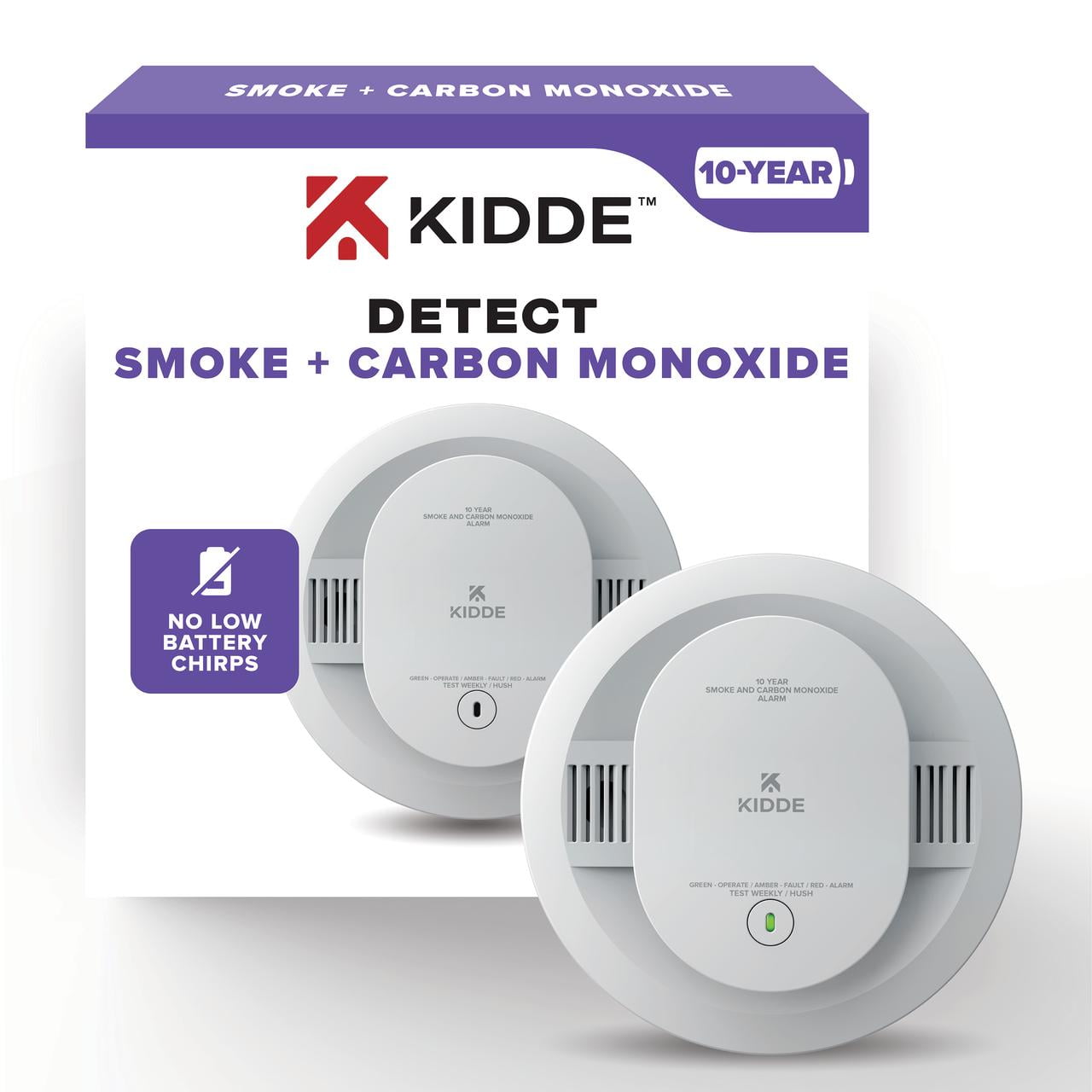
Meet the Carbon Monoxide Detector. This little gadget is your home's personal bodyguard, your tiny, unblinking guardian angel, and frankly, the best party pooper when it comes to silent killers. It doesn't care about your design aesthetic; it cares about keeping you alive. And trust me, that's a much better trade-off.
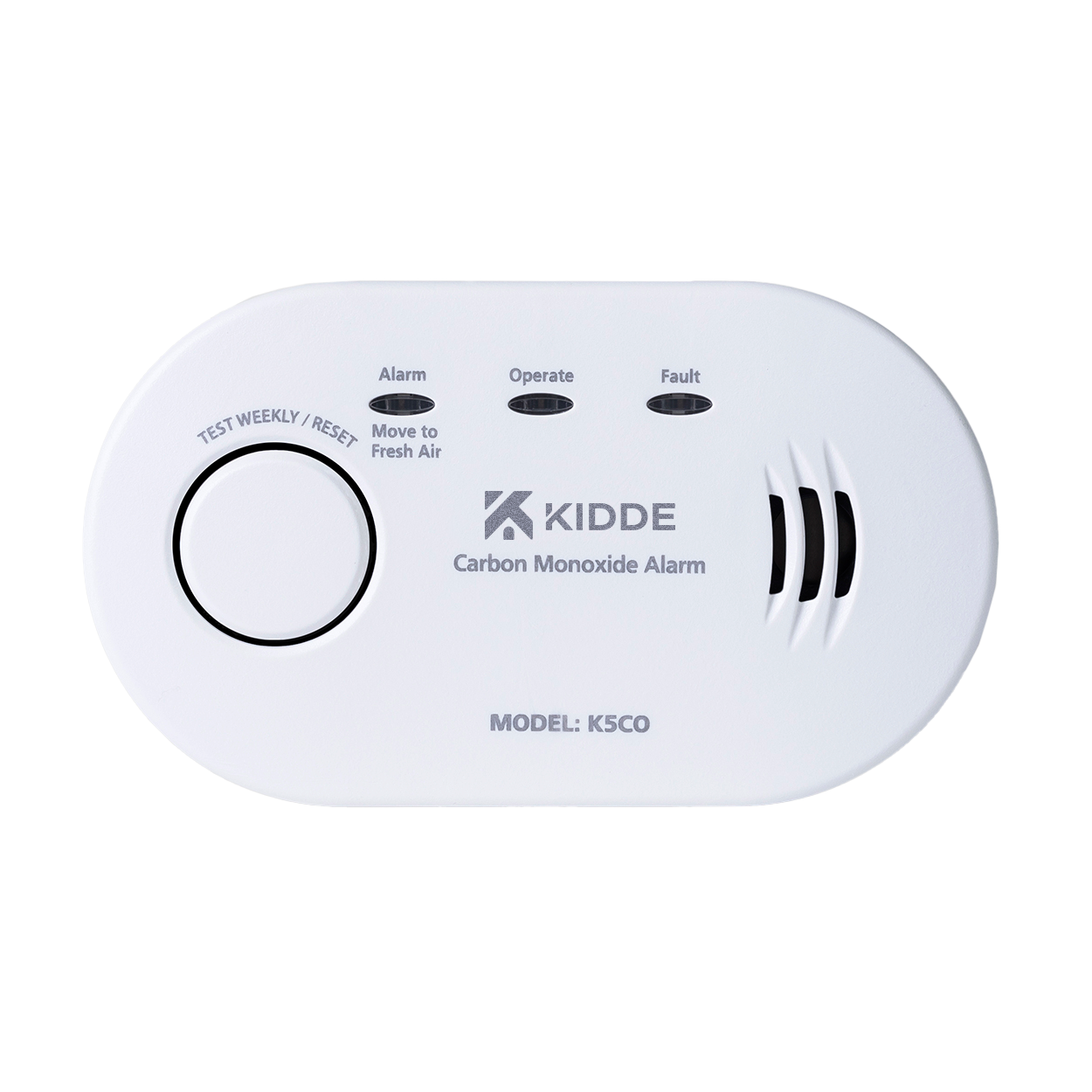
When it detects CO, it lets out a shriek that could wake the dead – or at least get you off the couch and outside before you become one of them. It's not a subtle little "ding-dong." No, it’s a full-blown "GET OUT NOW!" alarm, which is exactly what you need when you're dealing with something so utterly invisible.
Why You Absolutely, Positively Need One
You might think, "Oh, my house is new! My chimney was cleaned last year!" And that's great! But even modern homes with perfect maintenance can sometimes develop issues. A rogue bird's nest in the chimney, a downdraft on a windy night, or even just a particularly stubborn bit of creosote can cause problems. It’s better to be safe than sorry, especially when "sorry" means calling an ambulance because you thought you just had a really bad case of the flu (CO symptoms often mimic flu-like illness – sneaky!).

Think of it as cheap insurance for your life. Seriously, these things are not bank-breaking. A few bucks for something that could prevent a real-life horror story? That's what we in the business call a "no-brainer."
Where to Put Your Unsung Hero (and How to Maintain It)
So, where should this life-saving marvel live? Good question! You want one near your fireplace, naturally. But also, and perhaps even more importantly, near sleeping areas. CO can be at its most dangerous when you're asleep and can't detect any symptoms. Imagine your detector is like a diligent night watchman, patrolling while you dream of sugar plums.
And here’s another critical part: test it regularly! Most have a little button you can press. If it doesn't shriek like a banshee, change the batteries. If it still doesn't, or if it's past its expiry date (yes, they expire, usually after 5-7 years – they're not immortal!), replace it. It's easier than remembering to water your houseplants, I promise.
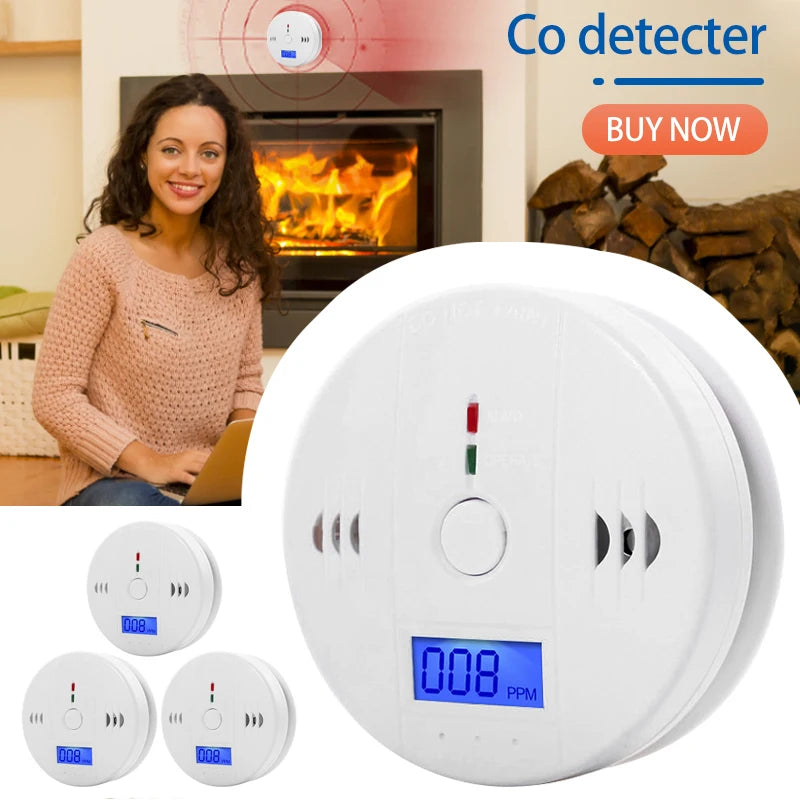
Don't just put one in the garage next to the expired paint cans thinking you're covered. Multiple detectors are best practice. Think of it like having multiple escape routes for your brain when it’s trying to figure out a complex tax form. More is better when it comes to safety!
The Takeaway: Stay Warm, Stay Safe, Stay Smart!
So, the next time you're curling up by the fire, remember the silent threat and the simple solution. A Carbon Monoxide detector isn't just another gadget; it's a vital piece of your home's safety puzzle. It allows you to fully embrace the joy, warmth, and nostalgic charm of your fireplace without a shadow of invisible, odorless, tasteless doubt.
Go forth, get yourself a CO detector (or three!). Enjoy your fireplace, make those s’mores, and debate those rom-coms with absolute peace of mind. Because the only thing silently sneaking up on you should be your cat, demanding attention.