Carbon Monoxide Detector Beeping 5 Times Every 30 Seconds
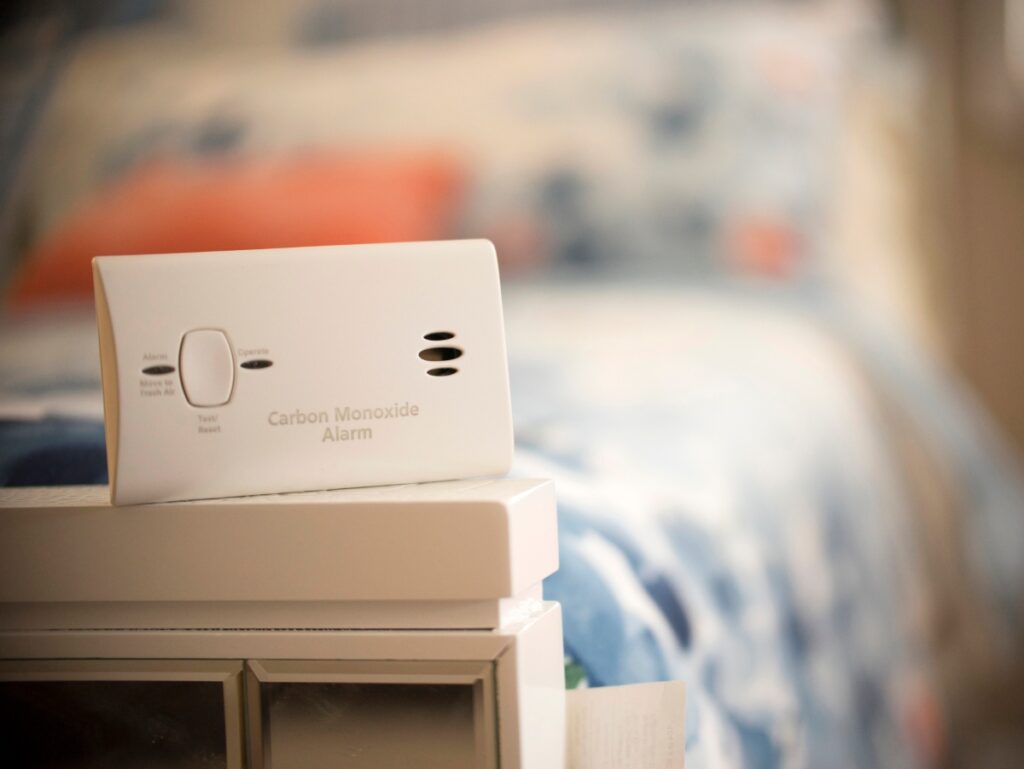
Ever woken up to a mysterious beeping sound in your home and felt that familiar mix of dread and annoyance? Well, if you have a carbon monoxide (CO) detector, understanding its language is not just useful, it's downright empowering! While a safety device might not sound "fun" in the traditional sense, knowing what those beeps mean gives you incredible peace of mind and makes you the superhero of your household safety. Let's decode one specific, very common signal: your CO detector beeping 5 times every 30 seconds.
For beginners, wrapping your head around this specific beep pattern is a crucial first step in home safety. It's like learning the most important phrase in a new language – it tells you exactly what needs to be done. For families, this knowledge translates directly into safeguarding your loved ones. Carbon monoxide is often called the "silent killer" because it's odorless, colorless, and tasteless. Your detector is your first line of defense, and understanding its signals ensures it's always ready to protect. And for the home hobbyists or anyone who takes pride in maintaining their space, knowing your CO detector's end-of-life warning means you're proactively preventing a potential safety gap, keeping your home running smoothly and securely.
This particular pattern – 5 beeps every 30 seconds – is super important because it typically signals that the unit has reached its end of life. CO detectors have a lifespan, usually around 5-7 years, after which their sensors become less reliable. This is distinct from a single chirp every 30-60 seconds, which usually means the battery is low, or the rapid 4-beep pattern which indicates actual carbon monoxide detection (a much more urgent situation!). So, when you hear those 5 specific beeps, it's not a CO leak, and it's not just a low battery – it's your detector politely, but firmly, telling you, "My shift is over; please replace me!"
Must Read
Ready to tackle this beeping mystery? Here are some simple, practical tips to get you started:
- Confirm the Pattern: Listen carefully. Is it definitely 5 beeps every 30 seconds? Sometimes, sounds can be confusing.
- Check the Date: Look at the back or side of your CO detector. There's usually a "replace by" date or a manufacturing date printed. If it's past its prime, that confirms the warning.
- Don't Procrastinate: This isn't a "fix it later" kind of sound. An expired detector can't protect you. Replace the unit immediately.
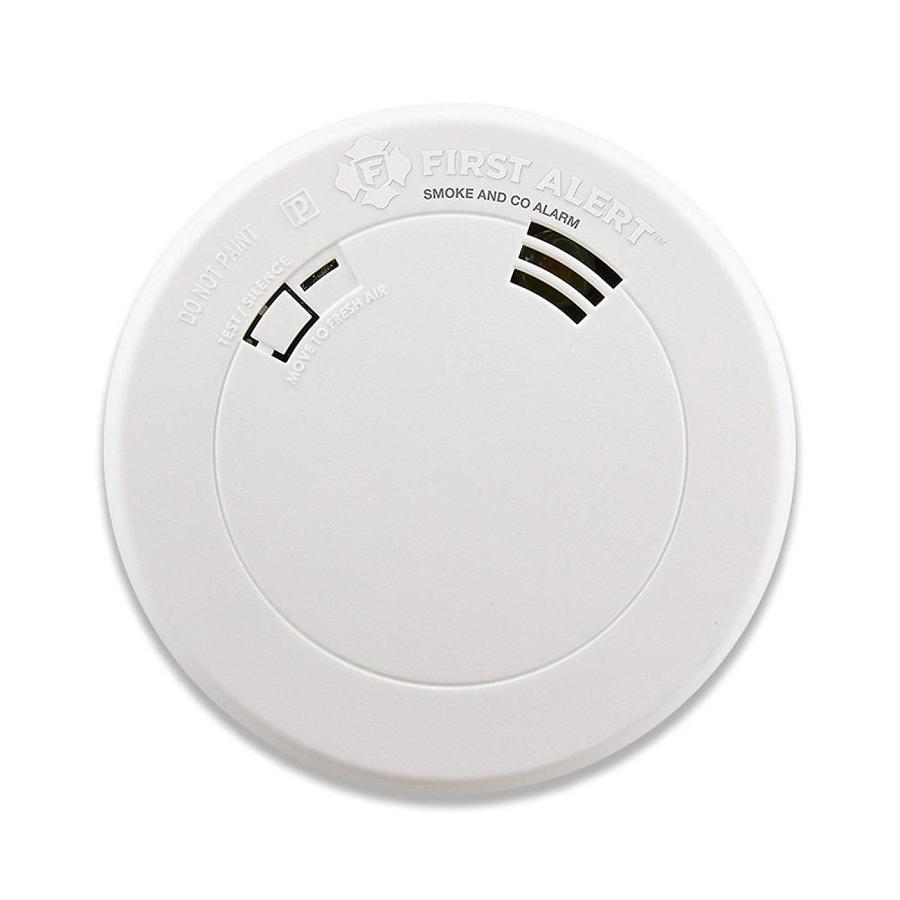
- Choose Wisely: When buying a new detector, consider combination smoke/CO alarms for dual protection. Ensure it meets current safety standards.
- Proper Placement: Install new CO detectors on every level of your home, near sleeping areas, and anywhere fuel-burning appliances are used.
- Recycle Responsibly: Many electronic waste programs accept old detectors. Check with your local recycling center.
So, the next time your CO detector starts its polite but persistent 5-beep every 30 seconds symphony, you won't be left guessing. You'll know exactly what to do, transforming a potentially confusing situation into a quick, confident action item. Understanding these signals not only keeps your home safe but also gives you that wonderful feeling of being in control and prepared. And that, my friends, is a truly valuable skill to have!
/cdn.vox-cdn.com/uploads/chorus_asset/file/23356188/best_carbon_monoxide_detector_panel.jpg)