
Carbon Monoxide Detector Battery Type

Okay, so picture this: you're finally snuggled up on the couch. Maybe you're binging that show everyone's raving about, or just enjoying a rare moment of peace. Then, out of nowhere, you hear it.
Chirp.
A tiny, insistent, deeply annoying sound. It stops. You breathe a sigh of relief. Then...
Must Read
Chirp.
Oh, for crying out loud! It's your carbon monoxide detector, isn't it? That little sentinel of safety, now demanding your attention with the auditory equivalent of a toddler poking you repeatedly. And your immediate thought? Besides, "Can this wait until morning?" is probably, "What kind of battery does this thing even take?!"
Don't worry, friend. You are not alone in this particular brand of domestic drama. We've all been there. It's like a pop quiz you never studied for, always at the least convenient moment.

The Great Battery Hunt: A Modern Odyssey
So, let's dive into the fascinating, utterly thrilling world of CO detector battery types. Because knowing is half the battle, and the other half is finding where you stashed the spares.
Most of the time, when your CO detector starts its plaintive cry, it's because its power source is giving up the ghost. And usually, the culprits are pretty standard household names. We're talking about the battery equivalent of the popular kids in school.
Often, you'll find it's a trusty 9-volt battery. You know the one, right? The little rectangular brick with two nubs on top, like a tiny robot head. These are super common in older CO detectors, and they're also the go-to for many smoke detectors. So, if you've got one, you likely have the other lurking somewhere. Or you should have, anyway.

It's a classic for a reason, but man, does that 9-volt chirp feel relentless, doesn't it? Like it's personally offended by your lack of immediate action. "Hello?! Danger! Or, you know, just low battery! But still, attention, please!"
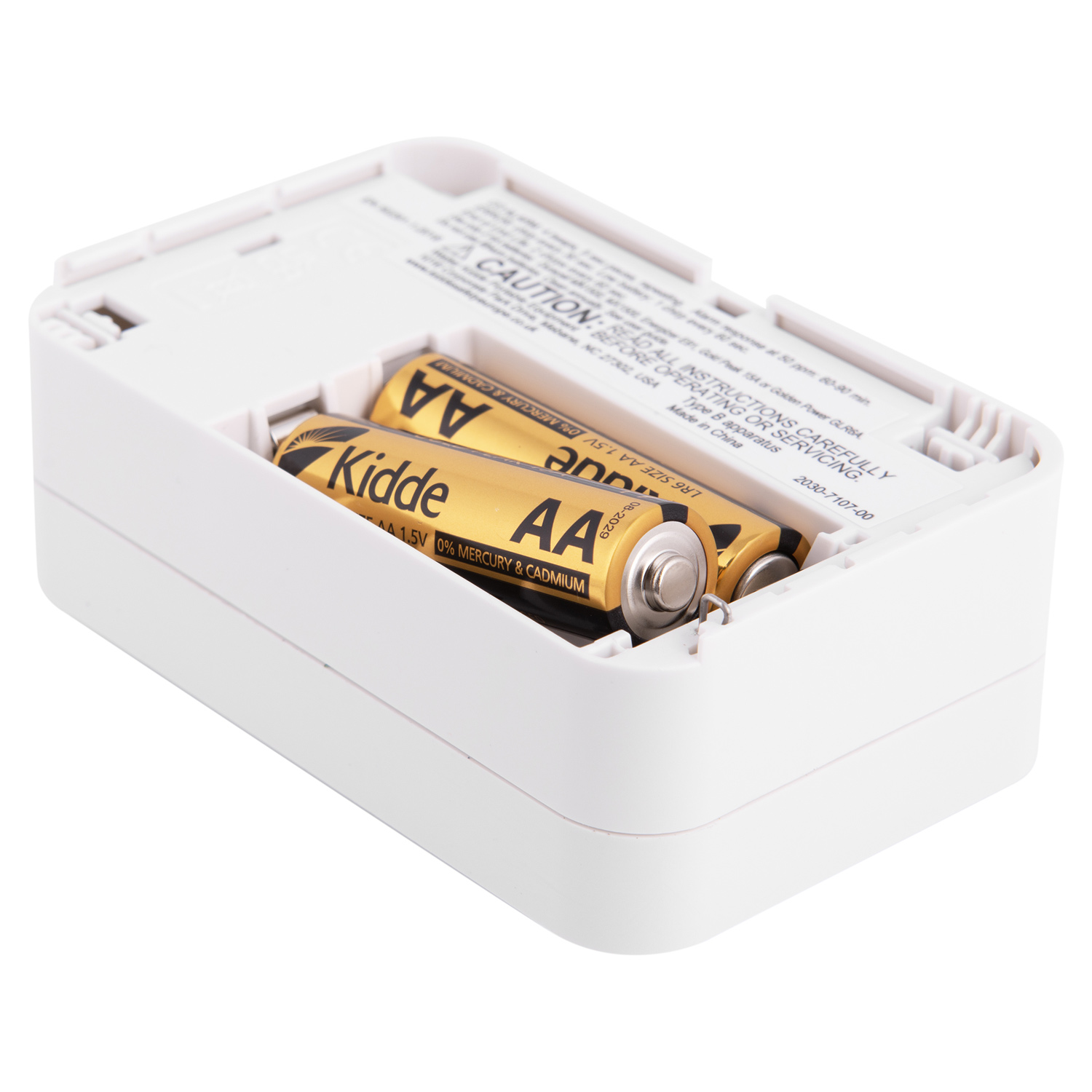
Then we have the more common, everyday workhorses: AA or AAA batteries. Yes, those cylindrical beauties that power everything from your TV remote to your kid's noisy toy that you secretly wish would just... run out of juice already. Sometimes CO detectors, especially the more compact or sleek designs, opt for these. They're usually easy to find, which is a huge plus when you're fumbling around in the dark, half-asleep.
Always double-check the back of your specific unit. There's usually a little diagram or a label clearly stating what kind of power it needs. Don't play guessing games with something that literally keeps you from breathing bad air, okay?
The "Set It and Forget It" Superstars (Mostly)
But wait! There's a relatively new player in the game, and these guys are the low-maintenance heroes. We're talking about CO detectors with sealed, long-life batteries. These often boast a 10-year lifespan, which is pretty sweet. You don't replace the battery; you replace the whole unit when its time is up. Usually, there's no battery compartment to even open on these.
The idea is fantastic: install it, forget about the chirping battery drama for a decade, and then just swap out the entire detector. Simple, right? Until, of course, that 10-year mark hits and you're like, "Wait, how long have I even had this thing?" The good news is, they usually have an expiration date printed right on them. So, you can mark your calendar, or just wait for its own final, insistent beep-beep-BEEP that signals it's time to retire.
These sealed units are becoming increasingly popular for obvious reasons. No more late-night battery hunts, no more frantic trips to the convenience store at an ungodly hour. Just peace of mind... for ten glorious years.

So, What Now? Your Action Plan
The moral of this story, my friend, is to be prepared. When that chirp starts, don't just sigh dramatically and hope it goes away. (It won't. Trust me.)
- First, and this is important: identify the specific detector that's chirping. Sometimes it's a smoke detector, sometimes it's a CO detector, and sometimes it's that forgotten toy in the corner.
- Once you've got eyes on the CO culprit, check the back of the unit or its battery compartment cover. It'll tell you whether it needs a 9V, AA, AAA, or if it's one of those fancy sealed-for-life models.
- If it's a replaceable battery type, have spares on hand! Seriously, just do it. Grab a multi-pack next time you're at the store. It's a small investment for your sanity and safety.
- If it's a sealed unit nearing its expiration date, or if it's acting wonky, replace the entire detector. They don't last forever, and a non-functional detector is, well, not doing its job.
Carbon monoxide, often called the "silent killer," is no joke. It's colorless, odorless, and incredibly dangerous. Your CO detector is your frontline defense, your little hero in plastic. So, keep it powered up, keep it happy, and keep yourself safe.
Now, if you'll excuse me, I think I heard a faint chirp from the kitchen. My fridge magnet might be powered by a watch battery. Wish me luck!