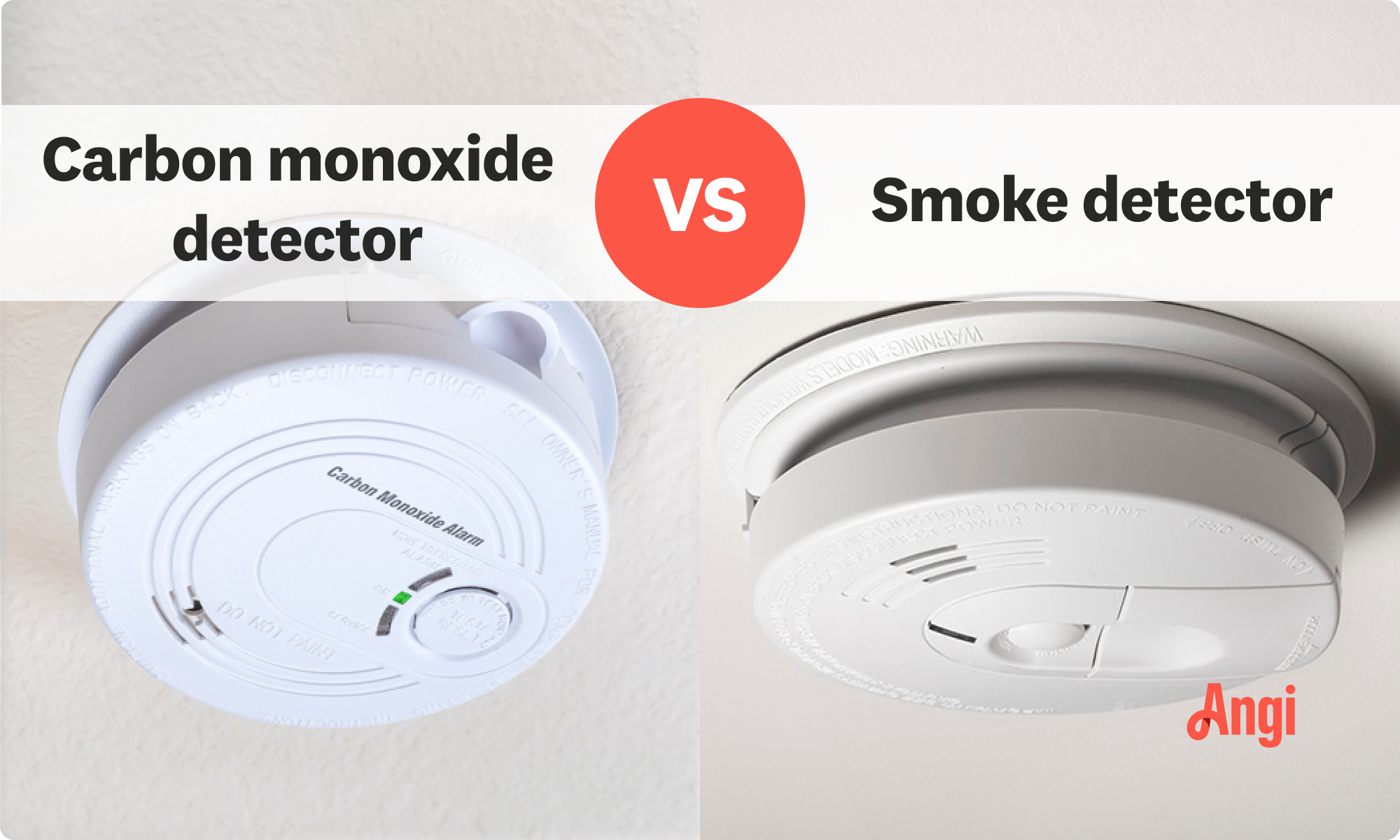
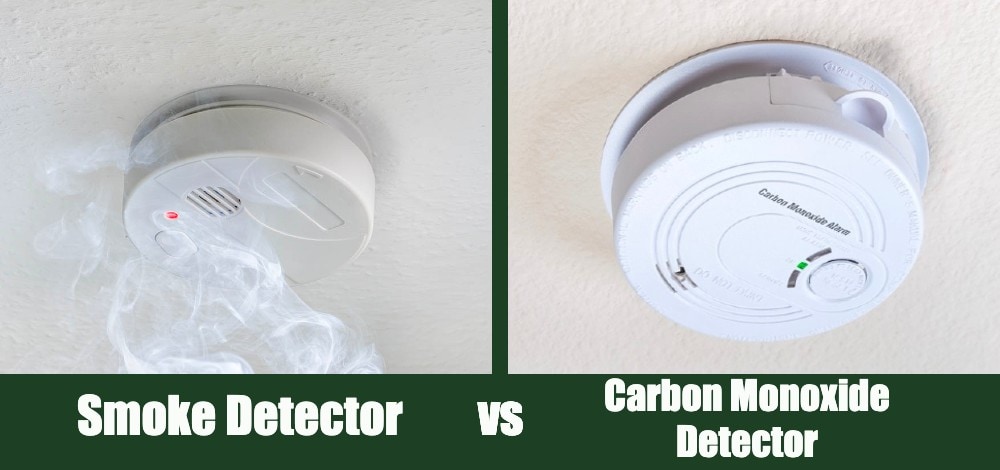
Ever wonder about those little plastic devices hanging on your walls or ceilings? They might seem like quiet guardians, just sitting there. But oh, do they have stories! We’re talking about two everyday heroes: the Smoke Alarm and the Carbon Monoxide Alarm. You might think they're the same, but they're actually a dynamic duo, each with its own special superpower.
Let's dive into the fascinating world of these home protectors. They work together, but they tackle very different villains. Understanding their unique roles is not just smart; it's genuinely interesting! Get ready to meet these unsung champions of home safety.
The Star of the Show: The Smoke Alarm
First up is the classic, the original, the unmistakable Smoke Alarm. You know its sound; a loud, insistent beep that can make your heart jump. Its job is simple yet incredibly vital: to detect smoke. When fire starts, smoke often comes first, and that's its cue.
Imagine tiny sensors inside, always on alert. They are sniffing the air, searching for those telltale particles that signal a growing fire. It's like having a super-sensitive nose, but for smoke only. This early warning can give you precious time to escape.
The Smoke Alarm is your first line of defense against visible dangers. It screams for help when it sees something wrong. It doesn't care if the fire is big or small; if there's smoke, it's raising the alarm. This makes it an absolute hero in an emergency.
Where do these brave little devices stand guard? You'll often find them strategically placed. Think near bedrooms, so they can wake you up fast. Every level of your home should have at least one watching over things. They like to be where the action, or potential action, might be.
Testing your Smoke Alarm is a bit like playing a game. You press a button, and it lets out a loud chirp. That chirp means it's ready for action, batteries are good, and its sensors are awake. It's a simple check that brings immense peace of mind.
Carbon Monoxide Detector vs Smoke Alarm: 5 Critical Differences You
Remember to dust them occasionally; they don't like dirty sensors. And those batteries? They need fresh ones regularly, often twice a year. Think of it as feeding your little guardian so it stays strong and ready to protect you and your family.
The Silent Guardian: The Carbon Monoxide Alarm
Now, meet our second hero, a true master of disguise: the Carbon Monoxide Alarm. This device is all about an invisible, odorless, and tasteless gas called carbon monoxide, or CO for short. You can't see it, smell it, or taste it, but it can be deadly.
This is where the CO Alarm really shines. It's like having a special superpower to detect the undetectable. It's silently monitoring the air for this tricky gas. This gas can come from many places: your furnace, water heater, gas stove, or even a fireplace.
Think of CO as a sneaky villain. It quietly replaces the oxygen in your blood, making you feel sick without you even knowing why. Headaches, dizziness, nausea – these can be early signs. Without a CO Alarm, you might just think you have the flu.
Fire Alarm vs. Smoke Detector: Key Differences - Bell Fire & Security
That's what makes the Carbon Monoxide Alarm so uniquely special. It stands guard against a threat you can't perceive with your own senses. It's the ultimate invisible protector, watching over you while you sleep or go about your day. Its beep is just as urgent, but it's for a very different kind of danger.
Its placement is also key. Like the Smoke Alarm, it loves being near sleeping areas. This way, if CO levels rise overnight, it can wake you up. You should also have one on every level of your home for comprehensive coverage. Near fuel-burning appliances is a smart spot too, but not right on top of them.
Testing your CO Alarm is just as important. It has its own test button, ready to emit a confirmation chirp. This tells you its internal sensors are working. Just like its smoky counterpart, it needs fresh batteries and has a lifespan, usually around 5-7 years, before it needs replacing.
The Dynamic Duo: Why Both are Essential
So, we have the Smoke Alarm, detecting visible threats like fire. And we have the Carbon Monoxide Alarm, guarding against the unseen killer gas. Are they interchangeable? Absolutely not! They are two different tools for two very different jobs.
Smoke Detector vs Carbon Monoxide Detector - YouTube
It's like having a lifeguard for the pool and a crossing guard for the street. Both are about safety, but they protect against distinct dangers. Your home needs both types of protection to be truly safe. One cannot do the job of the other.
Imagine your furnace developing a tiny crack, releasing CO. Your Smoke Alarm wouldn't even blink. Why? Because there's no smoke! But your diligent CO Alarm would spring into action, alerting you to the silent danger. This distinction is crucial.
On the flip side, if your toaster catches fire, your CO Alarm won't make a sound. There's no carbon monoxide, just smoke and flames. That's when the Smoke Alarm takes center stage, blaring its warning. Each device is a specialist.
They are not just pieces of plastic; they are your personal home security team. Each with a unique superpower, working together to keep your family safe from a variety of unseen and seen threats.
Smoke Detector vs Carbon Monoxide Detector: What’s the Difference
Many homes today have combination units. These clever gadgets detect both smoke and CO from a single device. It's like having a superhero with two powers! These can be a great option for convenience, but the principle remains the same: you need both types of detection.
So, next time you walk past one of these quiet sentinels, give it a little nod. Remember its unique mission. The Smoke Alarm is watching for fire, protecting you from visible infernos. The Carbon Monoxide Alarm is sniffing out invisible dangers, saving you from a gas you can't even perceive.
They are both fantastic examples of simple technology doing extraordinary work. They are a testament to how a little vigilance can make a huge difference. These devices aren't just practical; they're truly remarkable in their dedication to your well-being.
Feeling curious now? Great! Take a moment to check your own home. Do you have both a Smoke Alarm and a Carbon Monoxide Alarm? Are they in the right places? Have you tested them recently?
It's a small task with a huge payoff: peace of mind. So let's celebrate these fascinating little heroes. They might just be the most important, and surprisingly entertaining, gadgets in your home.