
Carbon Monoxide Alarm Sounded Then Stopped

Picture this: you’re chilling, maybe binging your favorite show, or perhaps just minding your own business making a killer grilled cheese. Suddenly, BEEP-BEEP-BEEP! Your carbon monoxide (CO) alarm is screaming its head off. Heart jumps, grilled cheese forgotten. You leap up, ready for action, scanning for danger… then, just as quickly as it started, it goes silent. Poof! Nothing. Just the echoing silence and your own frantic breathing. What in the world just happened? Was it a ghost? Did your alarm just get stage fright?
Welcome to the weird, wonderful, and slightly unsettling world of the CO alarm that cried wolf (or, well, gas) then tucked itself back into bed. It’s a phenomenon that leaves many of us scratching our heads, wondering if our little electronic guardian is playing tricks on us. But fear not, intrepid home dweller! There’s usually a perfectly logical, if a tad quirky, explanation for this dramatic entrance and exit.
The Sneaky Invisible Invader: CO
First, a quick refresher on our main character: carbon monoxide. This stuff is the ultimate ninja of gases. It’s colorless, odorless, and tasteless. You literally cannot detect it with your human senses. That’s why it earned its scary nickname: the “silent killer.” It’s produced when fuels don’t burn completely – think gas stoves, furnaces, car exhausts, even those cozy fireplaces. And in high concentrations, it’s seriously bad news, basically making your blood forget how to carry oxygen.
Must Read
But enough with the doom and gloom! Let's get back to our alarm’s dramatic flair. Why would it go off for a fleeting moment and then decide everything’s A-OK?
The Drama Queen Alarm: Why the Intermittent Shout?
Sometimes, your CO alarm is like that friend who overreacts to a spider but then calms down when they realize it’s just a dust bunny. These alarms are incredibly sensitive. They’re designed to detect even tiny concentrations of CO. We’re talking parts per million (ppm), which sounds super scientific, because it is!

One common culprit? A super brief, localized spike. Maybe someone idled their car in an attached garage for a second too long. Or perhaps your gas oven just kicked on with a tiny puff of unburnt fuel, or you fired up the grill a bit too close to an open window. Even a particularly smoky cooking session or a vigorous self-cleaning oven cycle can release minuscule amounts of CO. The alarm sniffs it, freaks out, then the air clears, and it's all, "Oops, my bad!"
Think of it as your alarm’s hypersensitive nose twitching. It smelled something, but it was just a fleeting whiff, not a full-blown gas cloud. Phew!
Not Just Gas: Other Quirky Triggers
Believe it or not, CO alarms aren't just sensitive to CO. They can also be a bit finicky. Sometimes, it’s not CO at all. A surge of humidity, especially in a steamy bathroom, or even a sudden burst of dust from a clumsy redecorating attempt, can trigger a momentary reaction. It’s like the alarm sneezed! Some alarms use electrochemical sensors, which are incredibly precise but can sometimes be thrown off by environmental changes.
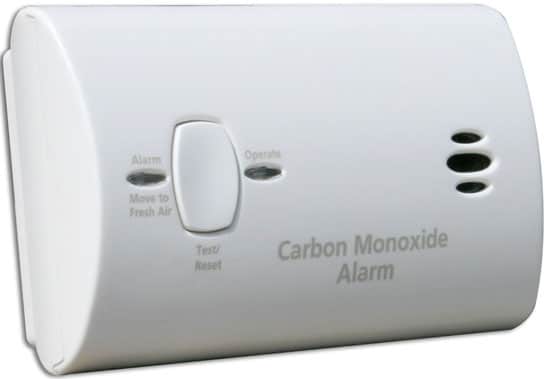
And let’s not forget the “end-of-life” chirp. CO alarms don't last forever, just like your favorite pair of sneakers. They typically have a lifespan of 5-7 years. As they near their retirement date, they might start acting a bit moody, giving you a few false alarms before settling into their permanent, insistent chirps signaling it’s time for a replacement. So, if your alarm is getting on in years, that quick beep could be its way of saying, “My time is nigh!”
What Your Alarm is REALLY Doing (and Why It's Cool)
So, what’s going on inside this little box of wonders? Most modern CO alarms use an electrochemical sensor. This tiny marvel contains a chemical solution that reacts with CO molecules. When CO is present, it creates an electrical current. The more CO, the stronger the current. Your alarm then translates this current into those ear-splitting beeps.
![Carbon Monoxide Detector Went Off Twice Then Stopped [Explained] – Fire](https://firesafetysupport.com/wp-content/uploads/2023/03/carbon-monoxide-detector-went-off-twice-then-stopped.webp)
When it goes off then stops, it’s often because the CO level hit the detection threshold briefly, but then dropped back down almost immediately. It’s like a quick health check the alarm performs, catching a potential issue and then confirming it's gone. This sensitivity is actually a good thing! It means your alarm is working, vigilant, and ready to protect you, even from the tiniest, most fleeting threats.
Don't Ignore the Chirp!
Even if it’s a quick “blink and you’ll miss it” alarm, it's a good nudge to stay aware. It's a playful reminder that your home has these silent guardians doing their thing. They're like your house's personal secret agent, always on duty. If your alarm has a digital display, you might even catch a glimpse of the peak CO level it detected. That can be a fun little puzzle to solve!
So, the next time your CO alarm throws a mini-tantrum then immediately quiets down, don't just dismiss it as a glitch. It's a sign of a working, sensitive device doing exactly what it's supposed to: being ready. It might have just sniffed out a phantom whiff of something, or it could be getting old. Either way, it's a quirky reminder to check its expiry date, ensure good ventilation, and appreciate the silent vigilance of these little heroes keeping your home safe. After all, a little drama from your alarm is much better than the alternative!
