
Carbon Monoxide Alarm Beeping First Alert

Alright, let’s talk about that little gadget in your home that occasionally decides to throw a mini-concert – your Carbon Monoxide (CO) alarm. Specifically, if you've got a First Alert model, you might have heard its unique little chirps and squawks. Now, before you roll your eyes and wonder if it’s just being dramatic, let’s unpack what those beeps mean and why this unassuming hero deserves a little more than just a side-eye.
Picture this: You’re snuggled up on the couch, maybe binging your favorite show or lost in a good book, when suddenly… chirp… chirp… chirp… It’s not your phone, not the cat, but that relentless little box on the wall. Annoying, right? We’ve all been there. It feels like your house is trying to tell you something, and usually, it's something mundane like, "Hey, I need new batteries!" But sometimes, it's a whisper about something far more serious.
The Different Voices of Your CO Alarm
Your CO alarm isn't a one-trick pony when it comes to beeping. It actually has a few distinct messages it wants to share. Think of it like a friend with different tones of voice – sometimes they’re casually chatting, sometimes they’re genuinely concerned, and sometimes they’re practically yelling at you to pay attention!
Must Read
The "I'm Getting Kinda Sleepy" Chirp (Low Battery)
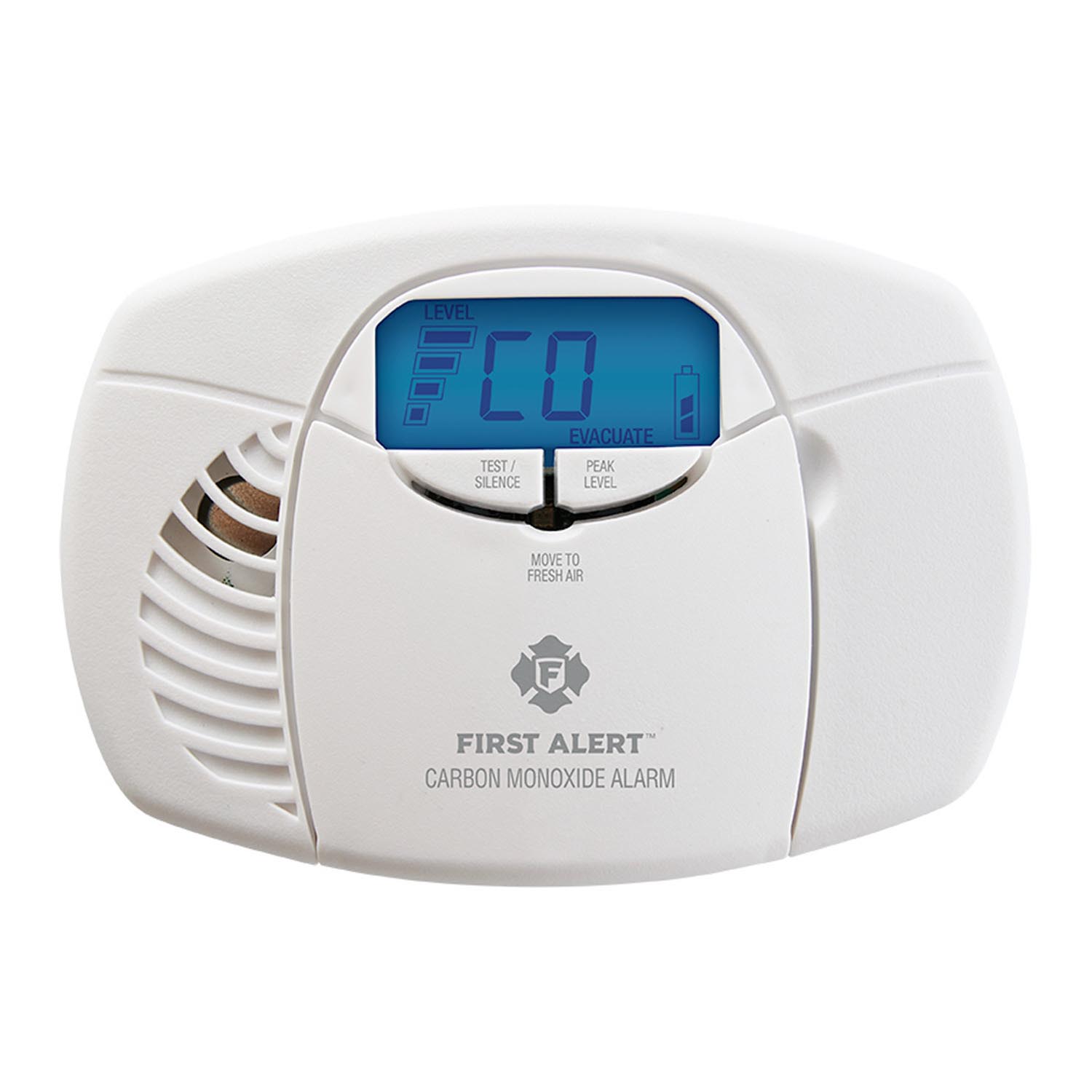
This is probably the most common one. It’s that single, intermittent chirp, usually every 30-60 seconds. It’s your alarm saying, "Hey there, my energy reserves are running low, kind of like when you hit that 3 PM slump and desperately need a coffee!" This chirp is a polite but firm reminder that it’s time to swap out the batteries. It’s an easy fix, often just a couple of AA or 9-volt batteries, depending on your model. Don’t ignore it; a tired guardian isn’t a very good guardian!
Quick fix: Grab the manual or pop open the battery compartment. Replace with fresh ones!
The "I've Lived a Good Life" Beep (End-of-Life Warning)
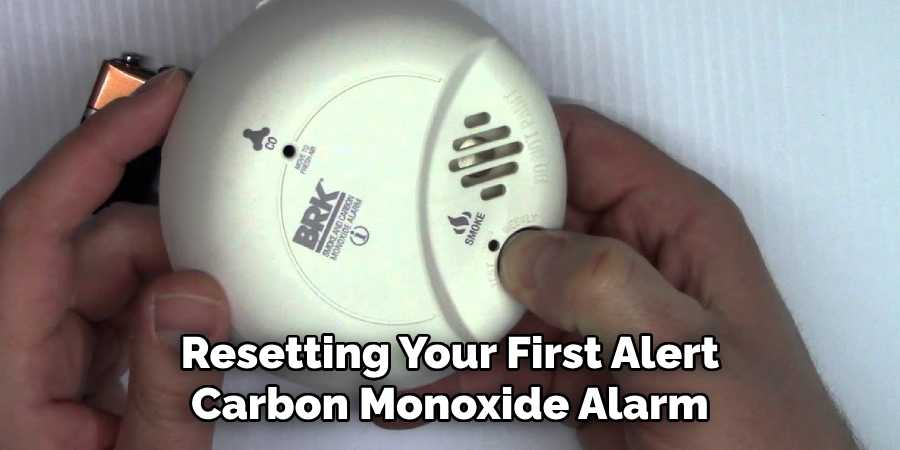
Sometimes, your alarm will give off a different pattern – often a series of chirps or a sustained beep every 30 seconds or so, distinct from the low battery signal. This isn't about power; it’s about age. Most CO alarms have a lifespan, typically around 5-7 years. After this time, their sensors become less reliable. Think of it like your favorite trusty old car – it’s served you well for years, but eventually, it’s time to retire it and get a shiny new model. This beep is your alarm telling you, "My watch is over, time for a new recruit!"
What to do: Check the manufacture date on the back of the alarm. If it’s past its prime, it's time to replace the whole unit.
The "RUN FOR YOUR LIVES!" Alarm (Actual CO Detected)
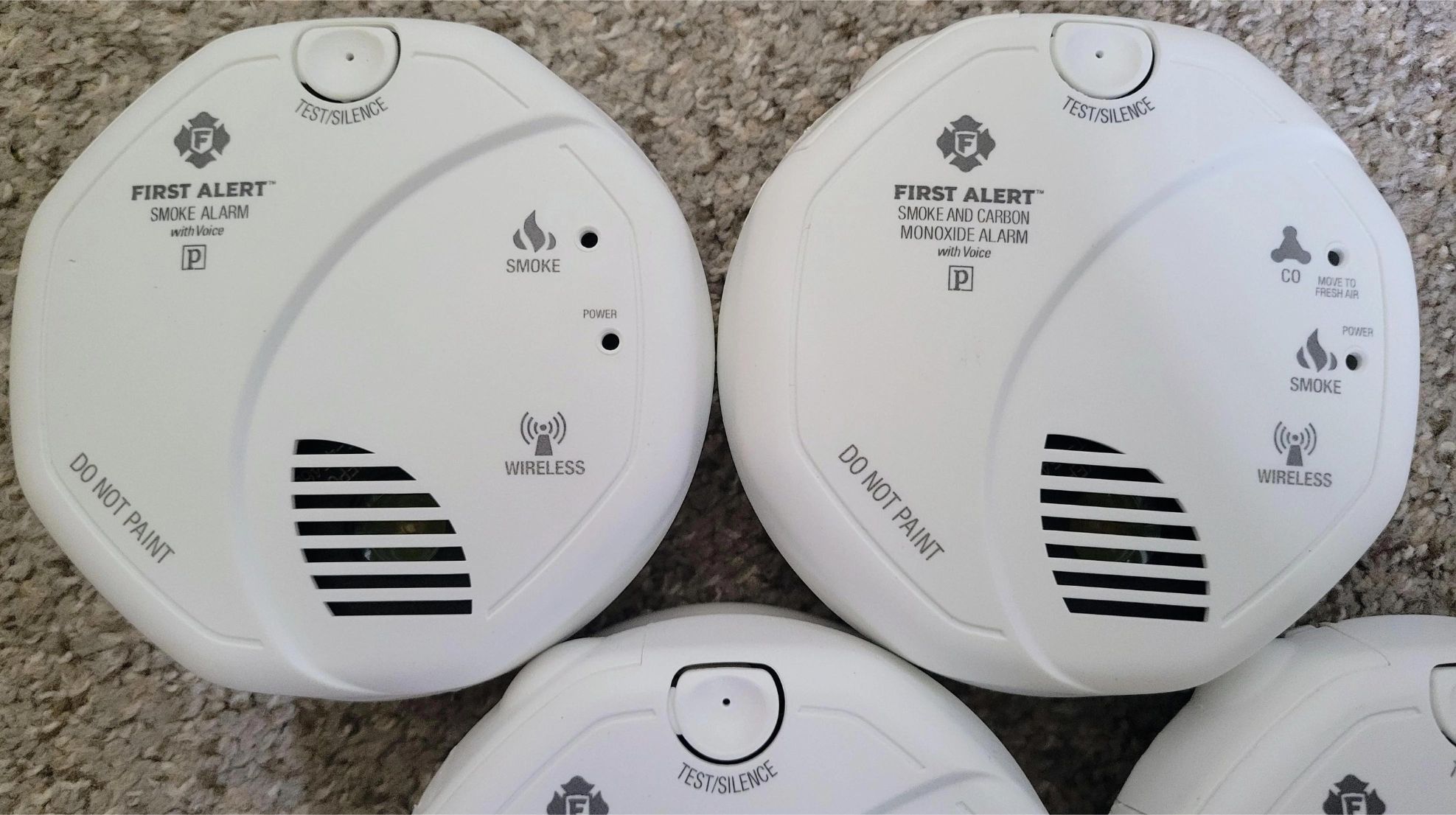
This is the big one, the serious business beep. This isn’t a gentle chirp; it’s usually a loud, continuous alarm – often four rapid beeps followed by a pause, then repeating. This sound means your alarm has detected a potentially dangerous level of carbon monoxide in your home. This is its version of a fire alarm going off, but for an invisible, odorless, tasteless gas. This is not a drill! This is your silent guardian shouting, "Danger! Invisible danger! Move it!"
Immediate action: This isn't the time to investigate. Get everyone (and pets!) out of the house immediately, then call 911 or your local fire department from a safe location. They are the experts who can safely assess the situation.
Why Should We Even Care About This Ninja Gas?
You might be thinking, "Carbon Monoxide? What's the big deal?" Well, my friend, CO is often called the silent killer for a reason. It's like a ninja – you can't see it, smell it, or taste it. It creeps in from things we use every day: furnaces, water heaters, gas stoves, fireplaces, car exhaust, even those cozy outdoor grills if they're used too close to the house. It's a byproduct of incomplete combustion.
If CO builds up in your home, it replaces oxygen in your blood, making you sick and, in severe cases, it can be fatal. Imagine trying to breathe water – that’s sort of what happens at a cellular level. Symptoms can be sneaky too, often mistaken for the flu: headaches, dizziness, nausea, fatigue. You might just feel "off" or "sleepy" without realizing the true culprit. That’s why your CO alarm isn't just a gadget; it’s your personal, early warning superhero, protecting you from something you’d never detect on your own.
It’s literally the only way to know it’s there before it’s too late.
A Little Love Goes a Long Way
So, now that we know what those beeps mean and why this little device is so crucial, let's make sure it's always ready for action:
- Location, Location, Location: Install CO alarms on every level of your home, especially near sleeping areas.
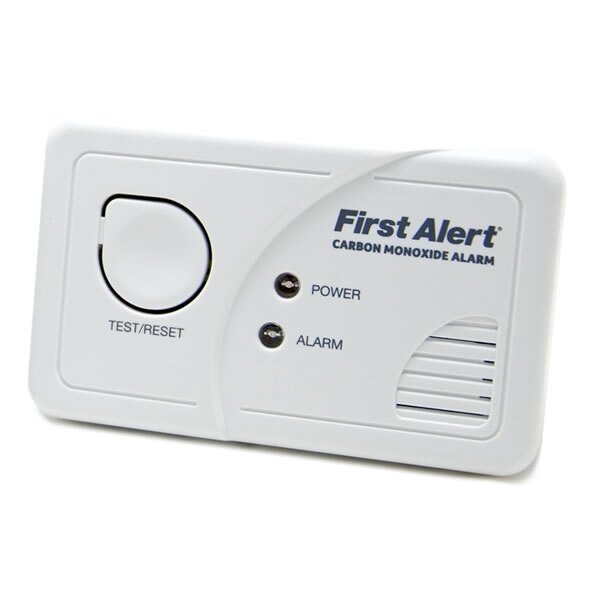
- Test Drive: Give your alarm a little push. Use the "test" button monthly to ensure it's still chirping strongly. It's like giving your car a quick honk to check the horn.
- Fresh Blood: Replace batteries at least once a year (a good trick is to do it when you change your clocks for daylight saving).
- New Recruit: If your alarm is past its expiry date (check the back!), don't hesitate. Get a new one. Their sensors have a finite life.
Think of your Carbon Monoxide alarm not as an annoying noisemaker, but as a tiny, dedicated guardian for you and your loved ones. It’s working silently in the background, keeping an ear out for danger. So, the next time it beeps, don't just groan. Take a moment, understand its message, and give it the attention it deserves. It just might be saving your life, one little chirp at a time.