
Can You Use Salt Water To Put Out Fire
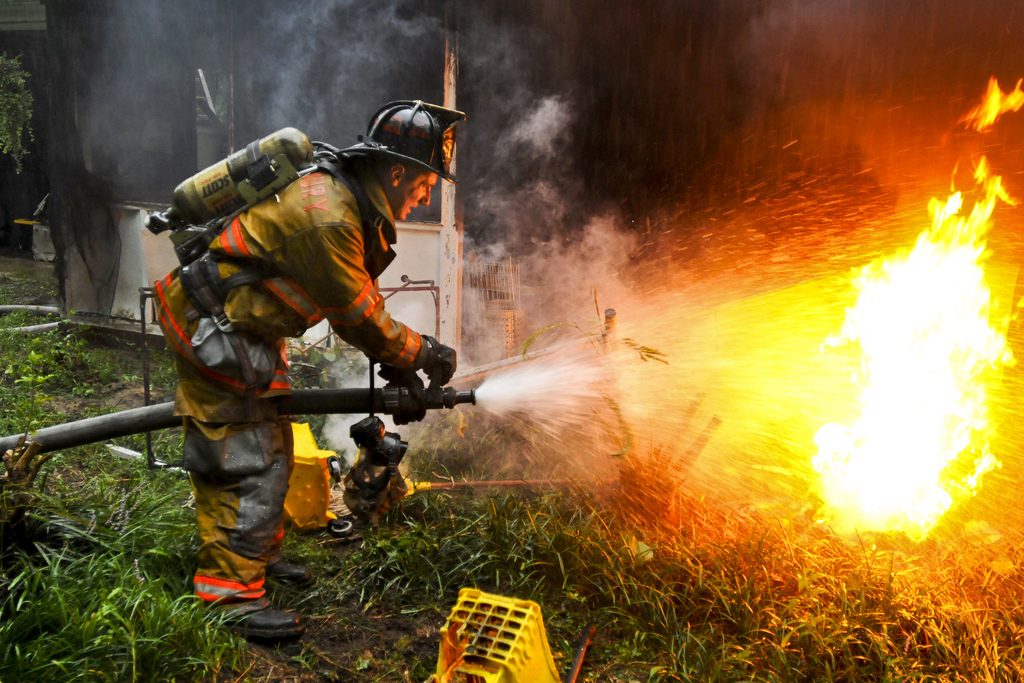
Alright, let's dive into a burning question that probably pops into your head every time you watch a movie with a ship on fire or just stare out at the vast ocean: Can you actually use salt water to put out a fire? It sounds so logical, right? The sea is full of water, fires need water to die. Case closed?
Well, hold your horses, fire chief! It's not quite as simple as grabbing a bucket from the nearest wave. Let's unravel this sizzling mystery with a dash of science, a pinch of common sense, and a whole lot of quirky fun.
The Basic Scoop: How Water Kills Fire
First things first, how does any water put out a fire? It’s pretty straightforward. Fire needs three things: fuel, oxygen, and heat. This is often called the fire triangle. Water, being the awesome liquid it is, primarily attacks the heat.
Must Read
When you dump water on a fire, it sucks up a ton of heat as it turns into steam. This cools the fuel below its ignition temperature. Poof! No more fire. Water also creates a steam barrier that can block oxygen from reaching the flames, giving it a double whammy effect. Pretty neat, huh?
Salt Water vs. Fresh Water: The Main Event!
So, does salt water do the same thing? The short answer is: Yes, absolutely, it can!
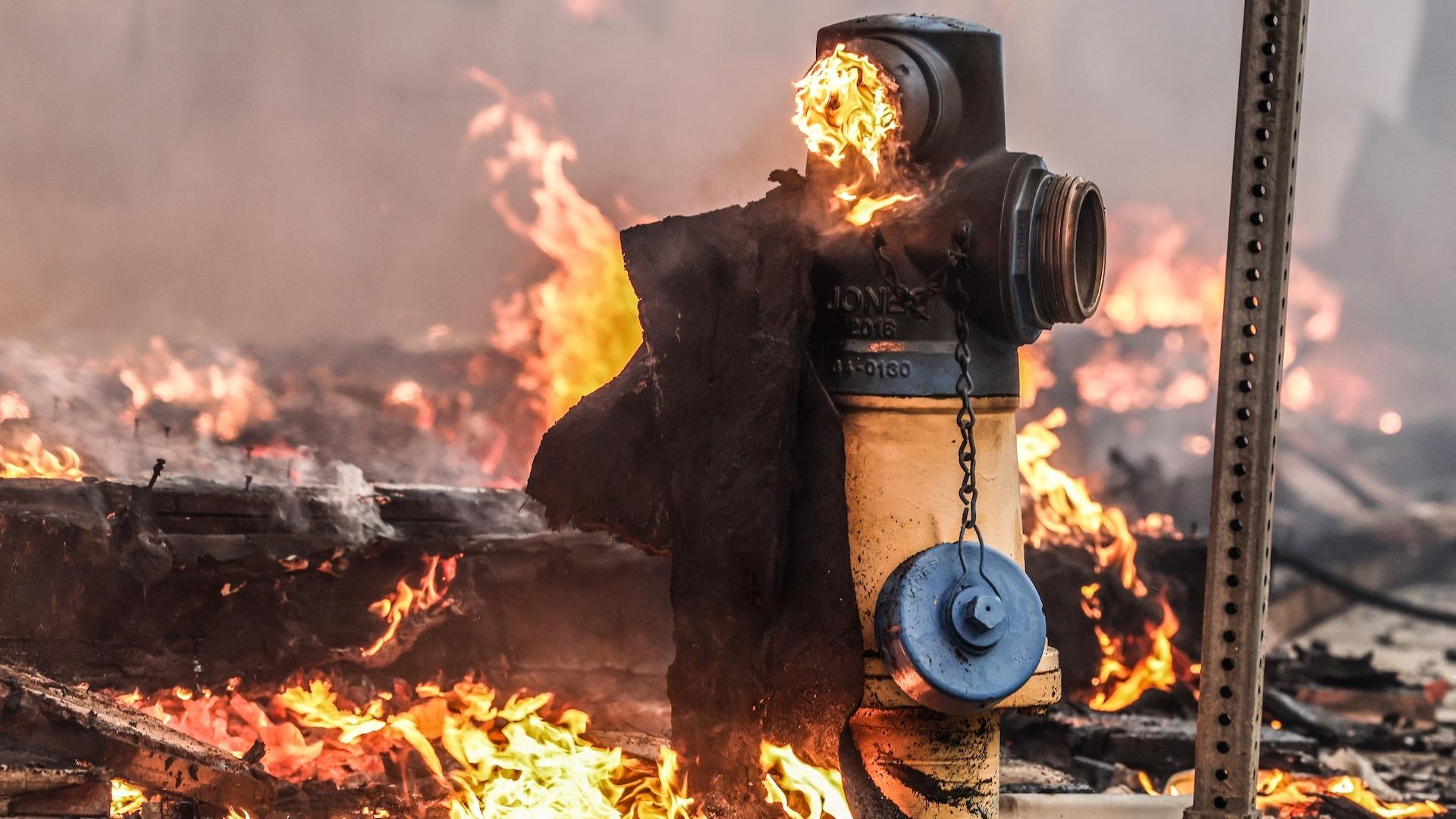
Think about it. Salt water is, like, 96.5% plain old H₂O. That 3.5% of dissolved salts isn't going to stop the water from absorbing heat and turning into steam. So, if you're stuck on a deserted island with a runaway bonfire, and the ocean is your only option, then by all means, get splashing! It will work.
But here’s where things get interesting, and a little bit spicy. While it can put out a fire, it’s often not the best choice, and sometimes, it can even be a terrible idea. Why?
The Salty Side Effects: What You Didn't See Coming
⚡️ Electrical Fires: A Shocking No-No! ⚡️
This is a biggie. If you've got an electrical fire – say, your overloaded power strip decided to spontaneously combust – never, ever use salt water! Or even fresh water, for that matter, unless it's specifically approved for electrical fires (like a water mist extinguisher used by trained professionals).

Why is salt water worse? Because the dissolved salts in it make it an even better conductor of electricity than fresh water. Throwing salt water on an electrical fire is basically asking for a nasty shock, potential electrocution, and possibly making the fire even wilder due to short circuits. Think sparks, zaps, and a very bad day. Stick to a Class C fire extinguisher (the ones for electrical fires) or, if you're feeling brave and safe, cut the power first.
🧪 Chemical Reactions: A Fiery Surprise! 🧪
Certain types of fires, especially those involving specific chemicals or metals (like magnesium or sodium fires), react very poorly with water – any water. But sometimes, the salt itself can introduce an extra layer of unwanted chemical fun. This isn't super common for your average house fire, but in industrial settings or with exotic materials, it's a serious consideration. You could accidentally create a gas, an explosion, or just make the fire much, much worse. Always know your fire type!
Corrosion Catastrophe: The Aftermath!
Okay, let's say you successfully doused your burning barbecue with a bucket of ocean water. Fire's out! Hooray! Now, come back in a few days. That grill (and anything else the saltwater touched) will start to look like it spent a decade at the bottom of the sea. Salt is incredibly corrosive. It eats away at metals, electronics, and pretty much anything it can get its grubby little chlorides on.

Imagine your house after a saltwater dousing. Your appliances, wiring, pipes, even structural components could be permanently damaged. The cleanup and repair bill would be astronomical, far more costly than if you'd used fresh water. So, while it puts the fire out, it introduces a whole new, expensive problem.
🌳 Environmental Impact: Not Just for Your Grill 🌳
Using large quantities of salt water on land-based fires, especially in freshwater ecosystems or agricultural areas, can be an ecological nightmare. Salt can kill plants, contaminate soil, and harm freshwater aquatic life. Firefighters are very mindful of this, which is why you won't often see them spraying ocean water on a forest fire far from the beach.
Where Salt Water Saves the Day (Sometimes!)
Despite all these caveats, there are places where saltwater is the hero! On ships, for instance, saltwater is often the primary firefighting agent. They've got an endless supply, and while corrosion is a concern, it's a known quantity they design for and mitigate.
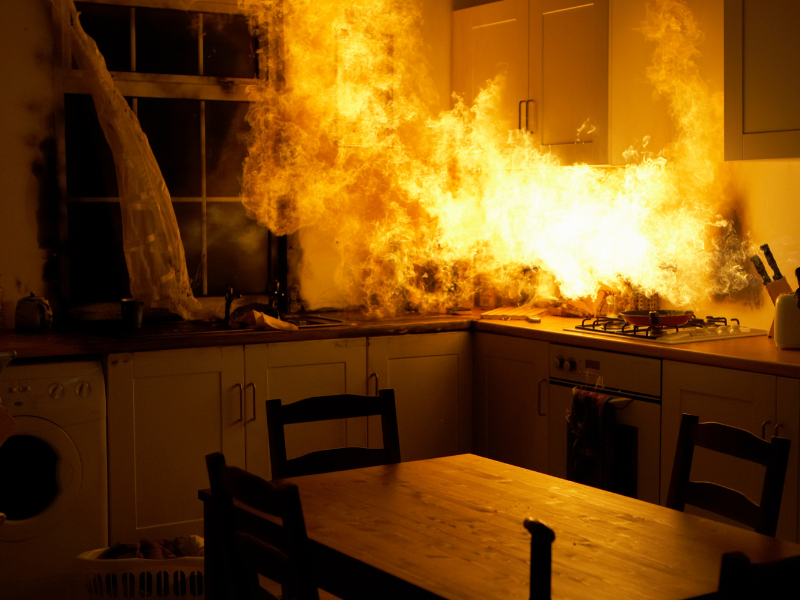
Also, in some coastal regions, especially for large brush fires or structural fires very close to the ocean, firefighters might use saltwater if freshwater resources are scarce or too far away. But they do so with a lot of careful consideration for the type of fire and the surrounding environment.
The Takeaway: Fun Fact, Not First Choice!
So, can salt water put out a fire? Absolutely! It's water, after all, and water is a fire's arch-nemesis. But should you use it? For your average home or car fire? Probably not your best bet!
It's a fantastic thought experiment, a cool piece of trivia, and definitely something to ponder while gazing at the waves. Just remember, when the heat is on, opt for a proper fire extinguisher, fresh water (if safe), or call the pros. Save the ocean for swimming, surfing, and inspiring whimsical "what if" questions!