Picture this: You’re in your happy place, the kitchen. Sizzling sounds fill the air, promising deliciousness. Maybe it’s crispy bacon, golden-brown fries, or a perfectly seared steak getting ready for dinner.
Everything is going great, then whoosh! A mischievous little flame suddenly dances up from your pan. It’s small, but boy, does it grab your attention!
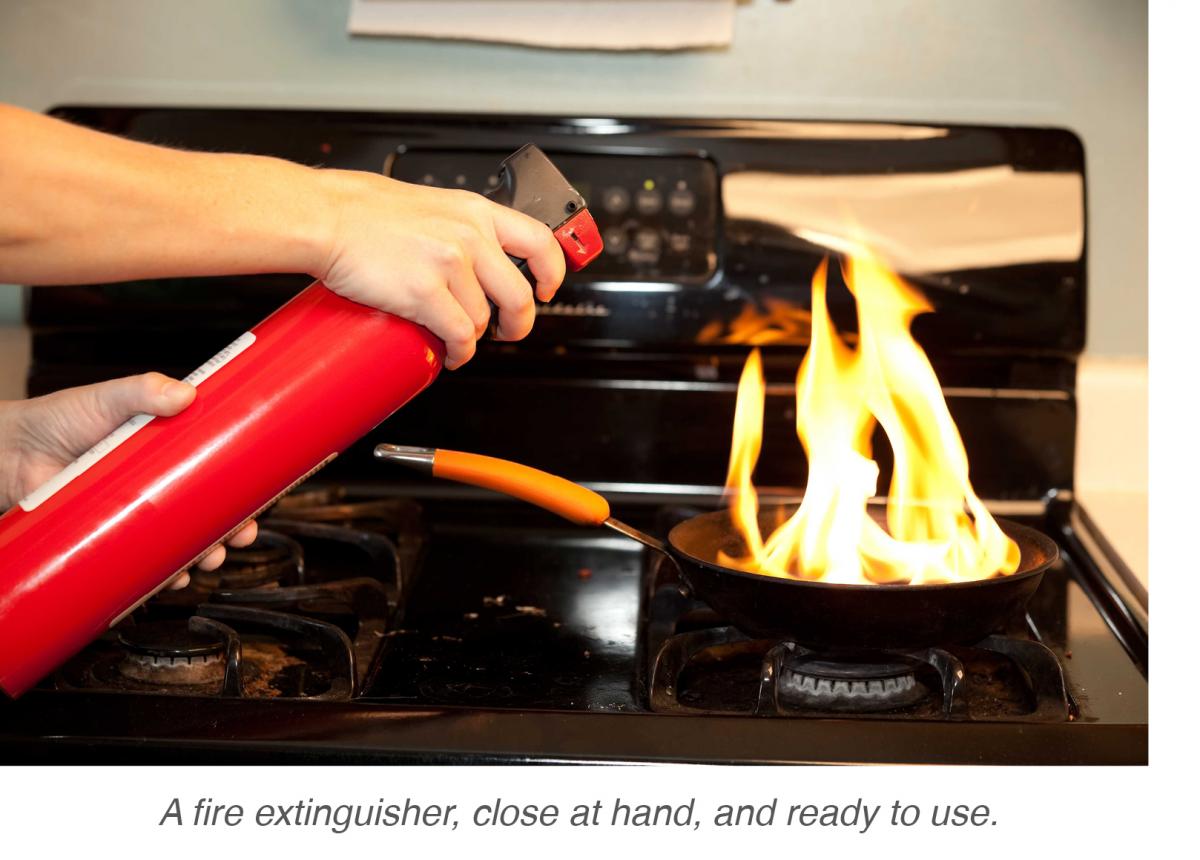
Your mind might immediately jump to the big red canister in the corner, your trusty fire extinguisher. It’s a natural, almost instinctual reaction, right?
That bright red superhero tool is there for emergencies. But when it comes to a grease fire, that trusty extinguisher might actually be more of a super-villain in disguise!
Hold your horses, kitchen crusader! Because while your extinguisher is fantastic for many things, a grease fire often requires a different, dare we say, more elegant approach.
Why Your Regular Extinguisher Might Be a Party Pooper
Most homes are equipped with an ABC-rated fire extinguisher. These are truly awesome for tackling common fires involving wood, paper, fabrics, or even electrical mishaps.
They blanket those flames with a magical puff of chemical goodness. But a grease fire? Oh, that’s an entirely different beast with its own fiery personality.
Imagine trying to stop a super-fast roller skate with a giant, fluffy feather. It might look dramatic, but it’s probably not going to work, and you might just make things fly!
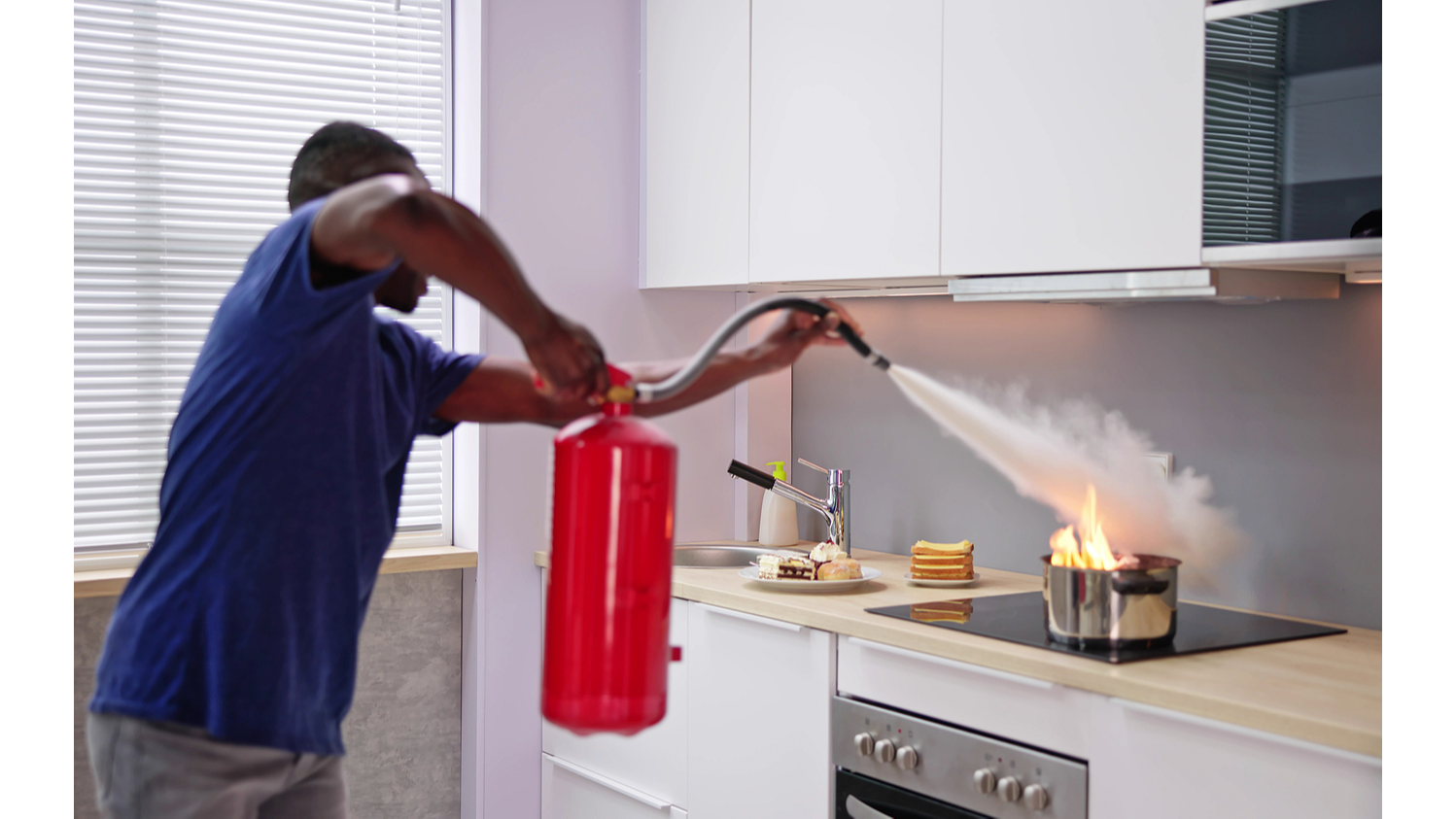
Using a standard ABC extinguisher on a grease fire can sometimes do more harm than good. Instead of putting out the fire, it can actually spray the burning oil.
Those hot, fiery droplets scatter all over your kitchen. Suddenly, your small, contained pan fire becomes a spreading inferno, potentially turning your countertop into a fiery Slip 'N Slide!
That's definitely not the outcome we're aiming for, is it? We want to kindly encourage the fire to leave, not give it a grand tour of your cabinets and curtains.
Warning! Water is the absolute worst thing you can put on a grease fire. It will cause the burning oil to violently splatter, turning a small blaze into a much larger and more dangerous situation. Think of it like adding gasoline to a bonfire!
Best Fire Extinguisher for Grease Fires - rotected
So, for now, let’s keep that traditional extinguisher on standby for other kinds of emergencies. We’ve got some secret, much less splattery, weapons up our sleeve for grease fires.
The Real Heroes of Grease Fire Extinction
Alright, so if the big red can isn't always the answer, what do you do when that pan decides to throw a fiery dance party? First rule of kitchen club: don't panic!
You've got this, and you probably have the best tools right at your fingertips. Your number one secret weapon? A lid!
Yes, a simple lid from a pot, a cookie sheet, or even a metal cutting board can be your ultimate kitchen superhero. Gently, carefully, slide that lid over the flaming pan.
What happens next is pure magic (and science!). You've starved the fire of oxygen, and poof! No oxygen, no fire.
It’s like tucking a naughty flame into bed without its favorite nightlight; it simply can't function. This is often the quickest and safest solution for a pan fire.
While you're doing that heroic lid maneuver, immediately turn off the heat source. Gas or electric, just twist that dial to "off" as quickly and safely as possible.
No more heat means no more fuel for the fire to keep dancing and growing. This double-whammy of smothering and fuel removal is incredibly effective.
What If a Lid Isn't Handy, Or the Fire Is a Tiny Bit Stubborn?
Don't fret, we have another household champion! Reach for the baking soda – and we mean baking soda, not flour!
How to Put Out a Grease Fire – Prepared Hero
Yes, plain old baking soda, the stuff you use for cookies or to make your fridge smell nice, is a fantastic fire fighter for small grease fires.
Sprinkle a generous amount directly over the flames. Baking soda contains carbon dioxide, and when heated, it releases this gas which helps to smother the fire, just like the lid does.
It's like a gentle, chemical hug that tells the fire, "Time to go to sleep now, little flame!" This method is surprisingly effective for smaller, contained fires.
Crucial Distinction! Make absolutely sure it's baking soda and not baking powder or, heaven forbid, flour. Flour is highly flammable and can actually explode when thrown on a fire, creating a dangerous fireball! Think of flour as confetti for a very angry, fiery parade—definitely don’t do it!
Salt can also work for very tiny grease fires, acting similarly to baking soda by smothering the flames. However, for anything more than a small flicker, stick to the lid or baking soda.
Remember, the goal is always to smother the fire and cut off its oxygen supply, not to spray it or try to douse it with liquids.
When to Call in the Real Big Guns (aka 911)
Sometimes, despite our best efforts and our newfound kitchen superhero skills, a fire can get a little too ambitious. If the fire is spreading beyond the pan, or growing rapidly, don't play hero.
If it’s bigger than a basketball, or if you feel unsafe or uncomfortable approaching it, your absolute top priority is to get yourself and your loved ones out of the house immediately.
Then, call 911 immediately from a safe location. That's exactly what they're there for! They have the real big guns, the professional training, and the equipment to handle any fire safely.
Best Extinguisher Types For Grease Fires & Others: Info Report Offers
Don't ever feel silly or embarrassed for calling for help. It’s the smartest, bravest thing you can do for the safety of everyone involved. Safety first, always!
The Mysterious Class K Extinguisher: A Secret Agent for Grease
Now, you might be thinking, "But I've seen fire extinguishers in professional kitchens! Are those different?" Ah, my friend, you've spotted the elusive Class K extinguisher!
These are the specialized secret agents of the fire-fighting world, designed specifically for commercial kitchens. They are engineered to tackle combustible cooking fuels like deep-fryer oils and animal fats.
Class K extinguishers use a special wet chemical agent. This chemical creates a foamy blanket that not only smothers the fire but also cools the super-hot oil, preventing it from reigniting.
It’s like giving the fire a super-soft, flame-retardant duvet that tucks it in permanently. You won't typically find these in a residential kitchen, though.
They are powerful and necessary for larger, professional-grade grease fires. So, unless you're running a five-star restaurant out of your home, stick to your trusty lid and baking soda.
A Quick Extinguisher Refresher (for Other Fires!)
Just because your regular extinguisher isn't ideal for grease, doesn't mean it's useless! It's still a vital piece of safety equipment for other types of home fires.
Remember the easy-to-learn PASS method for using an extinguisher effectively when it is the right tool for the job.
Pull the pin.
Kitchen Fire Extinguisher 101: Everything You Need to Know!
Aim low at the base of the fire.
Squeeze the handle.
Sweep side to side.
That's a fantastic skill to have for wood, paper, or even electrical fires. But for our greasy troublemakers, we're sticking to the home-grown, smothering tactics.
It’s all about knowing the right tool for the right job, isn't it? Being prepared means knowing how to react to different types of fire with the most effective strategy.
You Got This, Kitchen Champion!
So, the next time you're whipping up a storm, and a little flame tries to join the party uninvited, don't panic! You’re now a certified grease fire guru!
You know the secret handshakes: the lid, the baking soda, and the all-important "turn off the heat" maneuver. You're equipped with knowledge to handle it calmly and effectively.
And most importantly, you know when to call in the professionals, with absolutely no shame in that game. Your safety and the safety of your home are paramount.
Feel empowered, feel prepared, and feel like the kitchen champion you are. Your home is safer, and your cooking adventures can continue with confidence and flair.
Now go forth and fry, sauté, and simmer with your newfound wisdom! Just remember: grease fires often prefer a simple lid to a big red can.