
Can You Take Tylenol And Mucinex
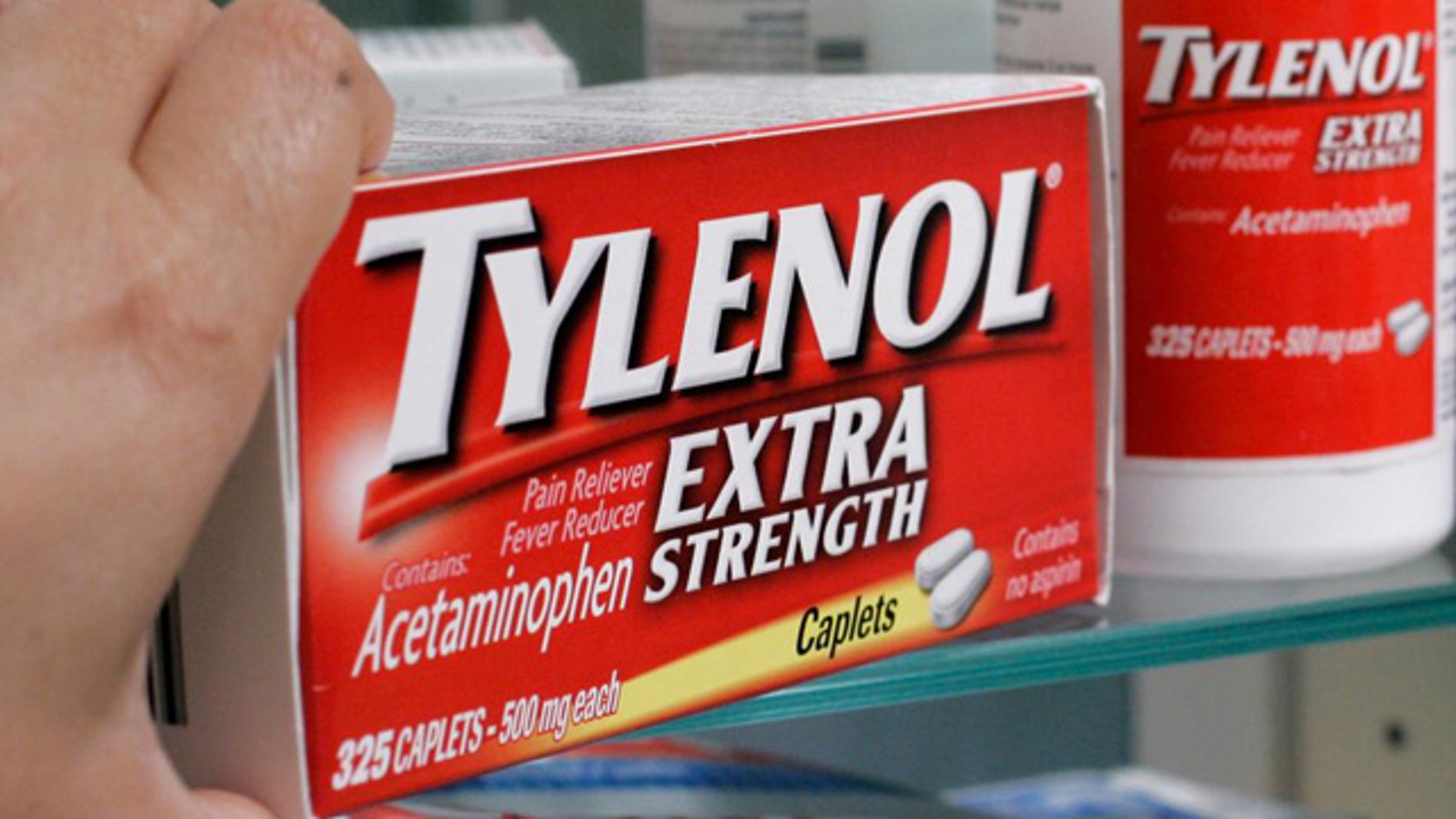
Okay, let's be real. We've all been there. You're sniffling. Your head feels like it's hosting a rave. And your chest? Sounds like a frog convention. The age-old question pops into your head: Can I unleash the power of Tylenol and Mucinex at the same time?
The internet is full of "consult your doctor" and "potential drug interactions." But honestly? Who has time for that when you feel like you're melting into the couch? So, let's dive into this with a healthy dose of common sense and a dash of maybe-I-shouldn't-be-giving-medical-advice-but-I'm-going-to anyway.
The Great Medicine Mashup: Tylenol vs. Mucinex
First, let's break down our contenders. Tylenol, also known as acetaminophen, is the MVP for pain relief and fever reduction. It's like the chill friend who always knows how to lower the temperature. Mucinex, armed with guaifenesin, is all about kicking that mucus to the curb. It's the energetic cheerleader, yelling, "Get that gunk out!"
Must Read
Individually, they're pretty straightforward. One chills you out, the other mobilizes the phlegm army. But together? That's where things get interesting.
The Unpopular Opinion (Prepare Yourselves!)
Here's my unpopular opinion: Generally, it's probably fine. I know, I know, the medical community is clutching their pearls. But hear me out. We're talking about a headache and some chest congestion, not brain surgery and open-heart complications.

Tylenol addresses the pain and fever, while Mucinex tackles the mucus. They work on different fronts. It's like having a cleaning crew. One person vacuums (Tylenol taking away the ache), while the other attacks the dirty dishes (Mucinex clearing out the chest congestion).
Of course, I'm not a doctor. I just play one on the internet. And if you have pre-existing conditions, take other medications, or feel like something's really wrong, definitely call your doctor. Like, seriously. Don't come crying to me when you've grown a third eye.
But Wait, There's More! (The Fine Print)
Here's the catch. Read the labels! Always read the labels! Some cold and flu medications already contain both acetaminophen and an expectorant. So, you might accidentally be doubling down on one ingredient, which is a big no-no. You don't want to overdo it on Tylenol; that's not a fun time. Your liver will stage a protest.

And while we're at it, drink plenty of water. Mucinex needs moisture to do its magic. It's like trying to wash dishes with no water – you'll just end up with sticky mess. Hydration is your friend.
My (Potentially Reckless) Conclusion
So, can you take Tylenol and Mucinex together? In my humble (and possibly irresponsible) opinion, probably. But do your homework. Read the labels. Stay hydrated. And if you feel weird, call a real doctor. They’re the experts, not some random person on the internet (that's me!).

And remember, a little rest and chicken soup never hurt anyone. Unless you're allergic to chicken, then maybe skip the soup. But definitely get the rest.
Now if you excuse me, I think I feel a tickle in my throat... where's that Mucinex?
Disclaimer: This article is intended for entertainment purposes only and does not constitute medical advice. Always consult with a qualified healthcare professional before taking any medications, especially if you have pre-existing medical conditions or are taking other medications. The author is not responsible for any adverse effects resulting from the use of the information contained in this article.
