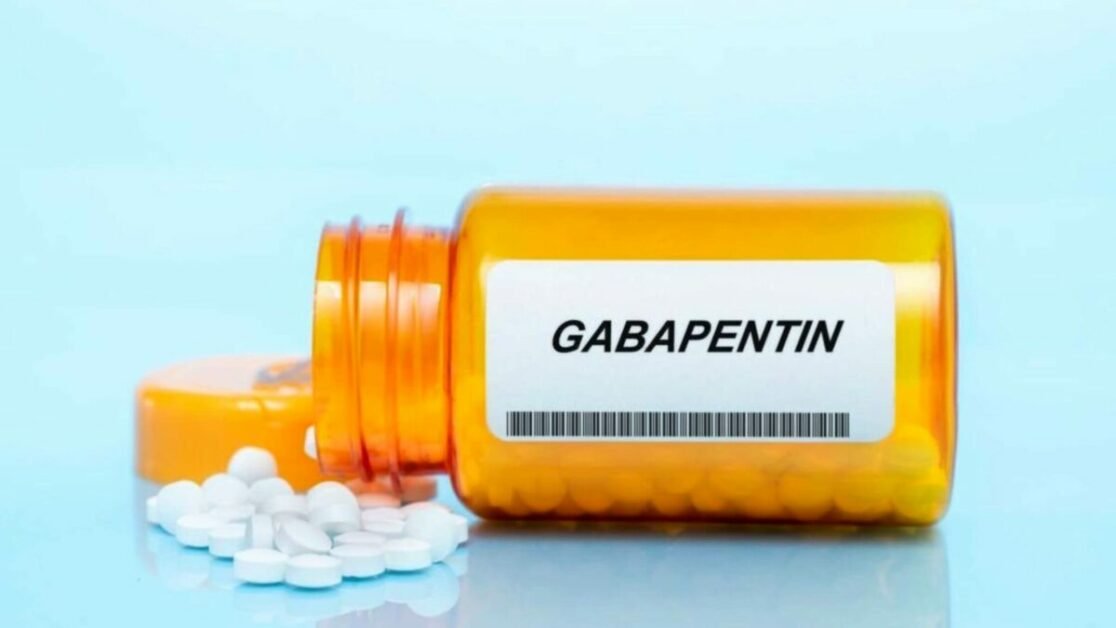
Can You Take Gabapentin For Back Pain

Okay, let's talk about back pain. I mean, who hasn't experienced that nagging ache, that dull throb, or that sharp, shooting pain that makes you feel like you've suddenly aged about 50 years? Whether it's from a weekend warrior overdoing it in the garden, hunching over a laptop all day (guilty!), or just plain old getting older, back pain is a seriously common complaint.
And when that back pain hits, we're all searching for relief. Maybe you've tried heat packs, ice packs, stretching, yoga... the list goes on. But sometimes, those things just don't cut it. That's when people start exploring other options, and that's where Gabapentin often comes into the conversation.
So, What Exactly Is Gabapentin?
Imagine Gabapentin as a friendly, albeit slightly quirky, messenger in your brain. It's an anticonvulsant, meaning it was originally designed to help control seizures. But it turns out, this little messenger also has a knack for calming down overexcited nerves. Think of it like a tiny referee breaking up a fight between your nerves when they’re screaming "PAIN!" at your brain.
Must Read
Now, it's crucial to understand that Gabapentin isn't a simple painkiller like ibuprofen or acetaminophen. Those work by reducing inflammation or blocking pain signals directly. Gabapentin works differently. It sort of modulates, or adjusts, the way your nerves transmit pain signals. It's like turning down the volume on a really loud radio – you still hear something, but it's not as jarring.
Can It Actually Help My Back Pain?
This is the million-dollar question, right? The honest answer is... it might. Gabapentin can be effective for certain types of back pain, particularly neuropathic pain. This is pain caused by nerve damage or dysfunction. Think of it like a frayed wire sending erratic signals. Examples of neuropathic back pain include sciatica (that radiating pain down your leg) or pain after surgery that hasn't resolved properly.

For example, my aunt Susan swears by it for her sciatica. She used to hobble around like she was auditioning for a pirate movie. Now, she can actually chase after her mischievous cat, Mr. Fluffernutter, without wincing every step of the way. (Mr. Fluffernutter is a known sock thief, by the way.)
However, and this is a BIG however, Gabapentin is less likely to be effective for general, run-of-the-mill muscle aches and strains. If you pulled a muscle lifting a heavy box, Gabapentin probably won't be your first line of defense. In those cases, more traditional pain relievers, rest, and physical therapy might be more helpful.
Why Should I Even Care? It Sounds Complicated!
You should care because living with chronic back pain sucks. It can impact everything – your mood, your sleep, your ability to work, your social life. It can make even simple things, like tying your shoes or playing with your kids, feel like monumental tasks. If you’re struggling, knowing that there might be another option out there is empowering.

Knowing about Gabapentin and its potential uses means you can have a more informed conversation with your doctor. You can say, "Hey, I've been researching my back pain, and I wonder if Gabapentin might be an option for me, given the type of pain I'm experiencing." This shows you're actively engaged in your own healthcare, and that's always a good thing.
Things to Keep in Mind (The Not-So-Fun Part)
Like all medications, Gabapentin has potential side effects. These can include drowsiness, dizziness, fatigue, and swelling. Some people also experience mood changes or problems with coordination. It's super important to discuss these potential side effects with your doctor before starting Gabapentin. Don't just take my word for it (or your aunt Susan's, bless her heart!).

Also, and this is crucial: Never start or stop taking Gabapentin without talking to your doctor. Abruptly stopping can lead to withdrawal symptoms. Your doctor can help you safely taper off the medication if needed.
The Takeaway? Talk to Your Doctor!
Ultimately, whether or not Gabapentin is right for your back pain is a decision you need to make in partnership with your doctor. They can properly diagnose the cause of your pain, assess your individual risk factors, and determine if Gabapentin is a safe and appropriate treatment option for you.
Think of it like this: I can tell you all about my favorite pizza toppings, but you are the one who gets to decide what goes on your pizza. I can tell you about Gabapentin, but your doctor is the chef who knows best what will work for your specific situation. So go talk to them! Your back (and your future pizza choices) will thank you.