
Can You Run A Refrigerator On An Extension Cord
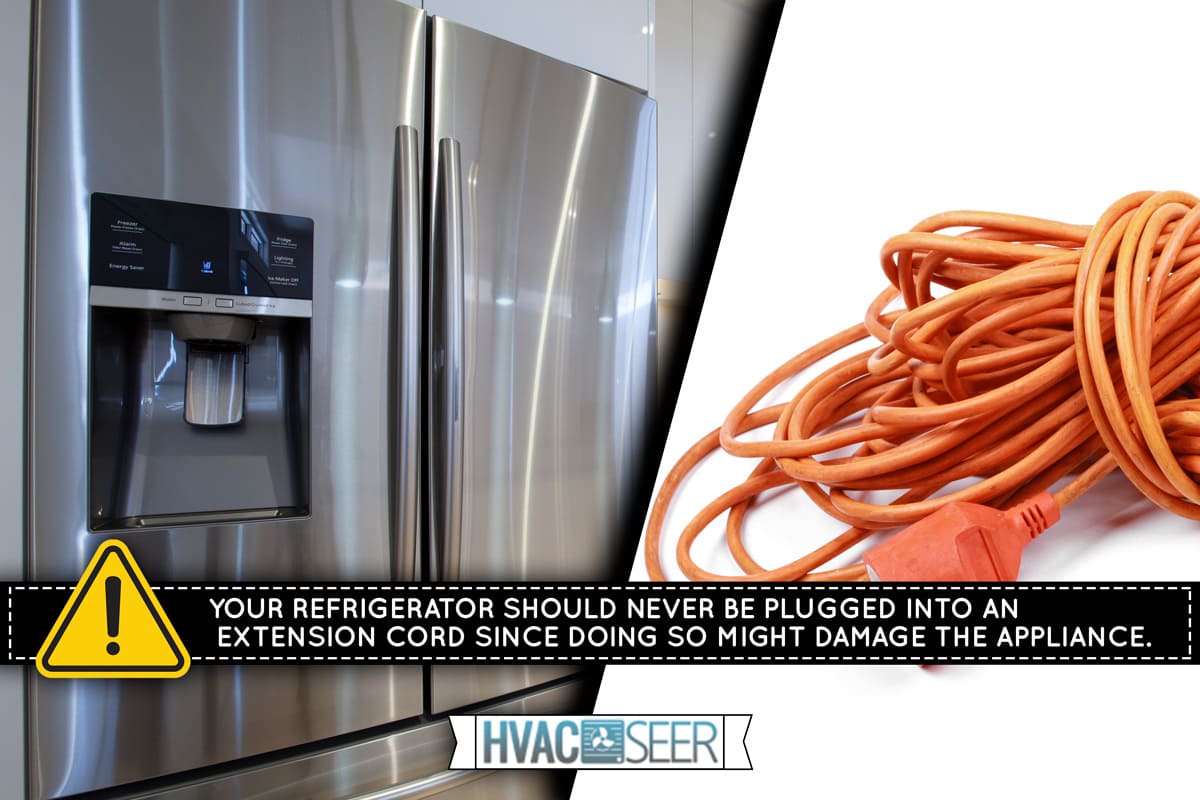
Okay, let's talk refrigerators and extension cords. Sounds riveting, right? Probably not. But stick with me, because there's more to this everyday pairing than meets the eye. We're not going to get bogged down in volts and amps (unless you really want to), but we are going to explore the quirky, often-overlooked world where our frosty food haven meets the, shall we say, sometimes-sketchy world of portable power.
The Great Extension Cord Debate: Fridge Edition
The question, the burning question, that so many homeowners and apartment dwellers ponder is this: Can I run my refrigerator on an extension cord? The answer, like a good sitcom, is "it depends." And trust me, the consequences of getting it wrong can be far more dramatic than a lukewarm beer.
Imagine this: You've just scored an amazing deal on a new fridge, a sleek stainless steel beauty with all the bells and whistles. You get it home, only to discover… the outlet is juuuust out of reach. Panic sets in. Do you call an electrician? Re-arrange your entire kitchen? Or...do you reach for that trusty extension cord lurking in the garage?
Must Read
That extension cord, my friends, is a siren song. It promises convenience, a quick fix, a way to avoid the hassle. But before you plug in, let's consider the potential drama.
"My uncle Phil," recalls a friend named Sarah, "thought he was being clever. He ran his mini-fridge in the basement, the one filled with his 'special' sodas, on this super-thin extension cord he found in a box. Long story short, the cord got so hot it melted. The smell of burning plastic filled the house. He swore he almost burnt down the garage and only saved it by throwing a bucket of water."
Okay, that's an extreme example. But it highlights a key point: not all extension cords are created equal. That flimsy little cord you use for your lamps? Probably not the best choice for a power-hungry refrigerator. Refrigerators, especially older ones, draw a significant amount of power, especially when the compressor kicks in.

Choosing the Right Cord: A (Very) Simplified Guide
So, what's the right cord? Look for heavy-duty extension cords. We're talking thick, chunky cables that can handle a serious electrical load. Check the gauge – the lower the number, the thicker the wire, and the more power it can handle. A 12- or 14-gauge cord is generally recommended for appliances like refrigerators.
And here's a crucial tip: avoid using multiple extension cords daisy-chained together. It's like trying to water your garden with a bunch of kinked-up hoses – it reduces the flow and creates a potential fire hazard. Think of it as a really stressful game of electrical dominoes, where one wrong move can bring the whole system crashing down (in flames, potentially!).
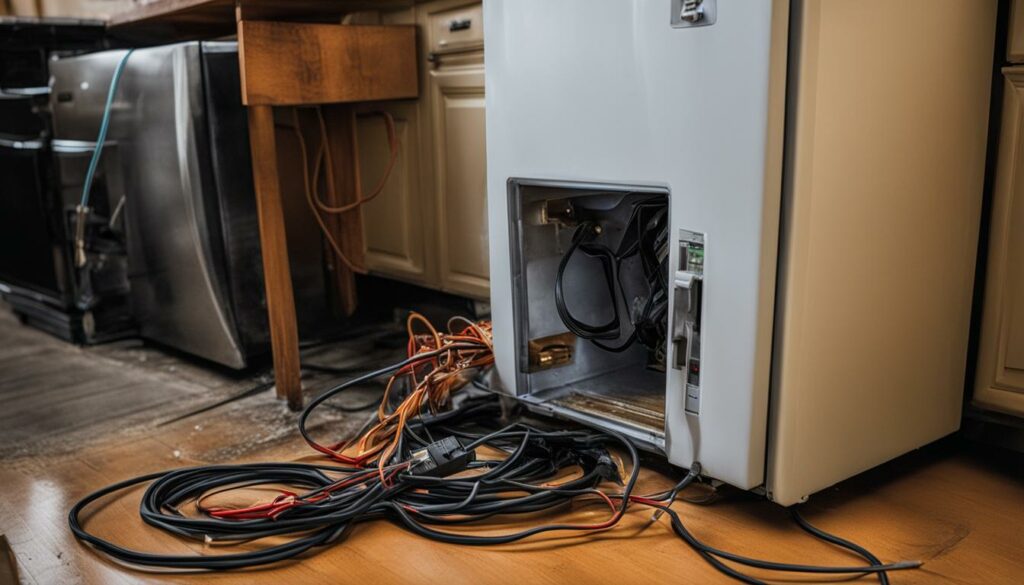
But let's get back to the human side of things. Think about the implications of a fridge on an extension cord. Are you placing it in a high-traffic area where someone might trip over the cord? Are there pets who might chew on it (because, let's face it, some pets will chew on anything)? These are the everyday realities that often get overlooked in the face of our desperate desire for a cold drink.
Let's be realistic. Sometimes, you just need to use an extension cord. Perhaps you're renting, and re-wiring the kitchen isn't an option. Or maybe you're temporarily relocating your fridge for a party (because who doesn't want ice-cold beverages on the patio?). In those cases, prioritize safety. Use a heavy-duty cord, inspect it regularly for damage, and make sure it's properly grounded.

And remember, the best solution is always to have a dedicated outlet installed by a qualified electrician. It's the responsible, adult thing to do. But if you absolutely must rely on an extension cord, treat it with respect. It's not just a piece of wire; it's the lifeline connecting your precious food to the power grid.
In the end, the question isn't just can you run a refrigerator on an extension cord, but should you? The answer, as always, lies in careful consideration, a healthy dose of common sense, and maybe a quick chat with your friendly neighborhood electrician. After all, nobody wants a fridge full of spoiled food and a house smelling of burnt plastic. Especially Uncle Phil.
