
Can You Pay For Semaglutide With Fsa
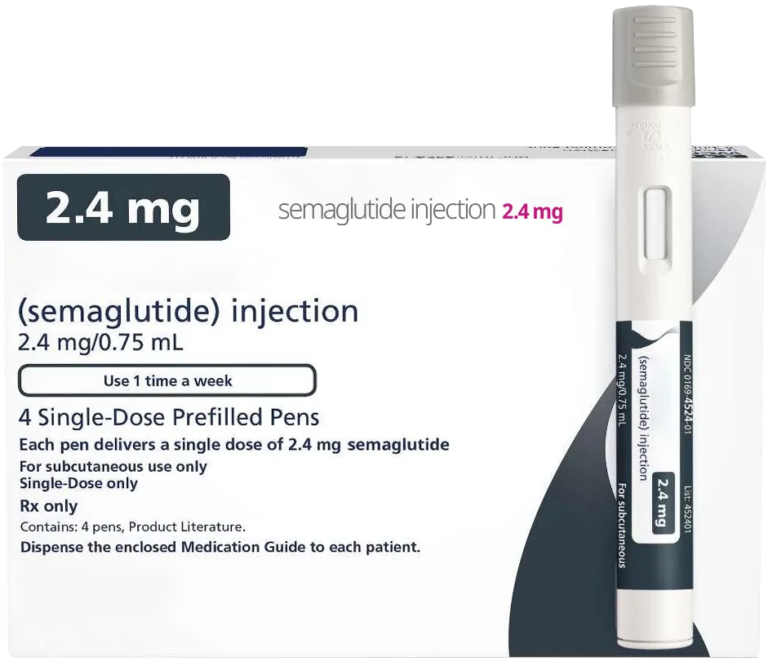
Okay, picture this: You're standing in line at the pharmacy, prescription in hand for semaglutide. You're feeling good, hopeful, maybe even a little sassy because you're taking charge of your health!
Then the cashier asks for your payment. The dreaded moment of truth!
The FSA Frenzy: Can You Use It for Semaglutide?
Let's cut to the chase: Can you use your FSA (Flexible Spending Account) to pay for semaglutide? The answer, my friend, is…it depends!
Must Read
I know, I know, that's the most annoying answer ever. But stick with me, we'll break this down faster than you can say "insulin resistance."
Decoding the FSA Fine Print
First things first, what exactly is an FSA? Think of it as your pre-tax health savings superhero. You put money in, and then you can use it for qualified medical expenses.
Those expenses typically include things like doctor visits, prescriptions, and even that fancy new toothbrush your dentist recommended (the one that practically brushes your teeth for you!).
Now, the key phrase here is "qualified medical expenses." That's where semaglutide enters the arena, ready for battle.
The IRS, the ultimate rule-maker, gets to decide what qualifies. It's like they have a giant gavel and just declare what's in and what's out.
Generally, to use FSA funds, your doctor needs to prescribe semaglutide to treat a specific medical condition. Think of it as a golden ticket to FSA-land.
So, if your doctor prescribed it for type 2 diabetes, you're likely in good shape. It’s considered a necessary medical expense.
But what if you're using it for weight management? This is where things get a little…murkier than a swamp after a frog convention.

Weight loss medications have historically been a tricky area. The IRS likes to keep us on our toes, you know?
The Weight Loss Waiver: A Potential Loophole?
Here's a glimmer of hope, though! Some FSA plans might allow weight loss medications if you have a letter of medical necessity from your doctor.
This letter basically says, "Yes, this patient really needs this medication for their health." It's like a doctor's note for your wallet.
The IRS Publication 502 outlines eligible medical expenses, so it's worth a peek. Think of it as light bedtime reading...if you're an accountant.
However, each FSA plan can have its own specific rules. Some plans are stricter than others. It's like having different bouncers at different clubs.
Before you get your hopes sky-high, contact your FSA administrator. Ask them directly about their policy on semaglutide for weight management.
Don't be afraid to ask them to spell it out in plain English. No one wants to wade through pages of jargon that would make a lawyer dizzy!
Think of your FSA administrator as your own personal health expense Yoda. "Ask them, you must. Know the rules, you shall."

Documentation is Your Best Friend
If your FSA does cover semaglutide, get ready to become a master documentarian. You'll need proof!
Keep copies of your prescription, your doctor's letter of medical necessity (if required), and your pharmacy receipts. Treat them like precious treasures.
Your FSA administrator might ask for this documentation when you submit your claim. Don't let them catch you unprepared!
Imagine your receipts are like little soldiers, standing guard to protect your hard-earned FSA dollars.
What if My FSA Says No?
Okay, let's say you jumped through all the hoops, did your research, and your FSA still says "no way, Jose" to covering semaglutide.
Don't despair! You still have options. Remember, there are other avenues to explore.
First, talk to your doctor about potential alternatives that might be covered. There could be other medications or treatment plans that fit the bill.
Second, consider exploring other savings options. Some pharmaceutical companies offer discount programs or patient assistance programs for semaglutide.
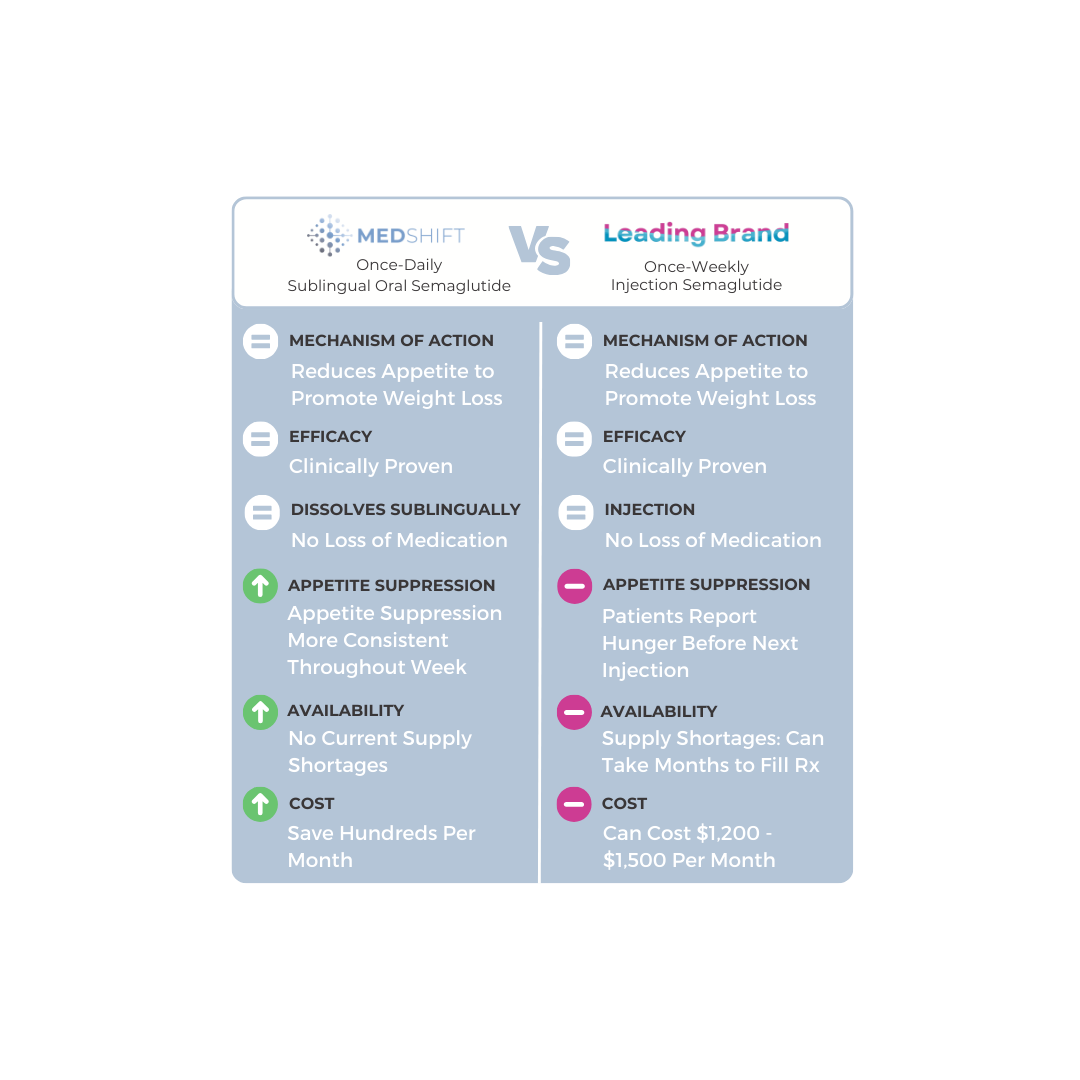
Third, check out resources like GoodRx or SingleCare for potential discounts on your prescription. Every little bit helps!
Fourth, think about using a Health Savings Account (HSA) if you have one and it's allowed. HSA's have different rules than FSA's.
Remember, taking care of your health is an investment, and it's worth exploring all your options to make it affordable.
The Bottom Line: Research, Research, Research!
So, can you pay for semaglutide with your FSA? The answer is a resounding...maybe!
The key takeaway is to do your homework. Contact your FSA administrator, talk to your doctor, and gather all the necessary documentation.
Don't just assume that your FSA will automatically cover it. Be proactive and take control of your health spending.
And hey, even if your FSA doesn't cover it, remember that you're still awesome for taking steps to improve your health. Give yourself a high five!
Think of it as a detective mission. You're searching for the truth about your FSA coverage. Put on your detective hat and get to work!

Navigating the world of health insurance and FSAs can feel like trying to solve a Rubik's Cube blindfolded while riding a unicycle. But don't give up!
With a little research and persistence, you can figure out the best way to pay for your semaglutide and stay on track with your health goals.
Remember, you've got this! You're a savvy, health-conscious superstar, ready to conquer the world of FSAs and beyond.
Now go forth and conquer...and maybe treat yourself to a healthy snack afterwards. You deserve it!
Just kidding (mostly)! Seriously though, stay informed and stay healthy!
And one last piece of advice: read the fine print. Always read the fine print. It's like the secret decoder ring for your FSA.
You're now equipped with the knowledge to navigate the FSA landscape. Go forth and spend wisely!
Remember, your health is an investment, not an expense. Take care of yourself, and don't be afraid to advocate for your needs.
Now go out there and make the most of your health journey! You've got this!