
Can You Leave Eggs Out Overnight
Okay, let's talk eggs. We've all been there, right? You're whipping up a late-night omelet fueled by sheer willpower and the flickering light of the fridge, and then… BAM! Morning. You stumble into the kitchen, half-asleep, and there they are. Sitting serenely on the counter. The forgotten eggs.
The big question screams in your head: Can you still use them? Are you about to embark on a culinary adventure, or a one-way trip to Flavor Town...the bad kind of Flavor Town, population: salmonella?
The Great Egg-Scape: Why It Happens
Honestly, forgetting eggs happens to the best of us. Maybe you got distracted by a rogue meme. Maybe your cat started singing opera (it's happened to me, I swear!). Or maybe you just plain spaced out. Whatever the reason, those little oval orbs are now at room temperature and staring you down.
Must Read
Think of it like this: your fridge is like a heavily guarded VIP lounge for bacteria. It keeps those party-crashing microbes at bay. But once those eggs leave the cool confines of the fridge, it's like they've stepped onto the red carpet – and the paparazzi (aka bacteria) are all over them.
The 2-Hour Rule: A Golden Standard (Sort Of)
The USDA (United States Department of Agriculture), those lovely folks who keep us safe from questionable food, have a pretty firm rule: Don't leave perishable food, including eggs, at room temperature for more than 2 hours. Two hours! That's less time than it takes to binge-watch an episode of your favorite show! (Okay, maybe not Game of Thrones, but still...).
But what if it's been, say… eight hours? Or gasp overnight?
The Danger Zone: Where Bad Eggs Go to Party
The temperature danger zone is between 40°F and 140°F (4°C and 60°C). This is where bacteria like to throw raves and multiply like rabbits. Leaving eggs out overnight puts them squarely in the middle of this bacterial bacchanal.
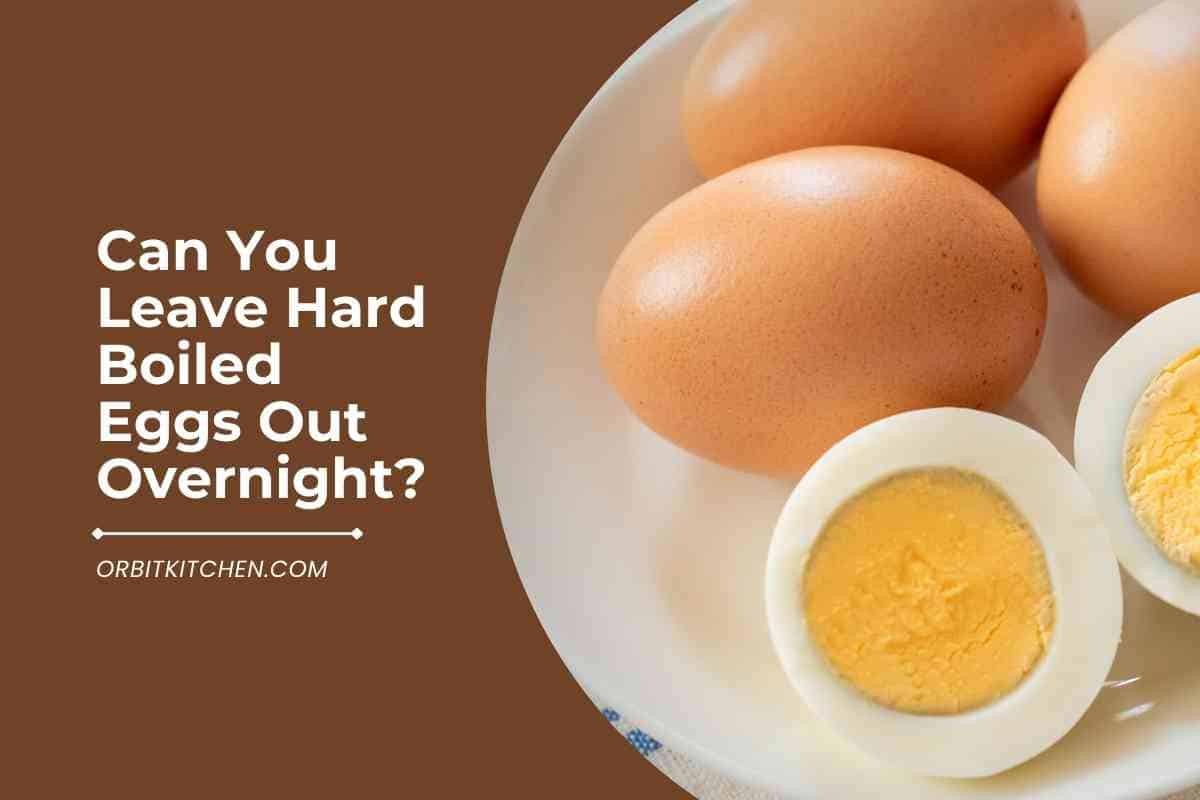
Now, I know what you're thinking: "But my grandma always left eggs out, and she lived to be 100!" And hey, maybe she did. But food safety guidelines have evolved, just like fashion trends. Remember leg warmers? Exactly. We've learned a few things since then.
The "Float Test": Not as Reliable as You Think
You might have heard of the "float test" – put the egg in water, and if it floats, it's bad. Sounds scientific, right? Well, not really. While a floating egg can indicate spoilage, it doesn't guarantee it. An egg floats because as it ages, it develops an air pocket inside. But that doesn't necessarily mean it's crawling with salmonella. It just means it's old(er).

So, relying on the float test alone is like diagnosing yourself with WebMD – you’ll probably just end up more confused and paranoid.
The Verdict: When in Doubt, Toss It Out
Here's the bottom line: If those eggs have been sitting out for more than 2 hours, especially overnight, it's best to err on the side of caution and toss them. I know, it hurts. It feels like throwing money down the drain. But a potential case of food poisoning is definitely not worth saving a few pennies.

Think of it as an investment in your health and sanity. Because trust me, spending the next 24 hours worshiping the porcelain throne is not a fun vacation.
Next time, set a reminder on your phone. Train your cat to guard the eggs. Hire a personal egg-sitter. Whatever it takes! Just remember, when it comes to forgotten eggs, better safe than sorry.
And hey, at least you have a good story to tell!