
Can You Lay Down A Tv To Transport It
Ah, the thrill of a new TV! Or perhaps the daunting task of moving your beloved home cinema setup to a new pad. Either way, that sleek, glorious slab of entertainment is often one of the first things we worry about. You've got the car open, the buddies on standby, and then the question hits: "Can we just lay it flat?"
It's a common dilemma, and one that feels intuitively okay, especially with how thin and light modern TVs have become. You’re probably thinking, "It's just a screen, right? What's the big deal if it takes a horizontal nap for an hour?" Well, my friend, let's dive into the fascinating, and sometimes heartbreaking, world of TV transportation.
The Straight Answer: Proceed with Caution (Preferably, Don't!)
To cut to the chase: while you can technically lay down most modern TVs, especially LED/LCD models, it's generally not recommended. In fact, most manufacturers and tech experts will tell you to keep it vertical at all times. Think of it like a delicate piece of art – you wouldn't lay a canvas face down on a bumpy road, would you?
Must Read
Why Vertical is VITAL
So, what's the big fuss? It all comes down to the internal workings and the sheer fragility of those stunning displays. Modern TVs, particularly LCD and LED screens, aren't just one solid piece of glass. They're composed of multiple layers, including liquid crystals, filters, and a delicate backlight system, all designed to operate under specific gravitational stress.
When you lay a TV flat:
-
Screen Integrity: The sheer weight of the screen itself, combined with the vibrations and bumps from the road, puts immense, uneven pressure on the panel. This can lead to internal damage, cracked pixels, or even complete screen failure. It's like putting a heavy book on a sheet of glass – over time or with a jolt, it's going to crack.
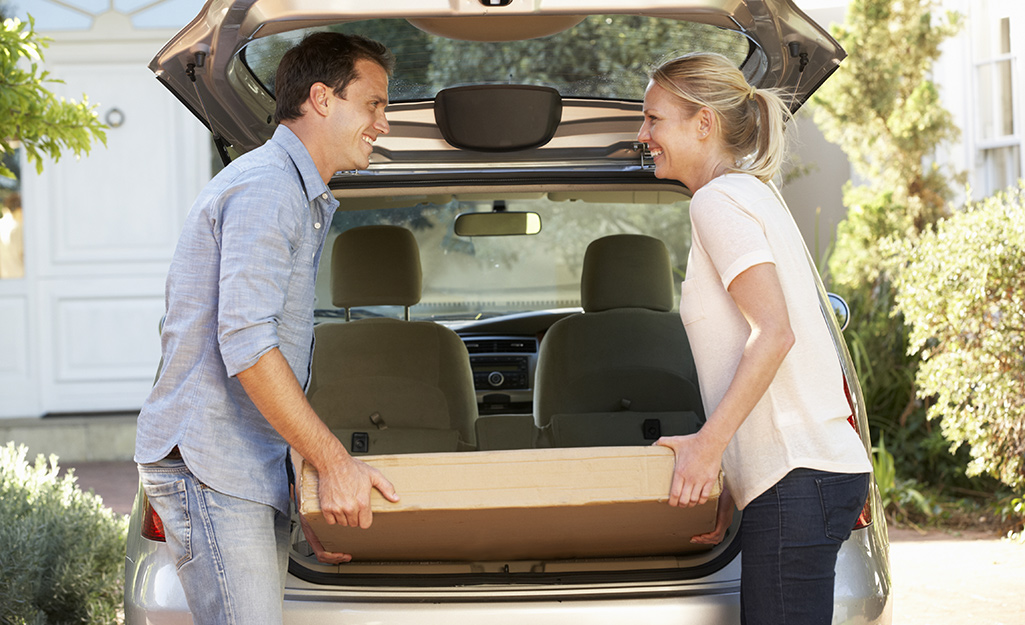
How To Transport Big Screen Tv at Pamela Adkins blog -
Internal Components: Beyond the screen, there are circuit boards, speakers, and other delicate components mounted within the frame. Lying flat can cause these to shift or experience undue stress, especially if the TV is not perfectly flat and supported across its entire surface.
-
Gravity's Grasp: Believe it or not, gravity plays a role. When standing vertically, the screen's weight is distributed along its frame, as intended. When laid flat, that weight presses directly down onto the delicate internal layers, making them far more susceptible to damage from external forces like bumps and potholes.
Plasma TVs, if you're still rocking one of those beauties, are even more sensitive and should never be laid flat due to the gas cells inside.
The Right Way to Roll: Keeping Your TV Safe
Alright, so we've established that vertical is the way to go. But how do you actually achieve that in the real world of cramped cars and tricky moves?
-
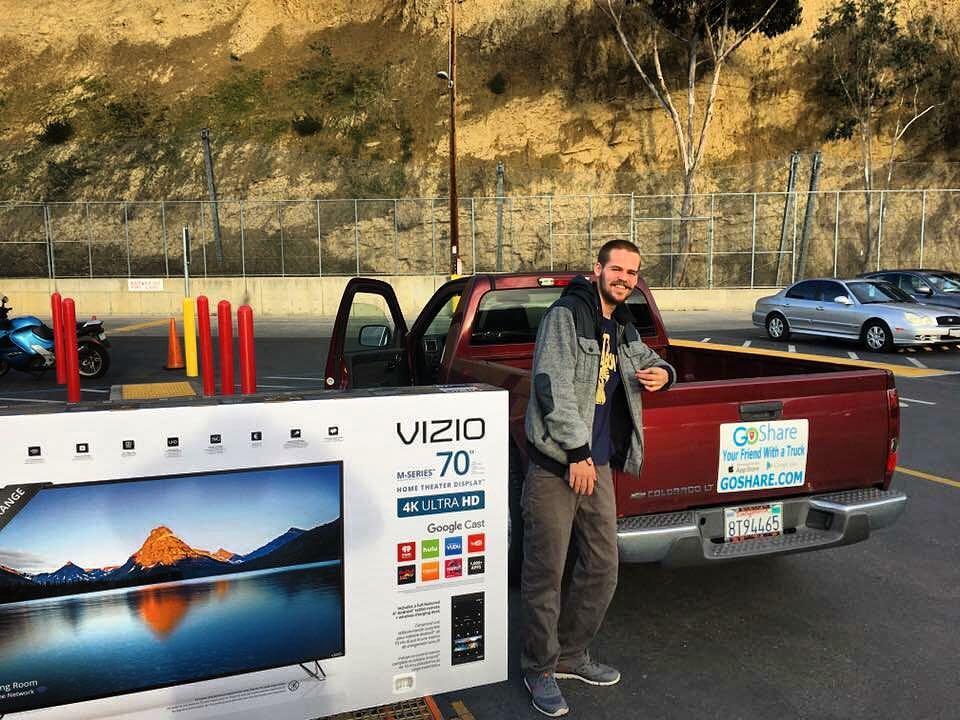
Original Packaging is King: If you still have the original box and foam inserts, you're golden! They're designed specifically to protect your TV vertically, with padding in all the right places. It's the ultimate defense against bumps and jostles.
-
No Box? No Problem (Mostly): Don't fret if the box is long gone. You can still transport your TV safely. First, wrap the screen in a soft blanket or moving pad, then add a layer of bubble wrap for extra cushioning. Secure it with tape, but make sure the tape isn't directly on the screen.
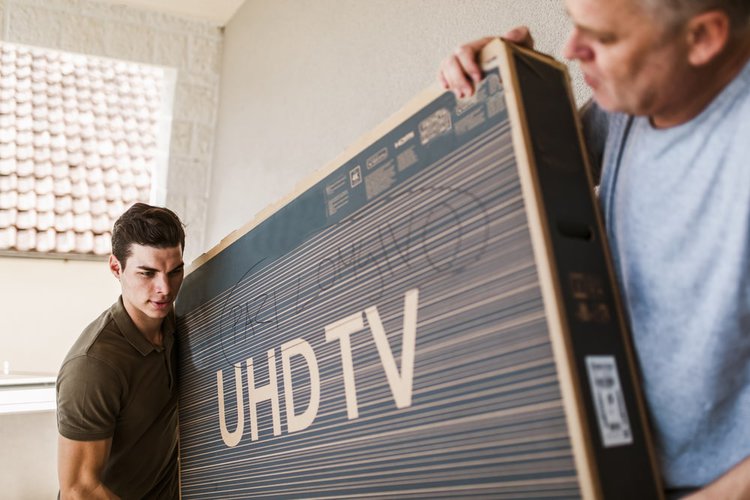
How To Transport A Tv In A Truck Bed at Jerry Saffold blog -
Secure it Tight: Once wrapped, stand the TV upright in your vehicle. Ideally, between two sturdy objects that prevent it from tipping or shifting. Use ratchet straps or bungee cords to secure it firmly to the side of the truck bed, SUV wall, or even between seats if it fits snugly. The key is to prevent any movement.
-
Padding is Your Pal: Fill any gaps around the TV with more blankets, pillows, or soft luggage. This acts as a shock absorber for those inevitable road bumps. Think of it as creating a cozy, custom-fit cocoon for your precious cargo.
-
Team Lift: These screens are bigger and heavier than they look. Always lift with a friend, holding the TV by its sides, never by the screen itself. Lift from the legs, not your back!
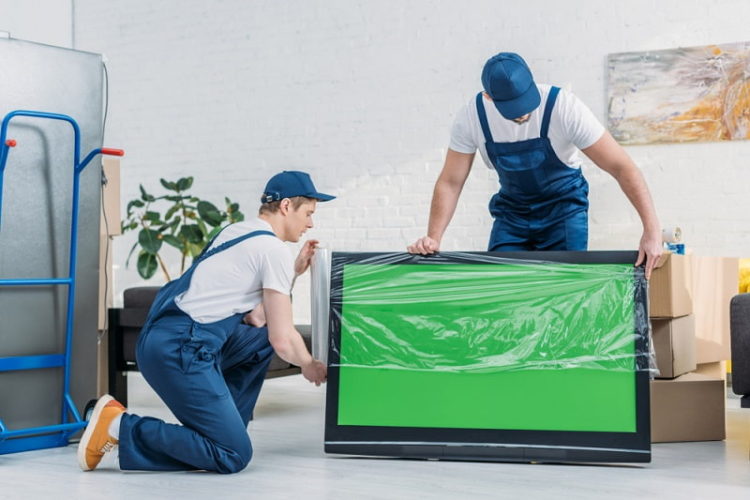
What is the Best Way to Lay a TV Down When Moving: Up-Facing or Down
Once you arrive at your destination, let your TV sit for a bit, especially if it's been exposed to significant temperature changes. This allows it to acclimatize before you power it up, a small but significant step often overlooked.
A Little Perspective
From the monstrous, back-breaking CRTs of yesteryear (remember those TV carts in school?) to today's feather-light, razor-thin smart displays, TV technology has come an incredibly long way. Protecting these investments isn't just about avoiding a costly repair; it's about preserving your window to endless entertainment, epic movie nights, and that perfectly crisp binge-watching experience.
So, the next time you're faced with the TV transport challenge, remember: a little extra care and a vertical stance can save you a whole lot of headache (and maybe even a tear or two). Happy viewing, and happy moving!