Can You Lay A Tv Down To Transport It
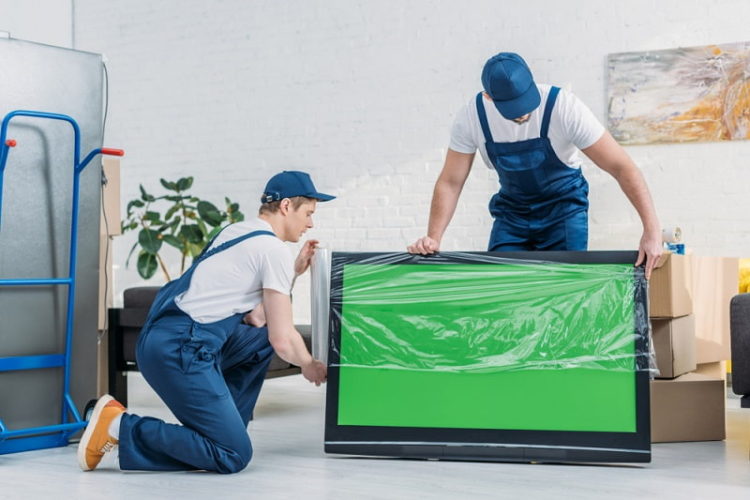
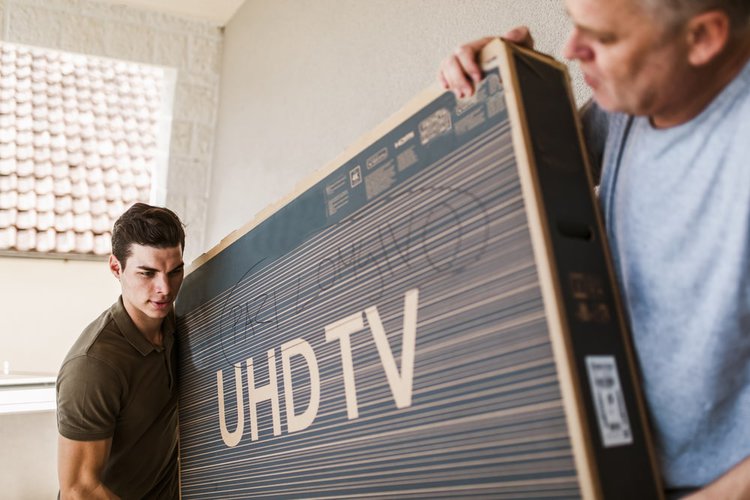
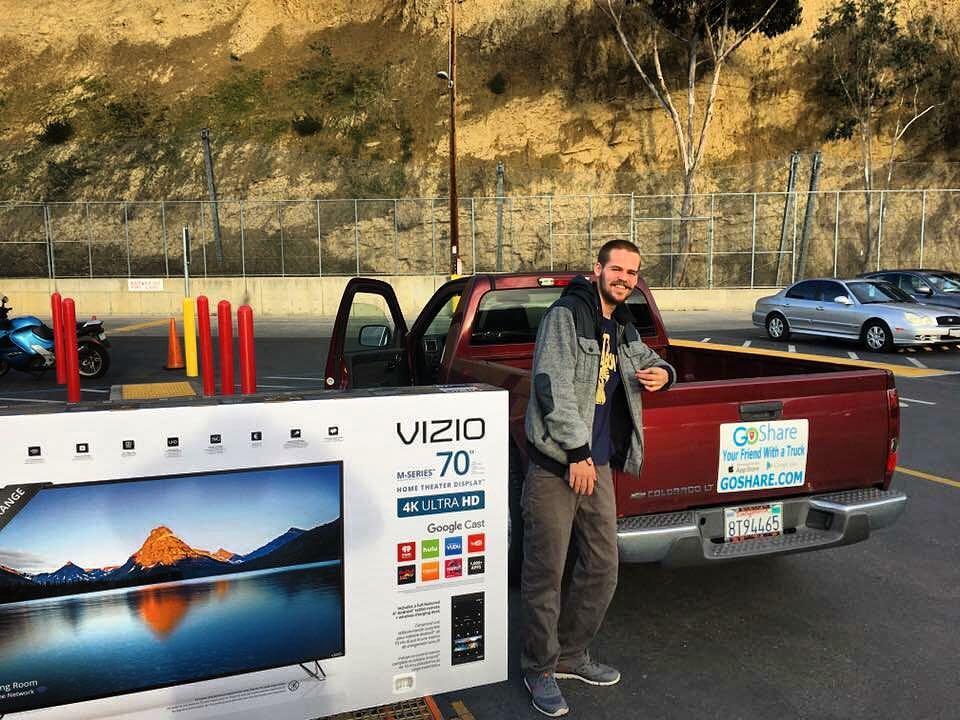
Ah, the classic moving day dilemma! You’ve just snagged that gorgeous new flat-screen TV, or perhaps you're packing up your beloved home entertainment system for a big move. You get to the car, and then it hits you: how on earth do I transport this thing? Can you just lay it down flat in the back of the SUV, or are you signing its death warrant? This isn't just a quirky question; it’s a genuine moment of panic for countless people, and understanding the answer can save you a whole lot of heartbreak (and money!). Let’s dive into the fascinating world of TV transportation!
First off, let’s get straight to the point: when it comes to TVs, especially modern LCD, LED, QLED, and OLED models, the general consensus and manufacturer recommendation is to always transport them vertically. Think of it like a piece of art; you wouldn't lay a delicate painting flat on its face for a bumpy journey, would you? Your TV is an incredibly sophisticated piece of technology, and its internal components are designed to withstand gravity and impact when standing upright, not lying flat.
So, what’s the big deal with laying it down? Imagine your TV screen. It's not just a solid slab of glass; it’s a delicate sandwich of layers, including the glass itself, liquid crystals (in LCD/LED), backlights, and various polarizing films. When you lay a TV flat, especially a large one, you introduce a significant amount of stress to the screen’s structure. Gravity is pulling down on the entire panel in a way it wasn't designed for. Bumps and vibrations from the road can then cause this stress to translate into flexing or twisting of the screen. This can lead to internal damage like cracked liquid crystal arrays, backlight separation, or even physical cracks that might not be immediately visible but will ruin your viewing experience once you power it on.
Must Read
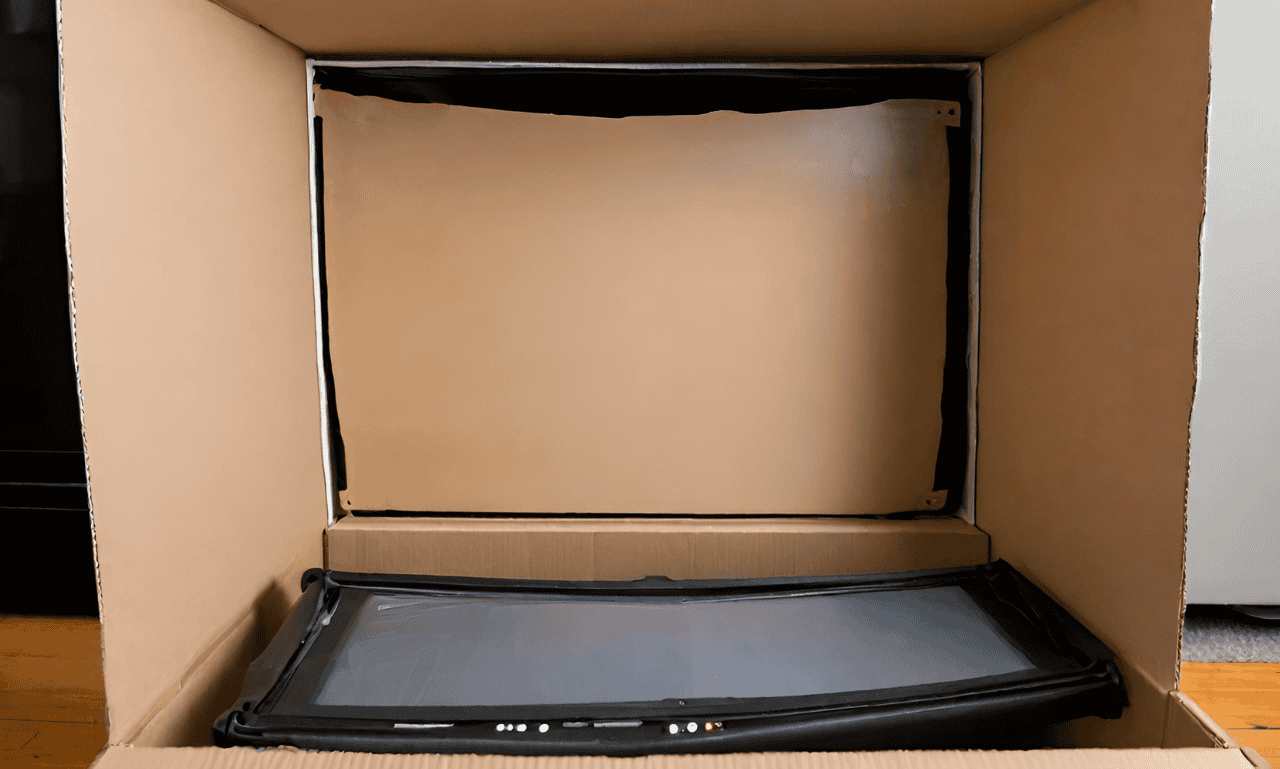
For OLED TVs, the risk is even greater. The organic light-emitting diodes are incredibly thin and sensitive. Laying an OLED flat can put undue pressure on these pixels, potentially causing "dead" pixels, uneven display uniformity, or even burn-in related issues due to internal stress during transport. Manufacturers package these TVs vertically for a reason – their cardboard boxes and foam inserts are specifically designed to support the screen's integrity in that orientation, distributing weight and absorbing shock appropriately.
Now, we know life isn't always perfect, and sometimes you might be in a pinch where a vertical transport simply isn't an option. If you absolutely, positively must lay your TV down (and consider this a last resort!), here are a few critical tips to minimize risk:
- Always lay it with the screen facing up. Never face the screen down, as this puts direct pressure on the most delicate part of the TV.
- Pad it extensively! Use blankets, foam, towels, or even clothes to create a soft, cushioned bed for the TV. Ensure there’s no direct contact with hard surfaces.
- Secure it tightly. Prevent any sliding or shifting during transit. Use straps or other items to wedge it in place so it can’t move around.
- Keep the journey as short and smooth as possible. Drive slowly and carefully, avoiding potholes or sudden stops.
- Once you arrive, let the TV stand vertically for at least an hour or two before turning it on, especially if it was moved in extreme temperatures. This allows any internal components or liquids to settle.
Ultimately, while you can technically lay a TV down, it's a bit like playing Russian roulette with your expensive electronics. For peace of mind and the longevity of your beloved screen, always strive for that vertical transport. A little planning goes a long way in ensuring your TV arrives at its destination ready to entertain, not broken and disheartening!