Can You Get Carbon Monoxide Poisoning From Wood Stove

Imagine this: It’s a chilly evening, snow’s falling outside like a thousand tiny marshmallows, and you’re snuggled up on the couch. The wood stove is crackling away, casting a warm, orange glow across the room. Ahh, perfection! You've got your favorite mug of tea, a good book, and the cat's purring like a tiny motorboat. It’s the quintessential cozy scene, right? But then, sometimes, a little thought creeps in, like a mischievous house elf: "Wait a minute, can this wonderful, rustic heat source actually… well, kill me?" We’re talking about carbon monoxide poisoning here, folks, and specifically, if your trusty wood stove can be the culprit.
The Invisible Party Crasher: What is CO Anyway?
Let’s get straight to it. Carbon monoxide, or CO for short, is the ultimate party pooper you never invited. It’s a silent, invisible, odorless gas. Think of it as the ninja of poisons – you don't see it coming, you don't smell it, and by the time you feel it, things can get pretty dicey. It’s like a really bad houseguest who just sits there, hogging all the oxygen without anyone noticing. Not cool, CO, not cool.
Can Your Wood Stove Turn Into a Villain?
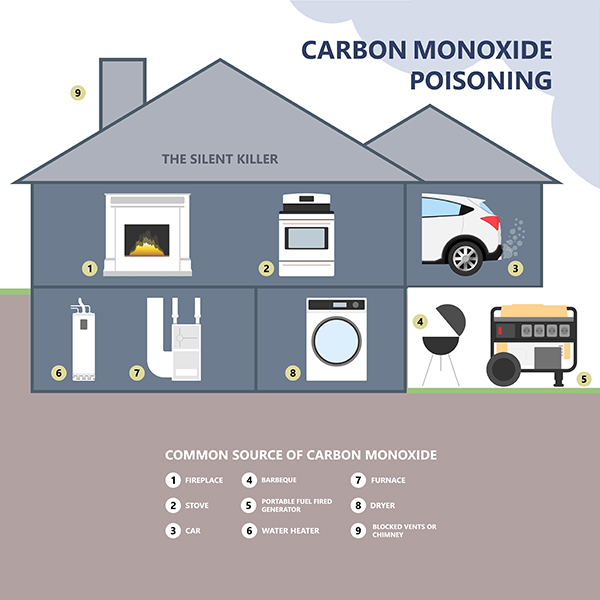
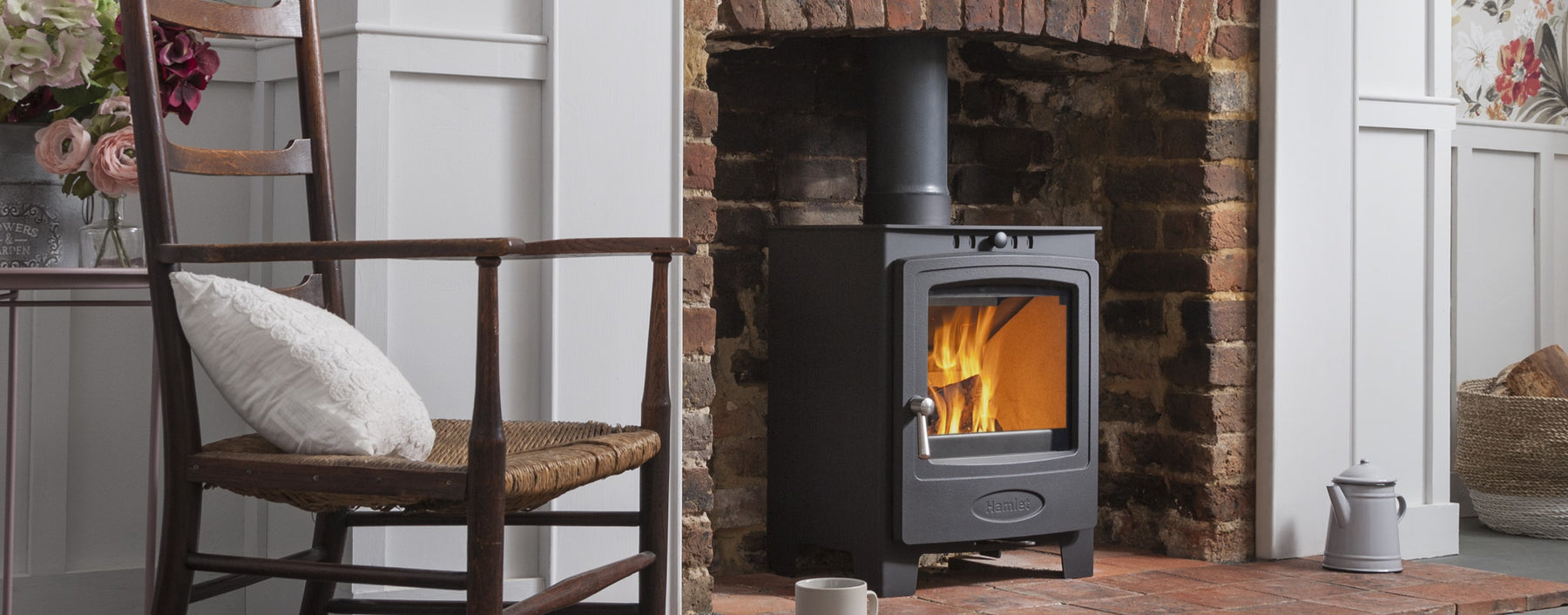
So, can your beloved wood stove actually generate this invisible menace? The short answer is: yes, it absolutely can. But before you start eyeing your stove like it's a suspicious stranger in a trench coat, let's add a giant "BUT" to that. A properly installed, well-maintained, and correctly operated wood stove is actually pretty darn safe. The issue arises when things go a bit sideways, like a Monday morning trying to operate on two hours of sleep.
Must Read
The Comedy of Errors: How CO Happens with Stoves
Think of your wood stove as a small, hungry dragon that needs to breathe. When wood burns, it needs a good supply of oxygen to do its job completely. If it doesn't get enough, it creates carbon monoxide instead of nice, harmless carbon dioxide. It’s like when you try to sing a high note but don't quite get enough air – it comes out a bit… off.
Here are a few scenarios where your cozy dragon might start huffing and puffing the wrong stuff:
The Chimney Saga: When the Exhaust Gets Clogged
Picture this: your chimney, which is essentially the stove's exhaust pipe, gets blocked. Maybe a squirrel decided to build a penthouse suite in there (true story, happened to my uncle!), or years of creosote buildup have narrowed it to a mere straw. Now, where’s that smoke going to go? Yup, right back into your living room, bringing CO along for the ride. It’s like trying to flush a toilet when the pipes are clogged – everything just backs up. Not ideal.
The Smothered Fire Syndrome: Too Little Air
We’ve all done it. You want the fire to last all night, so you crank down the air intake almost completely, hoping for those slow, smoldering embers. While that might give you a longer burn, it also starves the fire of oxygen. The wood isn't burning efficiently, and guess what gets produced in abundance? You guessed it: CO. It's like trying to run a marathon on a single potato chip – your body (or stove) just can't do its job right.
Leaky Linkages: The Stove’s Secret Sneakiness
Sometimes, your stove or its flue pipe might have a crack or a loose connection. It's like a tiny, secret escape hatch for the bad stuff. Instead of all the exhaust heading up and out, some of it sneaks into your home. Think of it as a leaky sieve – you're trying to drain pasta, but half of it ends up in the sink. Annoying, and in this case, dangerous.
The "Flu That Isn't the Flu": Knowing the Signs
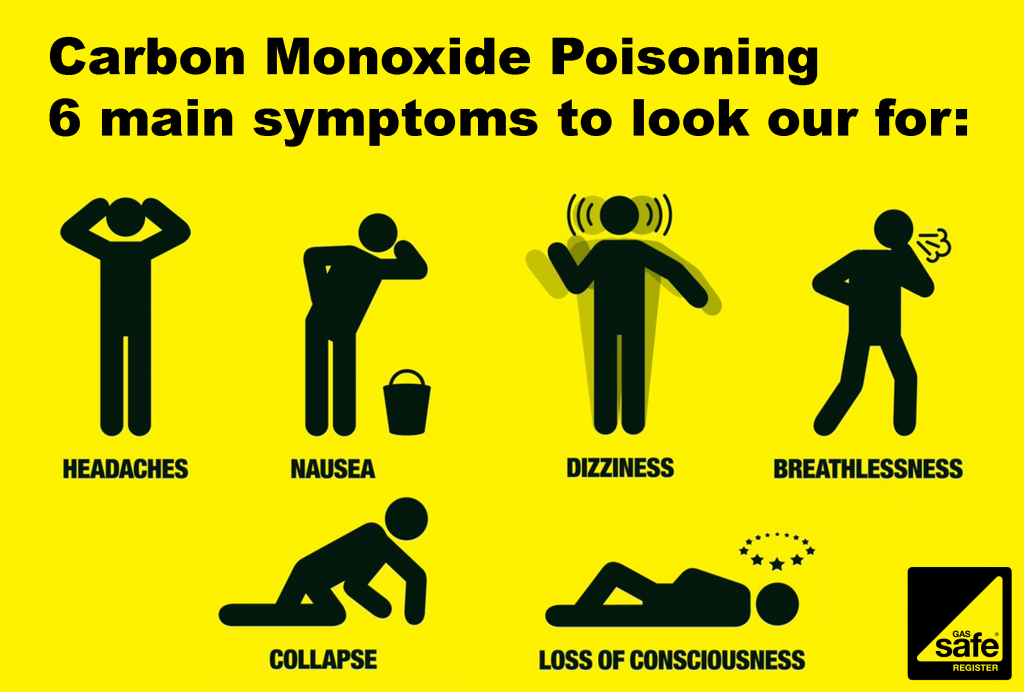
So, how do you know if CO is making itself at home? The symptoms are super sneaky because they often mimic the flu. Headache, dizziness, nausea, fatigue – sound familiar? It's like the ultimate imposter. The big difference? You don't usually get a fever with CO poisoning. If you and everyone else in the house suddenly feel awful whenever the stove is running, and then feel better when you step outside for some fresh air, that's your cue to be alarmed, not just annoyed.
Your CO Superhero: The Detector!
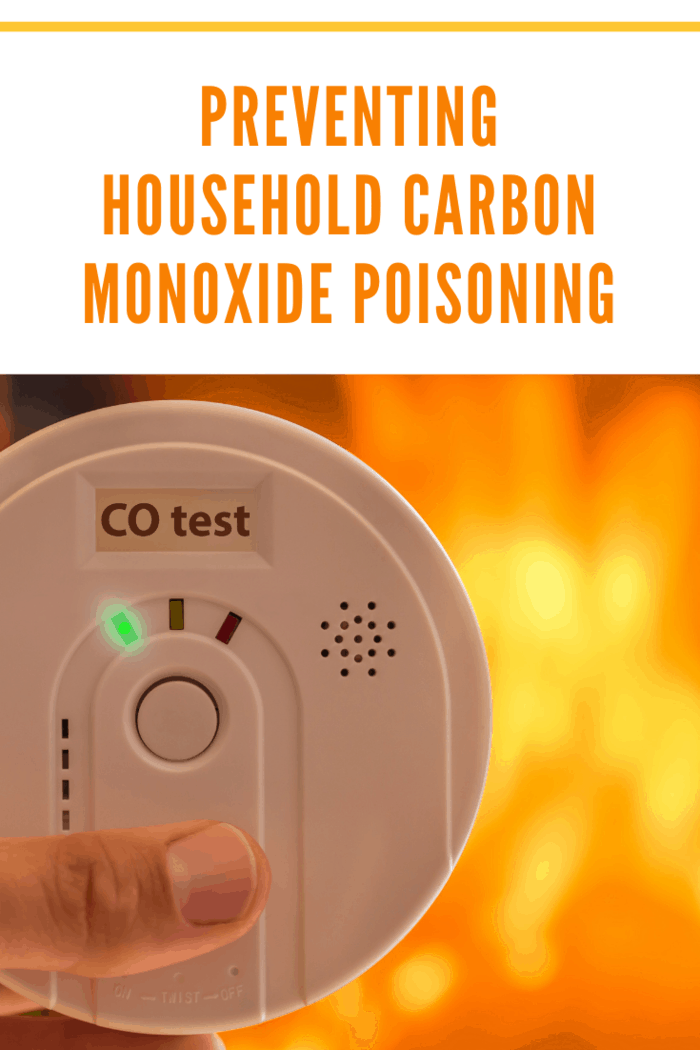
Okay, enough with the scary stuff. Let's talk about your knight in shining armor: the carbon monoxide detector. This little gadget is your absolute best friend when you have a wood stove (or any combustion appliance, really). It’s like a smoke detector's cooler, quieter cousin, specifically designed to sniff out CO before it becomes a problem. Seriously, if you don't have one, get one today. No, really, stop reading and go buy one. I'll wait. (Just kidding, sort of).
Staying Safe and Cozy: A Few Golden Rules
Beyond the detector, here are a few other golden rules to keep your wood stove cozy and CO-free:
- Regular Check-ups: Get your chimney cleaned and inspected annually. Think of it as your stove's spa day – it needs to be pampered to perform its best. A professional can spot potential blockages or cracks you’d never notice.
- Don't Be a Smotherer: Give your fire enough air! A bright, active flame is a happy flame. If your fire looks sluggish and smoky, it's probably struggling.
- Proper Installation: Make sure your stove was installed by a pro and meets all local codes. This isn't a DIY project for your buddy who "knows a guy."
- Ventilation is Key: While you want to keep the warmth in, a little fresh air sometimes is good. Modern, super-sealed homes can sometimes contribute to pressure differences that pull exhaust into the house instead of letting it out.
The Takeaway: Cozy, Not Killer
So, can you get carbon monoxide poisoning from a wood stove? Yes, you can. But is it a common occurrence that should make you swear off wood heat forever? Absolutely not! With a little common sense, regular maintenance, and the trusty guardian angel that is a CO detector, your wood stove will continue to be the heart of your home, pumping out warmth and good vibes, not silent, invisible danger. Keep it cozy, keep it safe, and keep those marshmallows roasting!