Can You Get Carbon Monoxide Poisoning From Wood Burning Stove

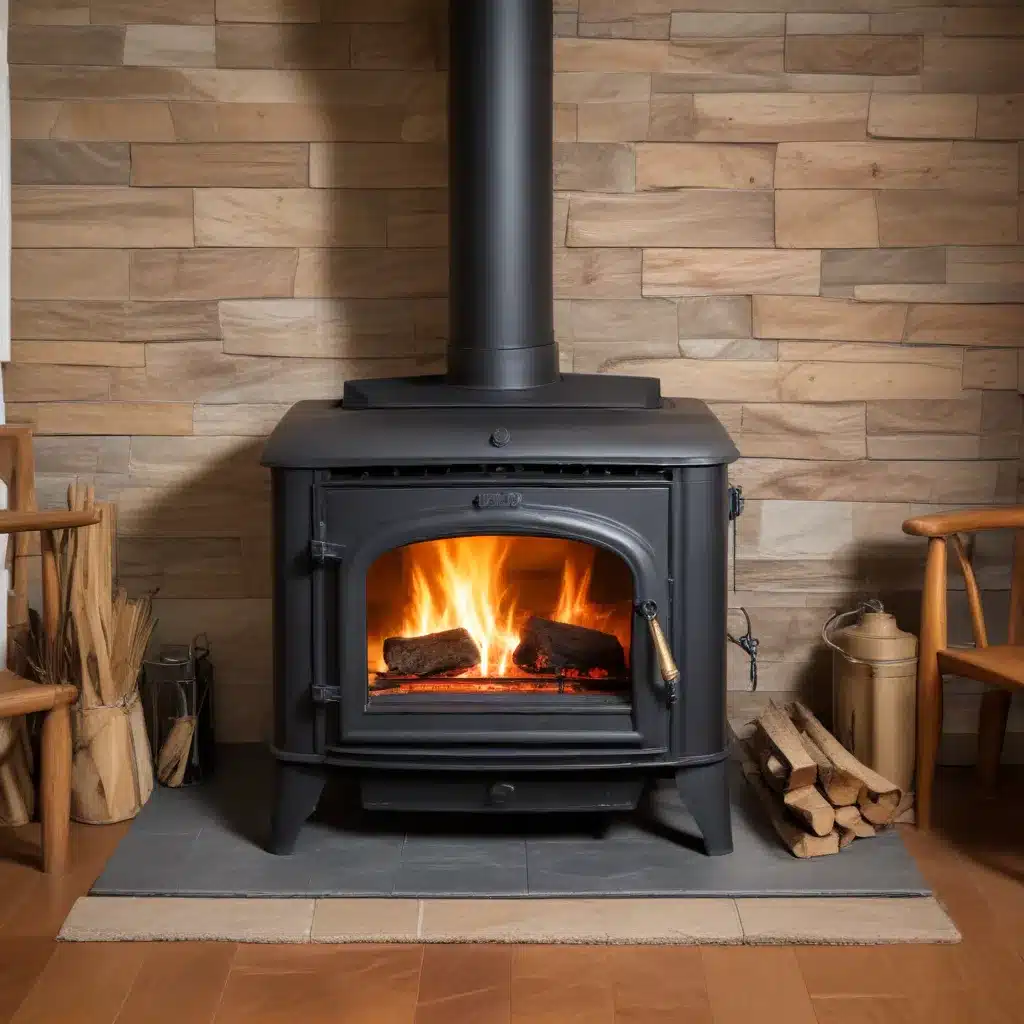
There's something uniquely comforting about a wood-burning stove. The gentle crackle and pop of logs, the mesmerizing dance of flames, and that deeply penetrating warmth just makes a house feel like home. It's more than just a heat source; it's a focal point, a provider of ambiance, and a timeless connection to simpler times, evoking a sense of coziness and nostalgia.
Many embrace wood stoves for their practical benefits. They offer a fantastic way to supplement home heating, potentially reducing reliance on costly fossil fuels or electricity. For cabins or off-grid living, they're often the primary heating solution, providing essential warmth and even a means to boil water or cook in a pinch during power outages. There's a certain satisfaction that comes from tending a fire, a primal connection to hearth and home, and the sheer independence it offers.
You'll find them warming everything from rustic hunting lodges and cozy suburban living rooms to bustling workshops and emergency shelters. They're particularly cherished in areas prone to harsh winters or unreliable power grids, standing ready to provide comfort when other systems fail, ensuring warmth when it's needed most.
Must Read
While the glow of a wood stove is undoubtedly inviting, it's important to address a serious, yet often misunderstood, safety concern: Can you get carbon monoxide poisoning from a wood-burning stove? The straightforward answer is a resounding yes, it is absolutely possible.
Carbon monoxide (CO) is a silent, odorless, colorless gas produced by the incomplete combustion of carbon-based fuels, like wood. When a wood stove is operating correctly, with a well-maintained chimney and proper airflow, the combustion is efficient, and harmful gases are safely vented outside. However, problems arise when this system is compromised. A blocked or partially blocked flue can cause smoke and CO to back up into your home. Faulty installation, inadequate ventilation in the room, or even burning unseasoned, wet wood (which combusts poorly) can lead to dangerous CO levels. A downdraft or backdraft can also pull combustion gases back indoors. Because CO replaces oxygen in your blood, it quickly becomes life-threatening, causing symptoms like headaches, dizziness, nausea, and ultimately, unconsciousness and death.
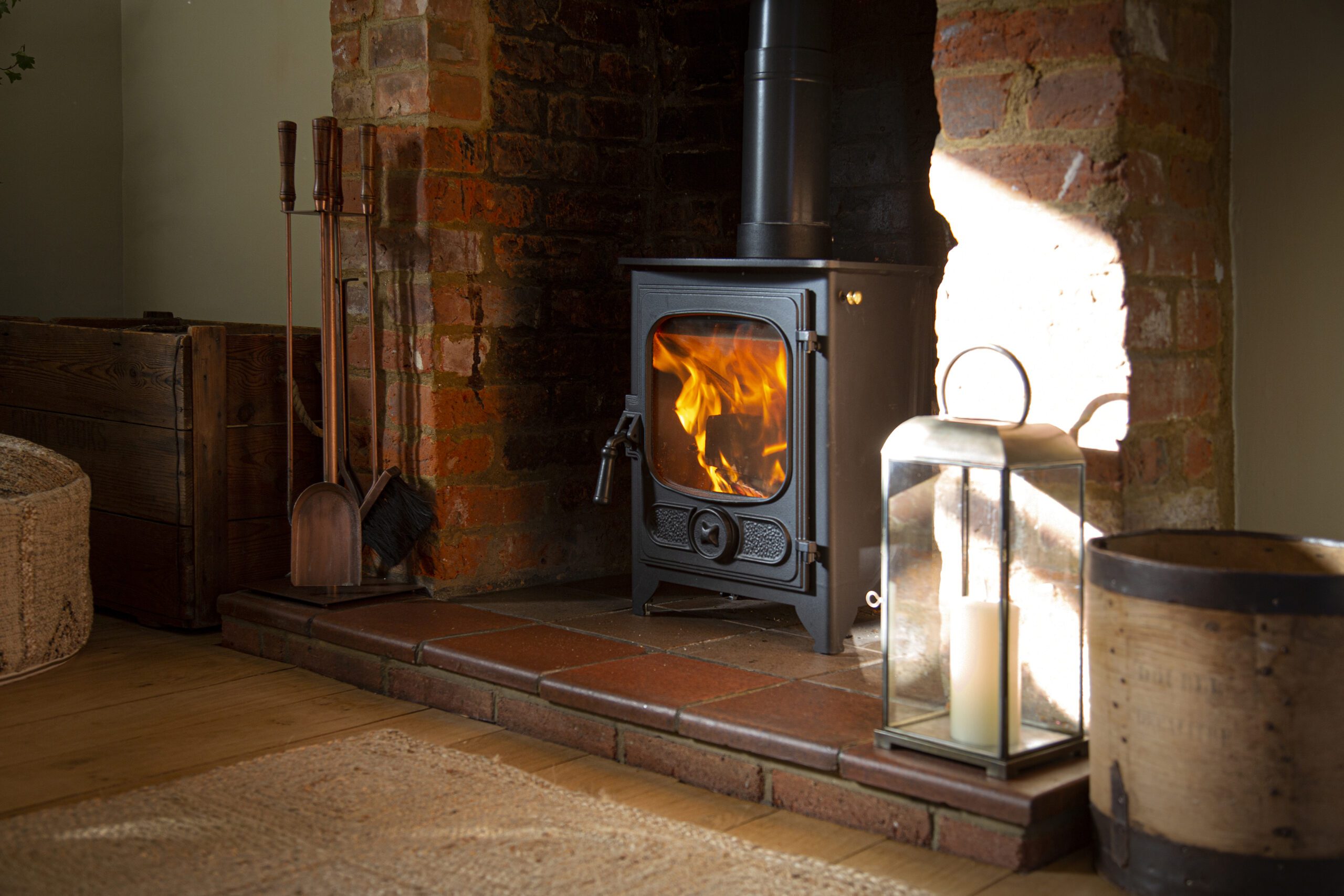
So, how do you enjoy the unparalleled warmth and charm of your wood stove safely and effectively? First and foremost, professional installation is paramount. Ensure your stove and chimney system meet all local building codes and manufacturer specifications. Next, regular maintenance is non-negotiable. Have your chimney professionally inspected and cleaned at least once a year, or more often if you burn frequently. This prevents creosote buildup, which can cause chimney fires and obstruct the flue. Always burn dry, seasoned wood; it burns hotter and cleaner, reducing CO production and creosote. Ensure adequate ventilation in your home, especially when operating the stove.
Most crucially, install carbon monoxide detectors on every level of your home, especially near sleeping areas. Treat these devices as your non-negotiable guardian angels. Test them regularly and replace batteries as recommended. Learn the early signs of CO poisoning and always err on the side of caution. If you suspect a problem, open windows and doors, evacuate immediately, and call emergency services. By following these simple, yet critical, guidelines, you can continue to relish the cozy warmth and undeniable appeal of your wood-burning stove for years to come, knowing you've taken the necessary steps to keep your home safe and sound.