Can You Get Carbon Monoxide Poisoning From Propane
Ever fired up the grill for a backyard barbecue, enjoyed the cozy warmth of a propane heater on a chilly patio, or brewed coffee on a camping stove under the stars? Propane is an incredibly versatile and convenient fuel that powers so many of our favorite activities. It’s a workhorse, a game-changer, and for many, a go-to energy source. But with all that convenience, a lingering question often pops up: Can you get carbon monoxide poisoning from propane? It's a fantastic question, and one that gets right to the heart of everyday safety. Understanding the answer isn't just useful; it can literally be life-saving.
The purpose of this article is to clear up any confusion and arm you with the knowledge to use your propane appliances safely and confidently. We'll dive into the truth behind propane, its relationship with carbon monoxide (CO), and most importantly, how to protect yourself and your loved ones. The benefit? Peace of mind, safer grilling, warmer patios, and smarter camping trips, knowing you're in the know about a serious but preventable danger.
So, let's get straight to it: Can you get carbon monoxide poisoning from propane? The short answer is yes, but not directly from the propane itself. Here's where it gets interesting: Propane (C3H8) is a hydrocarbon. When it burns efficiently, with plenty of oxygen, it produces mostly carbon dioxide (CO2) and water vapor – relatively harmless byproducts. That’s why propane is often considered a "clean-burning" fuel. However, the danger arises when propane burns incompletely.
Must Read
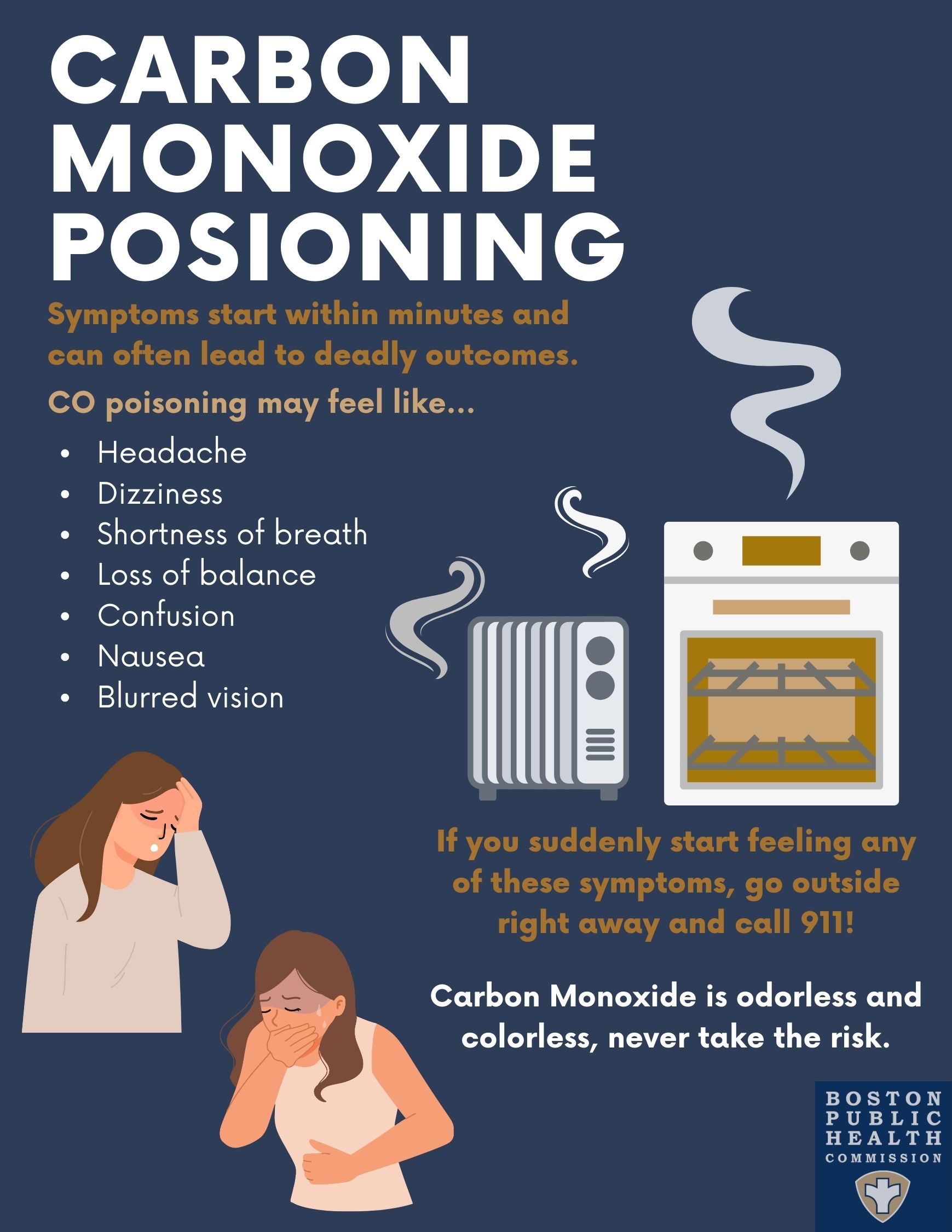
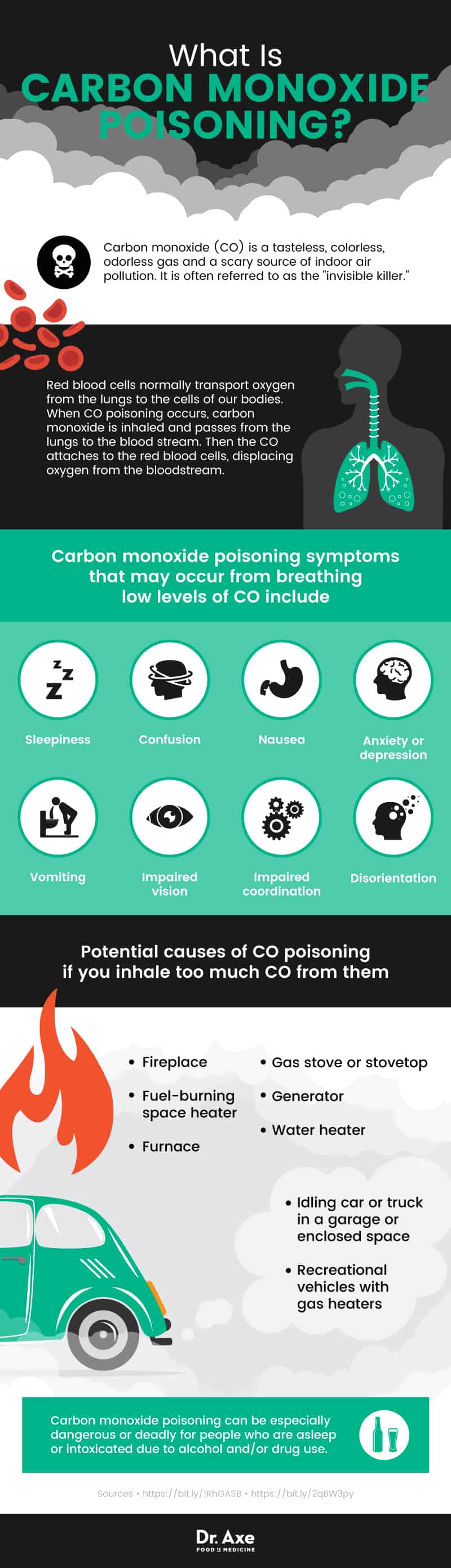
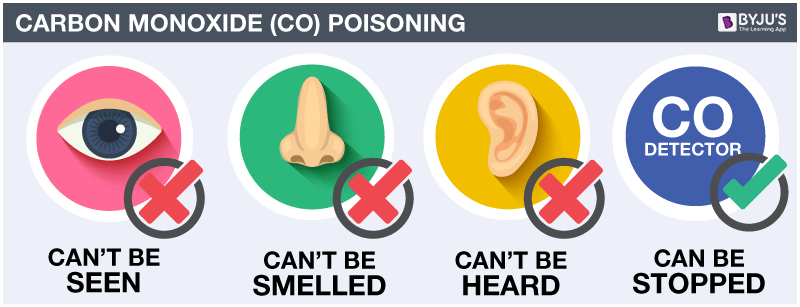
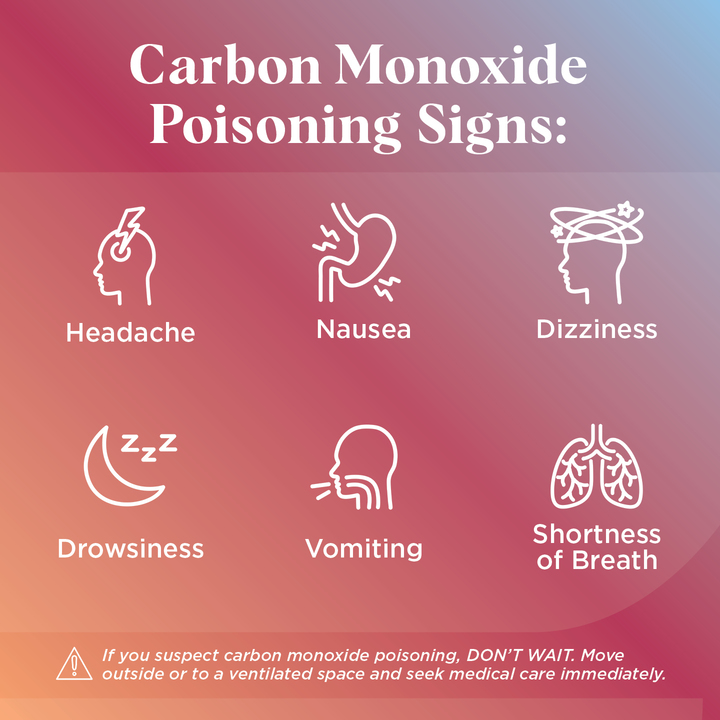
Incomplete combustion happens when there isn't enough oxygen available for the fuel to burn properly. Instead of CO2, the chemical reaction produces carbon monoxide (CO). And CO, my friends, is the silent killer. It's a colorless, odorless, tasteless gas, meaning you won't see it, smell it, or taste it, even as it fills your space and replaces oxygen in your bloodstream. This is why understanding the combustion process is so vital for anyone using propane appliances.
So, what causes incomplete combustion with propane? It usually comes down to three main culprits: poor ventilation, faulty or improperly maintained appliances, and overuse in an enclosed space. Imagine running a propane heater inside a tent, garage, or even a poorly ventilated room. The oxygen quickly gets depleted, leading to incomplete combustion and a rapid buildup of CO. Similarly, a clogged burner or a damaged vent in a propane appliance can prevent it from burning fuel efficiently, turning it into a CO factory.
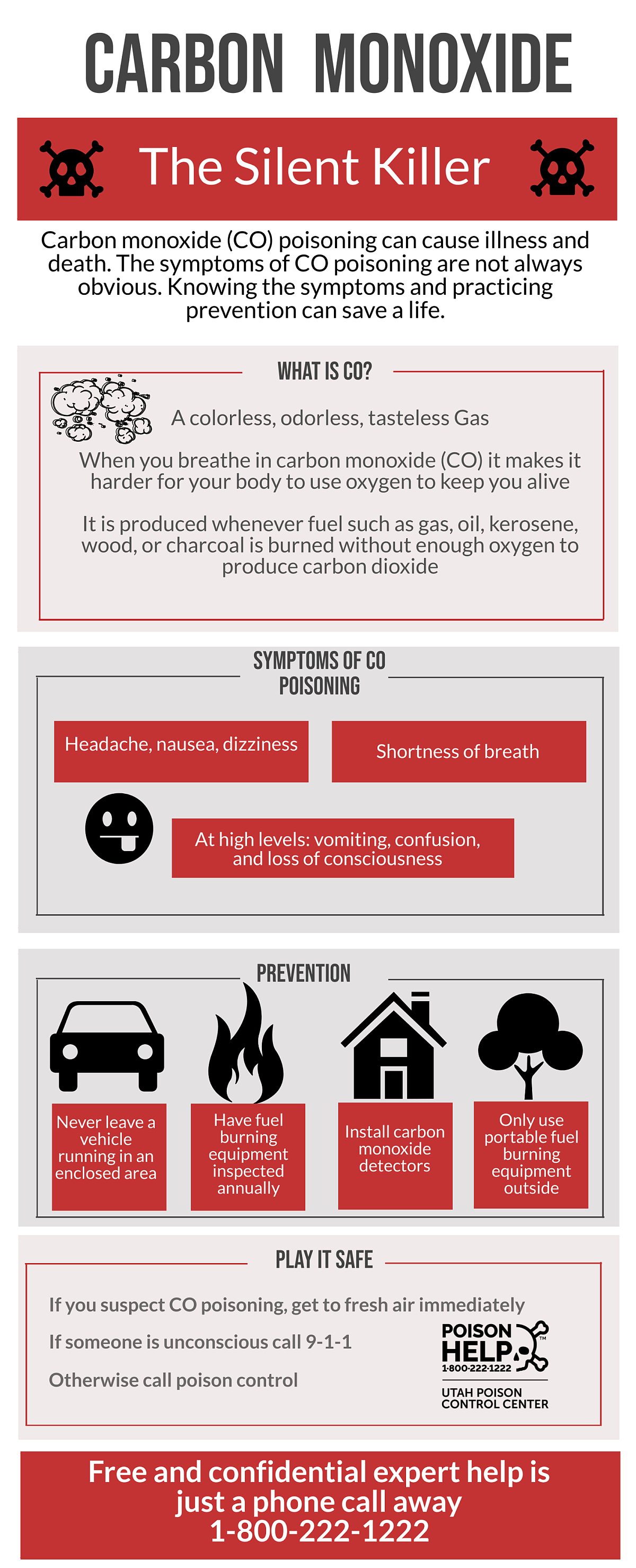
The good news is that preventing carbon monoxide poisoning from propane is straightforward! The number one rule is always to ensure ample ventilation when using any propane appliance. That means never using outdoor propane appliances (like grills or patio heaters) indoors, and ensuring indoor propane appliances (like gas ranges or water heaters) are properly vented to the outside and regularly inspected. Second, keep your appliances in tip-top shape. Regular maintenance checks by a qualified professional can catch issues before they become dangerous. Finally, and perhaps most crucially, install carbon monoxide detectors in your home and consider portable ones for RVs, tents, or cabins. These devices are your invisible guardians, sounding an alarm if dangerous CO levels are detected, giving you precious time to evacuate.
In conclusion, while propane itself isn't the villain, the way it burns under certain conditions can indeed create carbon monoxide. By remembering the principles of good ventilation, appliance maintenance, and using CO detectors, you can continue to enjoy all the wonderful benefits of propane with confidence and, most importantly, safety. Stay smart, stay safe, and happy grilling!