
Can You Develop Gluten Sensitivity Later In Life
:max_bytes(150000):strip_icc()/surprising-signs-you-may-have-a-gluten-allergy-4147574_final-a5ba89e52afc4be98dcb6320d35a13fa.jpg)
Imagine suddenly reacting to pizza. Or pasta. It sounds like a sitcom plot, right? But for some folks, it's real life. Can you actually develop gluten sensitivity later on?
The Gluten Mystery: Not Just for Kids Anymore
We often hear about kids with allergies. But adult bodies can be just as surprising. Turns out, you can become sensitive to gluten as an adult. Isn't the human body wonderfully weird?
Think of your body as a quirky machine. Sometimes, things just… change. Suddenly, gluten, that protein in wheat, becomes a problem.
Must Read
What Exactly is Gluten Sensitivity?
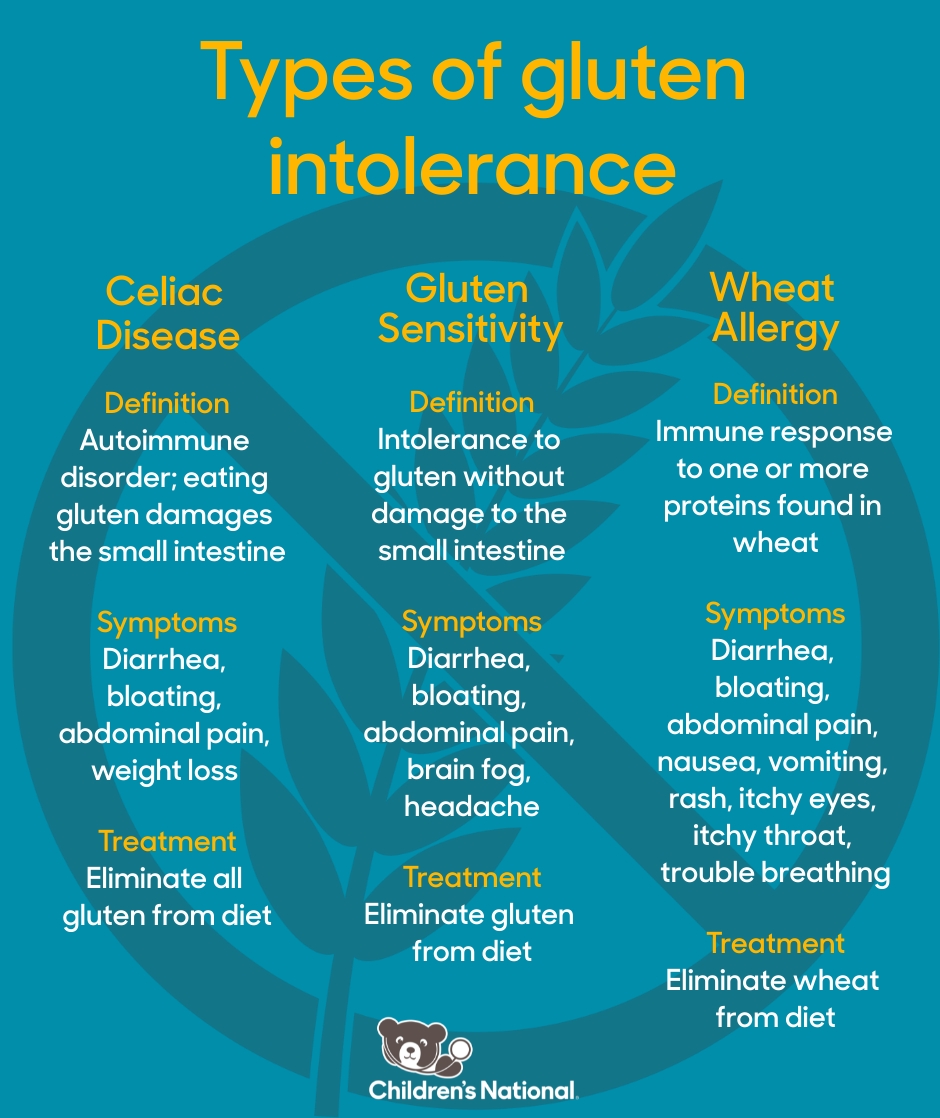
First things first, let's clear something up. Gluten sensitivity is different from celiac disease. Celiac is an autoimmune condition. It's more severe and involves serious intestinal damage.
Gluten sensitivity, also called non-celiac gluten sensitivity (NCGS), is less dramatic. But it can still make you feel pretty crummy. Think bloating, fatigue, and brain fog. Fun times!
It's not a true allergy either. Allergies involve a specific immune response. Gluten sensitivity is more of a vague "my body just doesn't like this" situation.
Why Now? The Great Gluten Awakening
So, why would this happen later in life? That's the million-dollar question. Scientists are still figuring it out. It's like a gluten detective story!
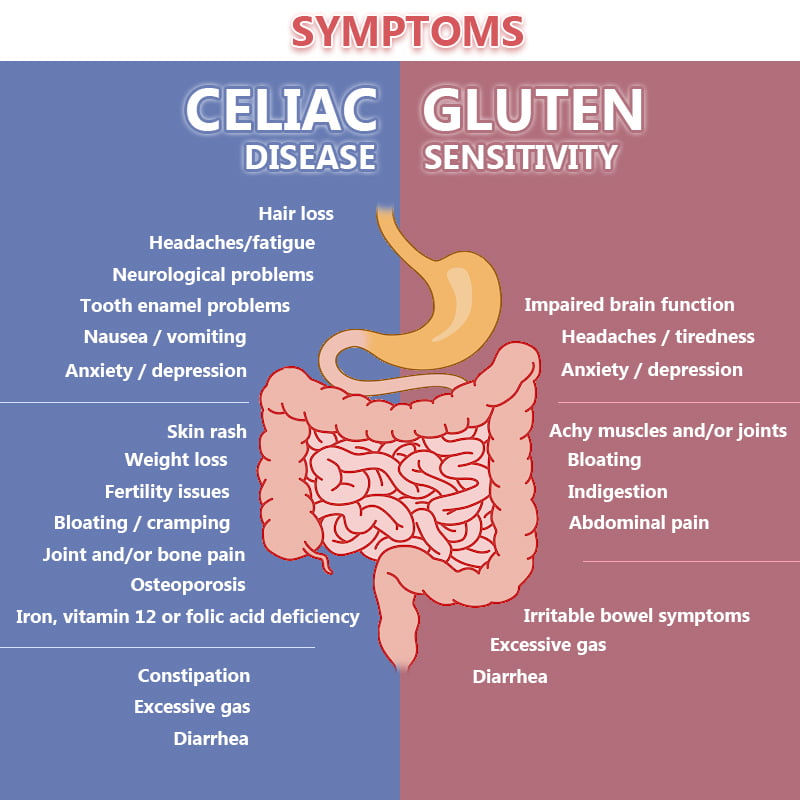
One theory involves gut health. Our gut is home to trillions of bacteria. Changes in this gut microbiome could play a role.
Stress could also be a factor. Who isn’t stressed these days, right? Big life changes, illnesses, or even just a really bad week at work could throw your body out of whack.
Some researchers are also looking at changes in the gluten itself. Modern wheat varieties might be different from what our grandparents ate. Maybe our bodies haven’t caught up!
The Symptoms: Decoding Your Body’s Signals
Okay, so how do you know if you've joined the late-onset gluten sensitivity club? The symptoms can be tricky. They often mimic other conditions.
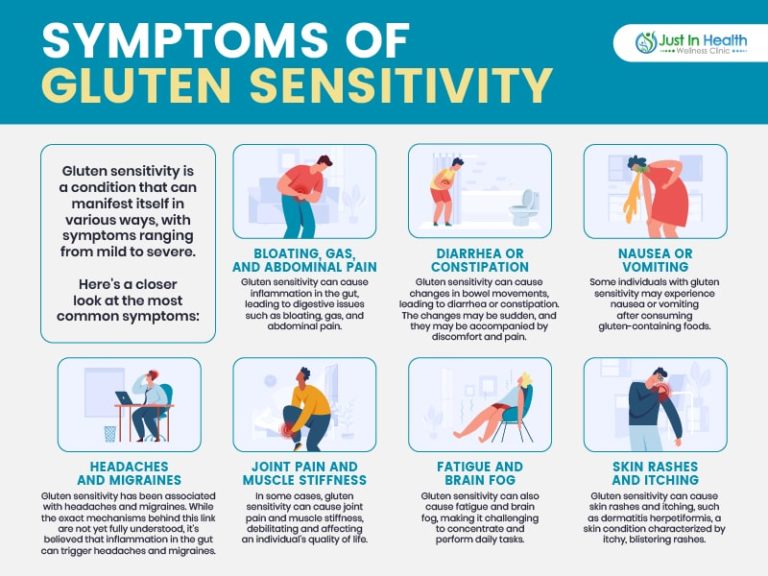
Common signs include digestive issues. Think bloating, gas, diarrhea, or constipation. Basically, your gut is staging a protest.
But it's not just about the tummy. You might experience fatigue. Or headaches. Some people even get skin rashes or joint pain. It's a real mixed bag of unpleasantness.
Diagnosis: The Gluten Detective Work
If you suspect you might be sensitive, what's next? Don’t jump to conclusions just yet. See your doctor first!
They'll likely run some tests. These tests can rule out celiac disease and wheat allergy. Think of it as eliminating suspects in your gluten mystery.
If those tests are negative, your doctor might suggest an elimination diet. This involves cutting out gluten for a few weeks. Then, slowly reintroducing it to see what happens. It's a gluten stakeout!
Keep a food diary. Track your symptoms carefully. This helps you and your doctor connect the dots. Is that post-pasta nap really just a coincidence?
Living Gluten-Free (or Gluten-Reduced): Embrace the Adventure
So, you've confirmed it. Gluten and you are no longer friends. What now? It's not the end of the world, promise! (Although it might feel like it at first).
The good news? There are tons of gluten-free options these days. From pasta to bread to even… doughnuts! The gluten-free market has exploded. Time to explore!
It’s an exciting culinary adventure! Discover new grains. Try rice flour, almond flour, or even tapioca flour. You might find new favorite foods.
Read labels carefully. Gluten can sneak into unexpected places. Soy sauce, salad dressings, and even some medications can contain hidden gluten. Be a label detective!
Beyond Food: Other Sources of Gluten
It's not just about what you eat. Gluten can be hiding in other products. Think cosmetics. Or even some medications.

Check labels on lipsticks or lotions. It's rare, but some people react to gluten on their skin. The gluten conspiracy goes deep!
Talk to your pharmacist about your gluten sensitivity. They can check the ingredients of your prescriptions. Better safe than sorry!
The Takeaway: Listen to Your Body
Developing gluten sensitivity later in life is definitely possible. It's a fascinating (and sometimes frustrating) journey. But you’re not alone!
Pay attention to your body. If something feels off, don't ignore it. Talk to your doctor. They can help you figure out what's going on.
And remember, knowledge is power. Understanding your body is the first step to feeling your best. So, go forth and conquer the gluten mystery!
"The only way to do great work is to love what you do." - Steve Jobs