Can Synthetic Urine Pass A Lab Test
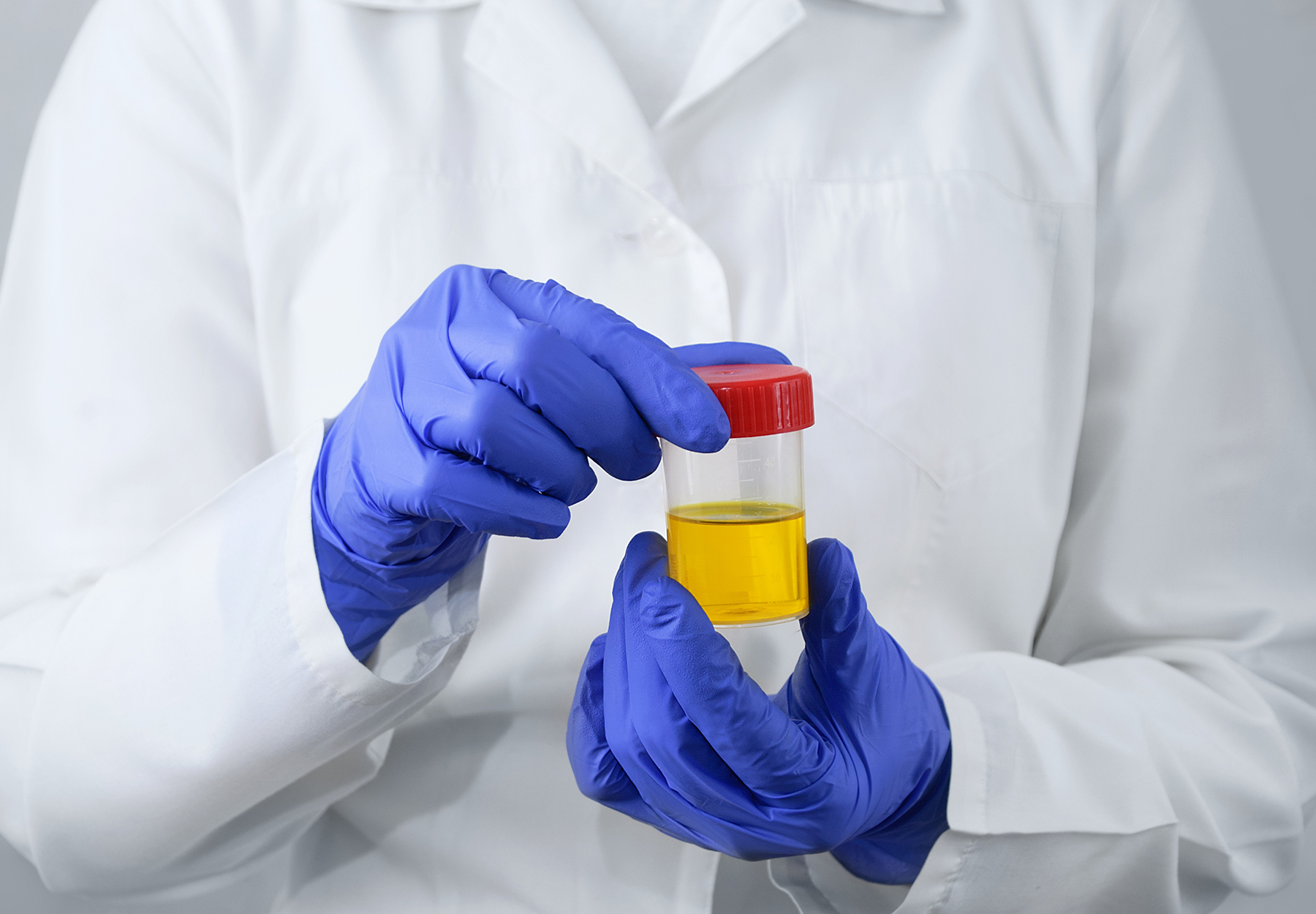
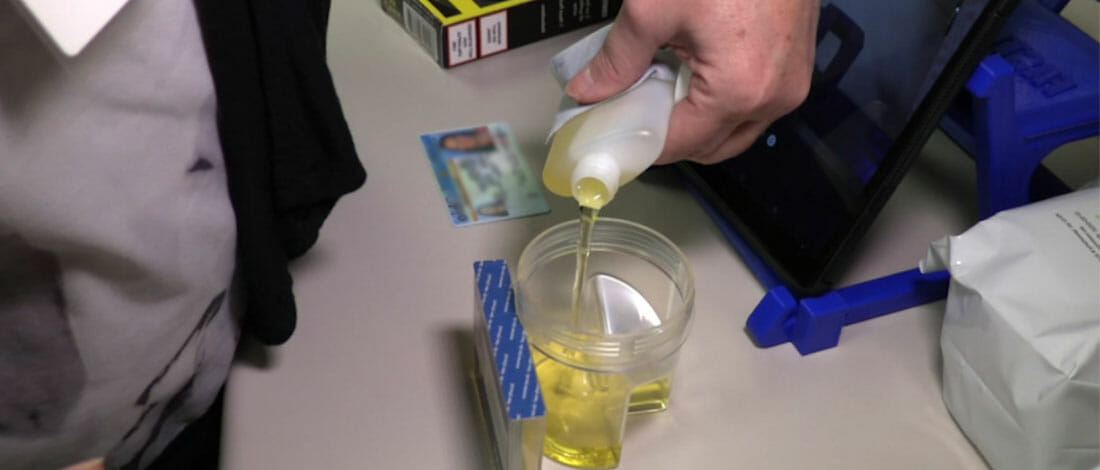
Let's talk about something a little… unconventional. Something that exists in the grey area between necessity and, well, let's just say, navigating life's little unexpected detours. We're diving into the world of synthetic urine and the burning question: can it actually pass a lab test?
Spoiler alert: the answer isn't a simple yes or no. It's more like a "maybe, with a healthy dose of 'it depends.'" Think of it like trying to recreate a Michelin-star dish at home. You can follow the recipe, but tiny variations can drastically alter the outcome.
The Science (and Art) of Synthetic Pee
Synthetic urine, at its core, is a concoction designed to mimic the chemical composition of real human urine. We're talking urea, creatinine, pH levels, and specific gravity – all those fun science terms you probably haven't thought about since high school chemistry. The goal is to present a sample that looks, smells, and chemically behaves like the real deal under scrutiny.
Must Read
But here’s the thing: labs aren’t exactly using litmus paper these days. They're employing sophisticated equipment that can detect subtle discrepancies. It's an ongoing arms race between the creators of synthetic urine and the labs trying to catch them. Think of it like a high-stakes game of cat and mouse.
Factors That Can Make or Break Your Synthetic Sample
So, what impacts the success rate? Plenty. Let’s break it down:
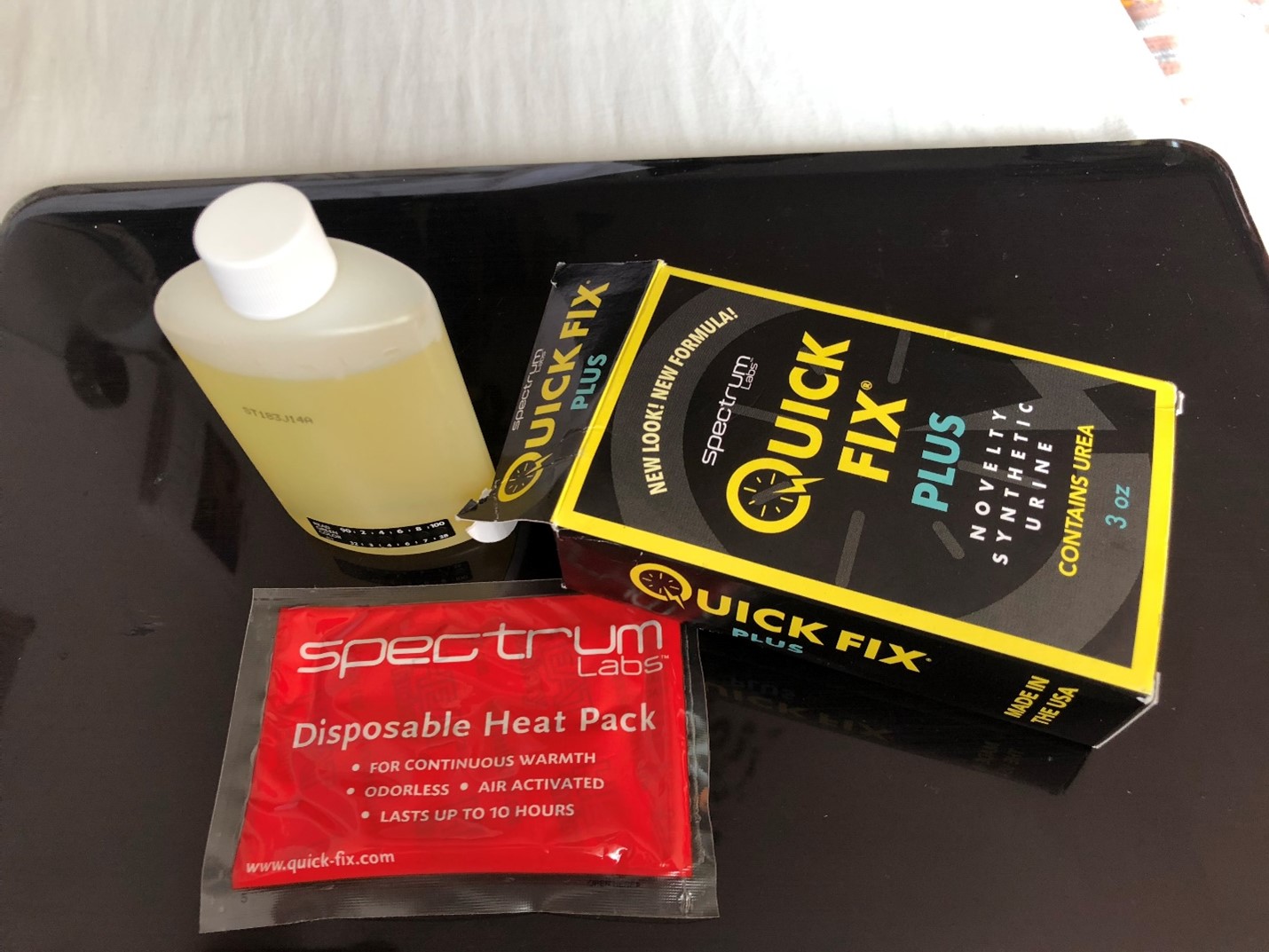
- Quality Matters: Just like with any product, you get what you pay for. Cheap synthetic urine kits are more likely to be detected. Investing in a reputable brand is crucial. Think of it as buying a designer handbag versus a knock-off.
- Temperature is Key: This is where many attempts fail. Labs check the temperature of the sample immediately. Too cold, and it’s an instant red flag. Most kits come with heating pads or hand warmers to maintain the perfect body temperature range (usually between 90-100°F or 32-38°C). Treat it like Goldilocks and the Three Bears – not too hot, not too cold, but just right.
- Proper Mixing and Handling: Follow the instructions exactly. Don't wing it. Mixing ratios and handling procedures are vital. Think of it as baking a cake – skip a step or mismeasure an ingredient, and you might end up with a culinary disaster.
- The Specific Test: Some tests are more sensitive than others. A basic screening might be easier to pass than a more in-depth analysis that looks for specific markers or adulterants.
Pro-Tip: Practice beforehand! Seriously. Get a kit and run a mock drill to familiarize yourself with the process. This will minimize stress and potential errors on the big day.
The Cultural Landscape of Synthetic Urine
The existence of synthetic urine speaks volumes about our society. It highlights the tension between personal privacy and employer expectations, the evolving drug testing landscape, and the lengths people will go to navigate it. It's almost a modern-day adaptation of "Catch Me If You Can," but with more… chemicals.
Think about it: the market for synthetic urine wouldn't exist if there wasn't a perceived need for it. It's a product born out of societal pressures and individual choices. And while we're not endorsing its use, understanding its existence provides a fascinating glimpse into the complexities of modern life.
![Can Synthetic Urine Be Detected in Lab Test? [Comprehensive Answer]](https://images.pexels.com/photos/6046234/pexels-photo-6046234.jpeg)
Ethical Considerations and Potential Consequences
It's important to acknowledge the ethical implications of using synthetic urine. Is it dishonest? Does it undermine the purpose of drug testing? These are questions worth pondering. Moreover, there can be serious consequences if you're caught. This could range from job loss to legal repercussions, depending on the situation.
Bottom Line: Weigh the risks and benefits carefully before making a decision.

Fun Fact: Did you know that the earliest forms of drug testing date back to ancient China, where officials would test potential candidates for their opium use?
Real-World Reflection
The quest to understand whether synthetic urine can pass a lab test is more than just a technical question; it's a reflection of the choices we make, the pressures we face, and the lengths we go to in navigating the complexities of our lives. It reminds us that sometimes, the most important thing is to understand the consequences of our actions and to make informed decisions that align with our values.
Life is full of unexpected tests, both literal and figurative. So, whether you're facing a lab test or simply navigating the ups and downs of daily life, remember to stay informed, weigh your options, and choose the path that feels right for you.