Can Salt Water Be Used To Put Out A Fire
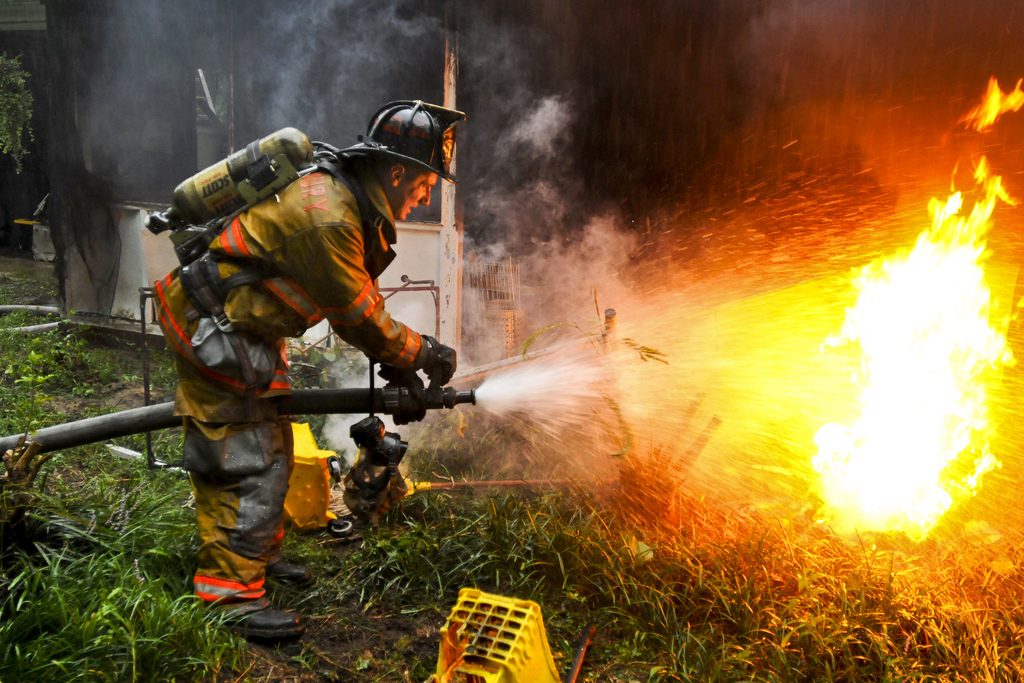
Picture this: you're chilling by the ocean, watching the waves crash, maybe a little campfire crackling nearby. Suddenly, a thought pops into your head, like a curious little sea creature. If that campfire got a bit out of hand, could you just grab a bucket of seawater and douse it? Or would the saltiness make it… weird? It’s a pretty cool question, isn’t it? Let’s dive in and explore the salty truth!
The Basics: How Does Water Fight Fire Anyway?
Before we get into the salt specifics, let’s remember the absolute superpower of regular water against fire. Fire needs three things to thrive, like a greedy little dragon: heat, fuel, and oxygen. We often call this the “fire triangle.”
When you throw water on a fire, it does a couple of brilliant things. First, it cools everything down. Water is fantastic at absorbing heat, lowering the temperature of the burning material below its ignition point. Think of it like giving the fire a really cold shower until it shivers itself out.
Must Read
Second, water turns into steam, which then displaces the oxygen around the flames. It essentially smothers the fire, robbing it of the very air it needs to breathe. So, in its purest form, water is a hero because it tackles two sides of that pesky fire triangle.
Enter the Ocean: What About the Salt?
Okay, so if plain water is such a champion, what happens when we throw some salt into the mix? Does it make it stronger, weaker, or just… taste better (please don't taste fire-fighting water)?

The quick and simple answer is: yes, saltwater absolutely can put out a fire. And often, it works pretty much in the same way as fresh water. It still cools the fuel and smothers the flames. In an emergency, if the ocean is your only readily available water source, you bet your boots you should use it! It's far, far better than doing nothing.
Is Saltwater Better Than Fresh Water?
This is where it gets a little more nuanced and, frankly, quite interesting! For most ordinary fires, like a campfire or burning wood, the presence of salt doesn't significantly improve water's firefighting capabilities. The main action is still the cooling and smothering effect of the H2O molecules themselves.

Some folks might wonder if the salt itself has some kind of magical fire-retardant property. While certain chemicals can inhibit fire, the common table salt (sodium chloride) found in seawater isn't really one of them in this context. When saltwater hits hot flames, the water evaporates, and the salt is left behind as a crystalline residue. This residue typically doesn't help further suppress the fire. In fact, some theories suggest that because saltwater has a slightly higher boiling point than fresh water, it might theoretically be marginally less efficient at absorbing heat and turning into steam quickly. But for practical purposes, this difference is usually negligible.
The Downsides: Where Saltwater Gets Salty
While saltwater is great in a pinch, it definitely has some significant drawbacks, especially when we're talking about professional firefighting or using it around certain types of fires.

- Corrosion, Corrosion, Corrosion! This is a big one. Salt is incredibly corrosive to metals. If firefighters use saltwater, it can wreak havoc on their pumps, hoses, trucks, and other vital equipment. Imagine trying to wash down your fancy car with saltwater every day – it wouldn't last long, right? The same goes for expensive firefighting gear.
- Electrical Fires: A Big No-No. Saltwater is a much better conductor of electricity than fresh water. This is because the dissolved salts create ions that can carry an electrical current. So, if you're dealing with an electrical fire (like a short circuit), using saltwater is an incredibly dangerous idea. You could electrocute yourself or others, making an already bad situation far worse. Always cut the power first, if possible, or use a specialized extinguisher.
- Mess and Damage. Even after the fire is out, the saltwater residue can cause damage to structures, furniture, and anything it touches. The salty crust can lead to long-term problems, making cleanup and restoration more difficult and costly than with fresh water.
So, What's the Verdict?
Can saltwater put out a fire? Absolutely, yes! If you're on a ship, fighting a fire at sea, or dealing with a beach bonfire that's gotten out of control, saltwater is a perfectly viable and often the only available option. Many marine fire departments and coast guard units are equipped to use saltwater, even if they have to deal with the subsequent maintenance issues.
However, is it the ideal choice in every situation? Definitely not. For land-based firefighting, especially in urban environments, fresh water is almost always preferred due to its non-corrosive nature and lower electrical conductivity.
It’s pretty neat how a simple question about salt leads us down a path of chemistry, practicality, and some important safety lessons, isn't it? So next time you're by the ocean, you can impress your friends with this tidbit: saltwater is a firefighter, but one with a few salty quirks! Stay curious, and stay safe!