
Can K 1 Losses Be Carried Forward

Ever feel like the tax code is a giant, confusing maze? You're not alone! It's full of twists, turns, and...K-1s.
Decoding the K-1 Mystery
So, what exactly is a K-1? Think of it as a report card for your investment in a partnership, S corporation, or LLC. It shows your share of the business's income, losses, and deductions.
And here's the big question: what happens when that K-1 shows a loss? Can you just sweep it under the rug? Nope! That's where the "carryforward" concept comes in.
Must Read
The Carryforward Conundrum: Losses Today, Savings Tomorrow?
Imagine you're running a lemonade stand with your friends. This year, you bought way too many lemons! You ended up losing money. Can you use that loss to offset profits next summer when your stand is a hit?
That, in a nutshell, is what a carryforward is all about. It's like a raincheck for tax savings! If you have a loss this year, you might be able to use it to reduce your taxes in future years. But, of course, there are rules!
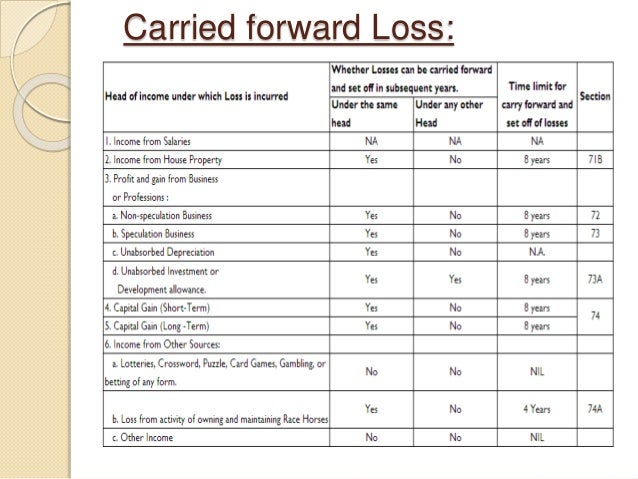
It's not like you can just carry the loss forward indefinitely! The IRS (Internal Revenue Service) has some guidelines, and they vary depending on the type of loss.
Passive Activity Losses: The "Special" Case
Now, let's talk about passive activity losses. These are the trickiest ones! A passive activity is generally a business you don't actively participate in. Think of it like owning rental property, but you have a property manager doing most of the work.
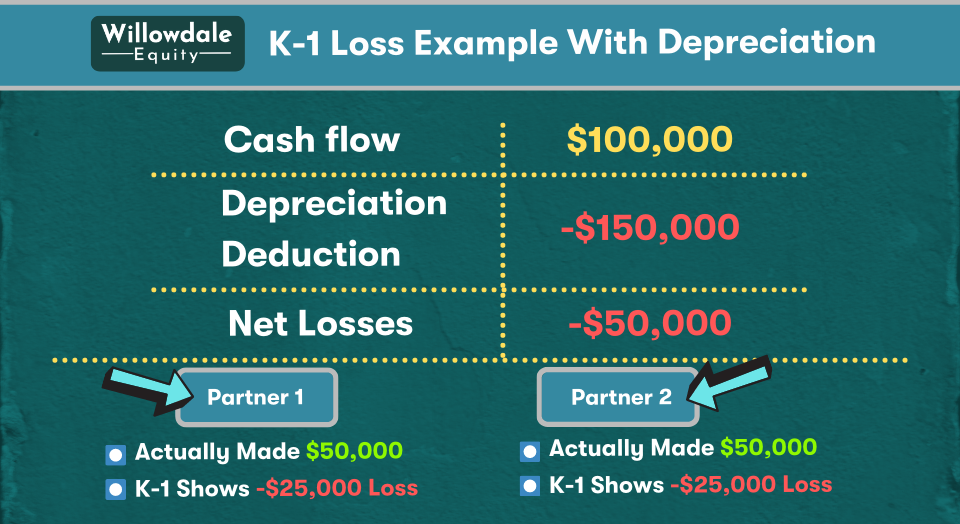
If your K-1 shows a loss from a passive activity, there are limitations on how much you can deduct each year. The IRS wants to make sure people can't just shelter all their income with passive losses.
So, what happens to the portion of the loss you can't deduct? Good news! You get to carry it forward. You can use it to offset income from that same passive activity in future years. Or, even better, when you sell your entire interest in the activity, you can generally deduct the entire accumulated loss!
The At-Risk Rules: Keeping Things Real
Even before we get to the passive activity rules, there's another hurdle to jump over: the at-risk rules. These rules limit your deductible losses to the amount you have "at risk" in the activity.
What does "at risk" mean? It's essentially the amount of money you could actually lose. It includes the cash you invested, the adjusted basis of property you contributed, and any recourse debt for which you are personally liable.
If your losses exceed your at-risk amount, you can't deduct the excess. However, just like passive activity losses, these losses can be carried forward to future years when you increase your at-risk amount.
Navigating the K-1 Labyrinth: Seek Expert Help
See? It's not totally straightforward. Understanding whether you can carry forward those K-1 losses, and how to do it correctly, is crucial for minimizing your tax liability. It can literally save you money!
Taxes are complex, and K-1s can add another layer of intricacy. This is where a tax professional really shines. They can help you navigate the rules and regulations.
A qualified CPA or tax advisor can assess your specific situation, determine if you have any carryforward losses, and ensure you're taking advantage of all available deductions. They can also help you with tax planning!

Don't Go It Alone!
Don't let those K-1s intimidate you! The possibility of carrying forward losses to offset future income is pretty cool. It is also beneficial, and it should motivate you to seek out information about it.
Remember, this article is just a general overview. Tax laws are constantly changing! So, do your research, stay informed, and don't be afraid to ask for help.
Understanding K-1 losses can feel like unlocking a secret level in a game. It's a challenge, but the rewards are well worth the effort. Good luck and happy tax planning!